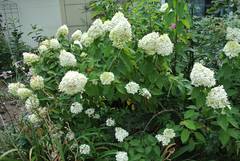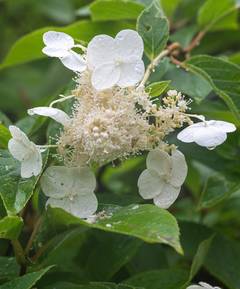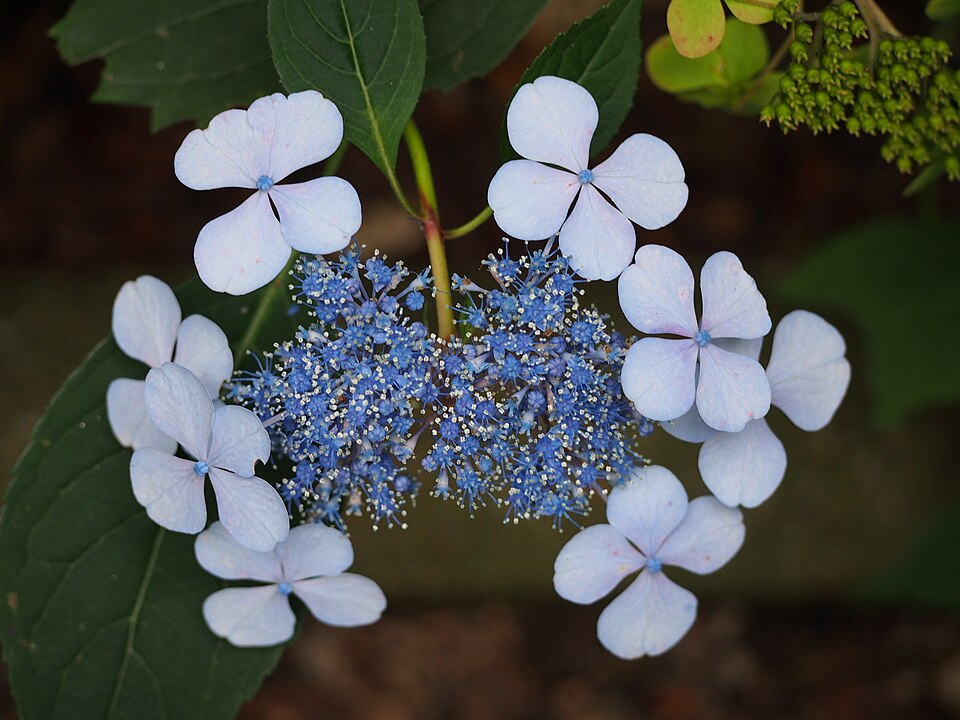
Hydrangea, Genus, serrata, Species, 'Blue Billow', Cultivar,
- Genus & species
- Cultivar
blue billow hydrangea
Species native to Japan and Korea (moist mountain woodlands)
Overview
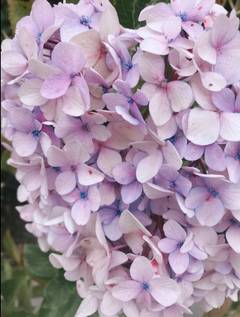
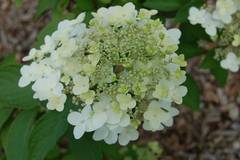
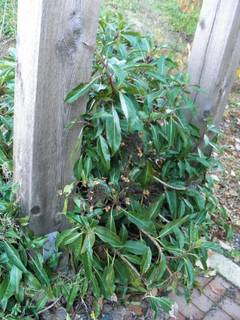
Hydrangea serrata 'Blue Billow' is a low, spreading, deciduous shrub reaching 3–4 feet (0.9–1.2 m) tall and 4–6 feet (1.2–1.8 m) wide, with a habit wider than tall and a layered, mounding branching pattern. Cold hardiness is rated to USDA zone 5, one zone colder than most H. serrata cultivars, which are generally rated to zone 6. The lacecap flower heads are 4–6 inches (10–15 cm) across, with rounded, slightly cupped sterile ray florets in blue in acidic soil and pink in alkaline soil surrounding a dense central cluster of small fertile florets. Dark green, narrowly ovate, serrated leaves are 3–5 inches (8–13 cm) long and turn burgundy-red in fall. Flower buds form on old wood. Growth rate is moderate. Hardy in USDA zones 5–9. The spreading habit requires wider spacing than upright cultivars, and the old-wood bloom habit is vulnerable to late spring frost damage.
Native Range
The species Hydrangea serrata is native to Japan and Korea, in moist mountain woodlands.Suggested Uses
Planted as a low mass planting or groundcover-scale shrub, on sloped sites, in partial-shade borders, woodland gardens, and containers of 5 gallons (19 L) or larger at 4–6 foot (1.2–1.8 m) spacing. The wider-than-tall habit fills slopes and front-of-border positions that upright cultivars would not cover. USDA zone 5 hardiness extends reliable bigleaf-type hydrangea flowering into colder climates where H. macrophylla is unreliable. Fall foliage turns burgundy-red. Late spring frost can reduce or eliminate the flower display for a season, and the cultivar is not suited to full sun, dry soils, formal hedging, or narrow planting spaces.How to Identify
Appearance
Size & Dimensions
Height3' - 4'
Width/Spread4' - 6'
Bloom Information
Produces lacecap flower heads 4–6 inches (10–15 cm) across from June through August, with rounded, slightly cupped sterile ray florets in blue (acidic) to pink (alkaline) surrounding dense fertile centers. Flower buds form on old wood. Bloom duration is 6–8 weeks.
Detailed Descriptions
Flower Description
Lacecap: rounded, slightly cupped sterile rays in blue (acid) to pink (alkaline) surrounding a dense fertile center; head 4–6 inches (10–15 cm) acrossFoliage Description
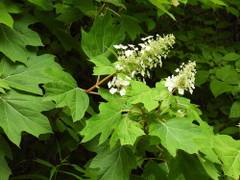
Dark green, narrowly ovate, serrated; 3–5 inches (8–13 cm) long; fall color burgundy-redGrowing Conditions
Sun Requirements
Requires 3-5 hours of direct sunlight daily
• Full Sun: 6+ hours of direct sunlight
• Partial Shade: 3-6 hours of direct sunlight
• Full Shade: Less than 3 hours of direct sunlight
Care & Maintenance
Care Guide
Plant in partial shade in moist, humus-rich, well-drained loam at pH 5.0–7.0. Hardy in USDA zones 5–9, one zone colder than most H. serrata cultivars. The spreading horizontal habit requires 4–6 feet (1.2–1.8 m) of lateral room, more than upright lacecap cultivars of similar height. Soil pH controls ray color: aluminum sulfate or sulfur applied in fall and spring shifts rays toward blue, and garden lime shifts them toward pink. Flower buds form on old wood, so a sheltered position away from morning sun and exposed frost pockets protects overwintered stems. Consistent moisture through the growing season supports bloom quality.Pruning
Prune immediately after flowering in August by cutting spent heads back to the next pair of healthy buds, and remove dead or winter-damaged wood in early spring. The spreading branching structure should be preserved during pruning rather than reshaped into an upright form; hard cutbacks disrupt the habit and remove flower buds for the following year.Pruning Schedule
Prune: August
summer
Container Growing
Suitable for container growing
Minimum container size: 5 gallons