Hydrangea, Genus, quercifolia, Species, 'Snow Queen', Cultivar,
- Genus & species
- Cultivar
snow queen oakleaf hydrangea
Southeastern United States; selected U.S. National Arboretum
Overview
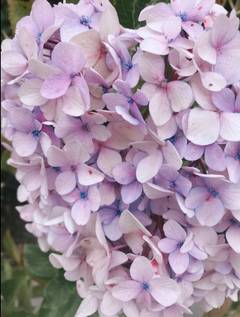
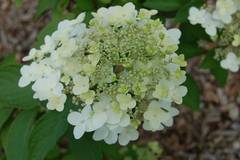
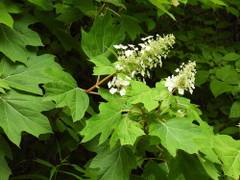
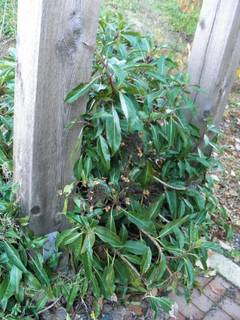
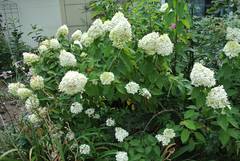
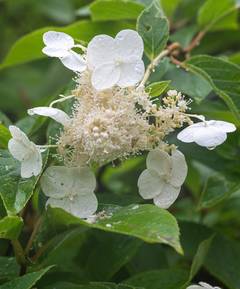
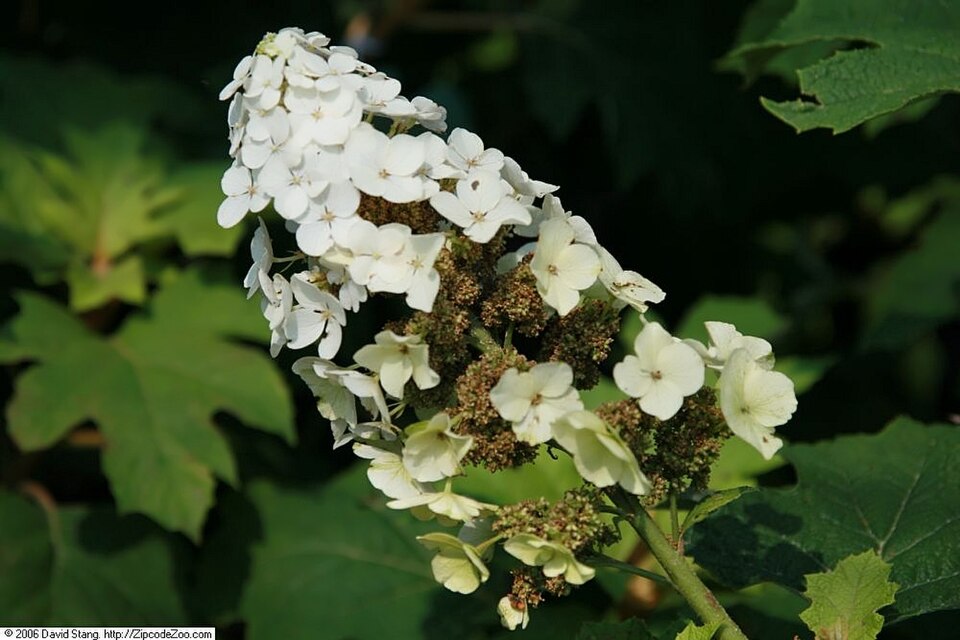
Hydrangea quercifolia 'Snow Queen' is an upright, multi-stemmed, deciduous shrub reaching 5–7 feet (1.5–2.1 m) tall with a spread of 5–7 feet (1.5–2.1 m). This cultivar produces the largest and most densely packed flower panicles among oakleaf hydrangeas—upright conical panicles 8–12 inches (20–30 cm) long with closely spaced sterile florets that create a full, dense display. The panicles are held upright (unlike some cultivars whose large heads cause stems to arch). Flowers open pure white and age to pink, then tan. The large, deeply lobed, oak-shaped leaves are 6–10 inches (15–25 cm) long with 5–7 lobes, turning deep burgundy-red to mahogany in fall—the richest and most consistent fall color among oakleaf hydrangea cultivars. Older stems have cinnamon-brown exfoliating bark. Flower color is not pH-dependent. Blooms on old wood. Growth rate is moderate. Hardy to zone 5.
Native Range
Hydrangea quercifolia is native to the southeastern United States, from Georgia and Florida to Louisiana, in moist woodland ravines and bluffs. 'Snow Queen' was selected by the U.S. National Arboretum.Suggested Uses
Planted as a specimen, in borders, woodland edges, or foundation plantings at 5–7 foot (1.5–2.1 m) spacing. Three-season interest: large white panicles (summer), deep burgundy-red foliage (fall), exfoliating cinnamon bark (winter). Native to the southeastern U.S. The full size requires adequate space—use 'Pee Wee' for smaller sites. Leaf scorch in full sun in hot-summer climates. Not suitable for waterlogged soils or exposed windy sites.How to Identify
Appearance
Size & Dimensions
Height5' - 7'
Width/Spread5' - 7'
Bloom Information
Upright conical panicles 8–12 inches (20–30 cm) long, densely packed sterile white florets aging to pink then tan, from June through July. Panicles held upright on sturdy stems. Flower color is not pH-dependent. Blooms on old wood. Bloom duration is 4–6 weeks. Dried panicles persist into winter.
Detailed Descriptions
Flower Description
Upright conical panicles opening white aging pink then tan; densely packed florets; 8-12 inches long; not pH-dependentFoliage Description
Dark green, deeply lobed oak-shaped 5-7 lobes, 6-10 inches; fall: deep burgundy-red to mahoganyGrowing Conditions
Sun Requirements
Requires 3-8 hours of direct sunlight daily
• Full Sun: 6+ hours of direct sunlight
• Partial Shade: 3-6 hours of direct sunlight
• Full Shade: Less than 3 hours of direct sunlight
Care & Maintenance
Care Guide
Plant in partial shade to full sun in moist, well-drained, acidic to neutral soil (pH 5.0–7.0). Hardy to zone 5. More drought-tolerant than H. macrophylla once established. Tolerates more sun than macrophylla cultivars—full sun improves flower density and fall color intensity. Flower color is not pH-dependent. Blooms on old wood—avoid hard pruning.Pruning
Prune after flowering (July–August) as blooms form on old wood. Remove spent panicles and dead wood. Suckers may form at the base—remove to maintain form or allow for naturalization. Avoid hard pruning—this removes next year's flower buds.Pruning Schedule
Prune: August
summer