Hosta, Genus, 'Bressingham Blue', Cultivar,
- Genus
- Cultivar
hosta Bressingham Blue
East Asia (parent genus); horticultural cultivar from England
Overview
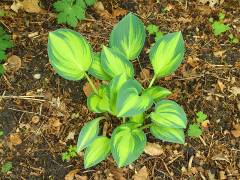
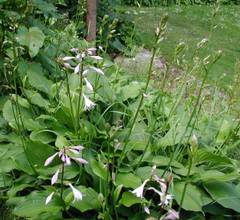
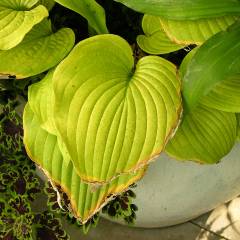
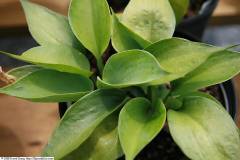
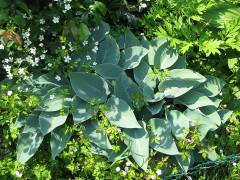
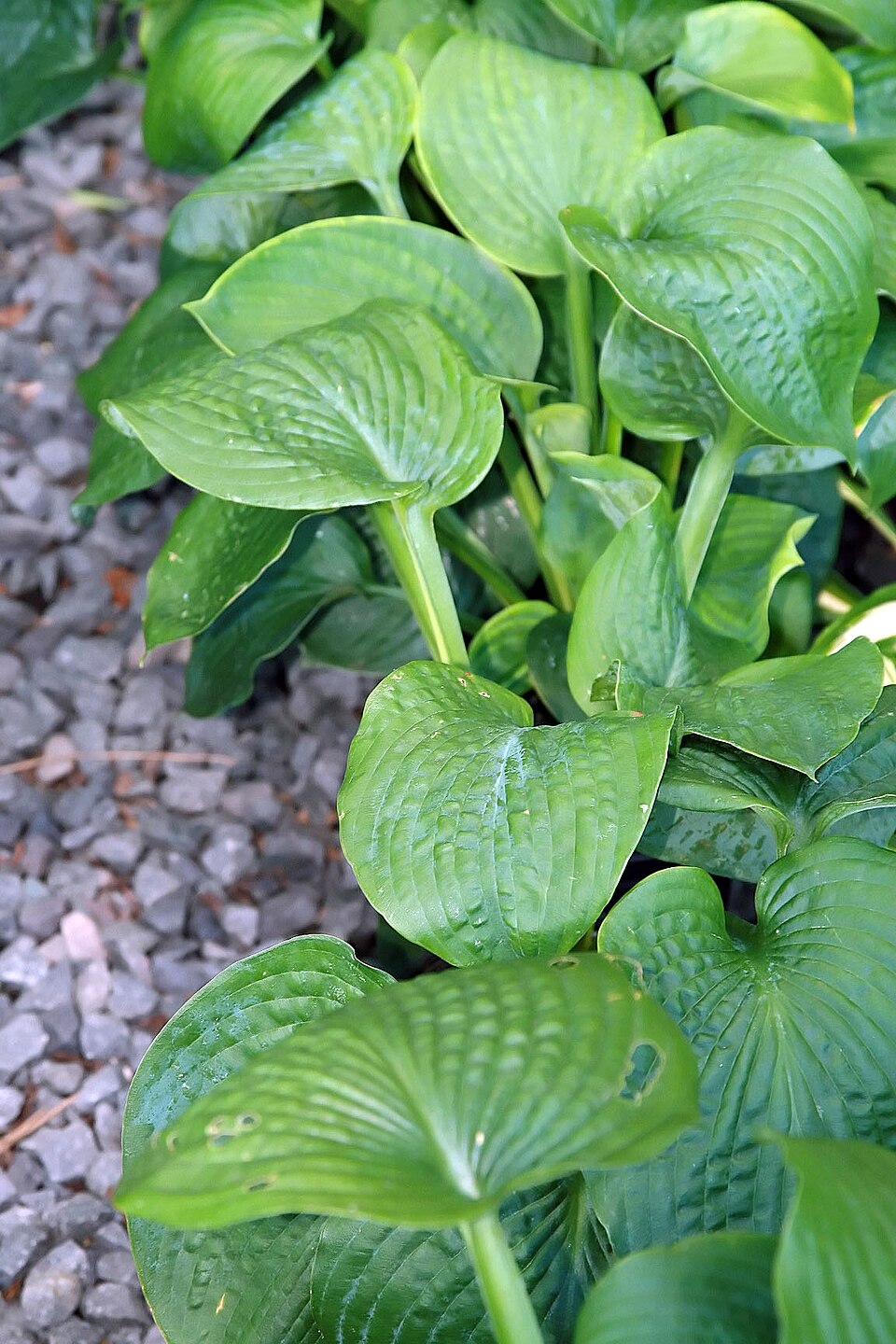
Hosta 'Bressingham Blue' is a clump-forming herbaceous perennial reaching 22-28 inches (55-70 cm) tall and 36-48 inches (90-120 cm) wide at maturity. Leaves cordate to ovate, 9-13 inches (23-33 cm) long and 7-10 inches (18-25 cm) wide, with a thick waxy bloom that gives a powder-blue to glaucous blue-green colour; the bloom rubs off where leaves touch each other or are handled, exposing the underlying mid-green leaf surface. Leaves heavily corrugated with sunken veins forming a quilted texture. White bell-shaped flowers 1.5-2 inches (4-5 cm) long appear on scapes 24-34 inches (60-86 cm) tall in early to midsummer; 8-18 buds per scape open in succession over 14-21 days. Foliage dies back to the crown after the first hard frost. Blue colour fades to dull green by late summer in zones 7 and warmer, with the wax bloom worn off by rain and handling; cooler zones (3-6) retain the blue colour longer into the season. Slug and snail damage on emerging spring leaves; thick leaf substance reduces feeding once leaves harden by midsummer.
Native Range
The parent genus Hosta is native to Japan, Korea, and eastern China, where wild species occupy moist deciduous woodlands and rocky slopes from sea level to 7,500 feet (2,300 m). 'Bressingham Blue' was selected at Blooms of Bressingham in Norfolk, England in the late 20th century.Suggested Uses
Used in shade gardens, woodland borders, and along the north or east side of buildings at 36-48 inch (90-120 cm) spacing between mature plants. Grown in containers of at least 7 gallons (26 L) with adequate drainage; container culture allows mobile placement to maintain shade through the day and preserves blue leaf colour through summer in zones 8 and warmer where ground plantings tend to fade by August. Planted as a single specimen or in small groups of 3 where mature spread can be accommodated.How to Identify
Appearance
Size & Dimensions
Height1'10" - 2'4"
Width/Spread3' - 4'
Bloom Information
Early to midsummer, typically late June through July in zones 4-7 and mid-June through early July in zones 8-9. Individual flowers last 2-3 days; scape bloom extends 14-21 days as successive buds open. Cool overcast conditions extend individual flower life by 12-24 hours.
Detailed Descriptions
Foliage Description
Powder-blue to glaucous blue-greenGrowing Conditions
Sun Requirements
Tolerates up to 3 hours of direct sunlight daily
• Full Sun: 6+ hours of direct sunlight
• Partial Shade: 3-6 hours of direct sunlight
• Full Shade: Less than 3 hours of direct sunlight
Care & Maintenance
Care Guide
Position in full shade to part shade with no more than 2-3 hours of direct morning sun; afternoon sun and full sun above 75F (24C) burn the wax bloom from leaves and accelerate colour fade. Maintain soil moisture at 1 inch (2.5 cm) per week from emergence through autumn; established plants tolerate 7-10 days without rain but leaf size decreases by 20-30% in sustained drought. Slugs and snails feed on emerging spring leaves; iron phosphate baits and dry mulch barriers reduce populations. Vine weevil larvae feed on roots in container culture, causing wilting in late summer and grub-damaged crowns. All parts contain saponins that cause vomiting and diarrhea in cats, dogs, and horses on ingestion. Divide clumps every 6-8 years in early spring as buds emerge; this cultivar is slow to recover from division and may take 2 years to return to full size.Pruning
Cut spent flower scapes to the base after final flowers fade. Remove yellowing or damaged leaves at any time during the growing season. Cut remaining foliage to ground level after the first hard frost, or leave standing through winter; both approaches produce equivalent spring regrowth.Pruning Schedule
Prune: October–November
fall
Container Growing
Suitable for container growing
Minimum container size: 7 gallons