Hosta, Genus, spp., Multiple species,
- Genus
- Multiple species
hosta verdant medley collection
Cultivars derived from East Asian (Japan, Korea, China, Russian Far East) species
Overview
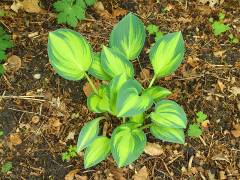
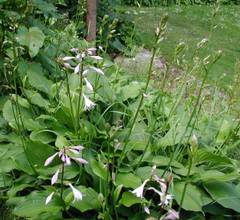
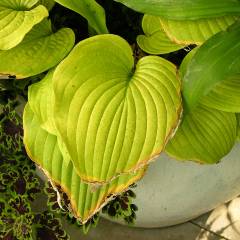
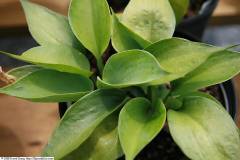
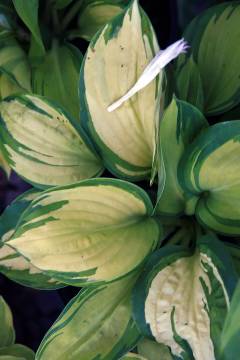
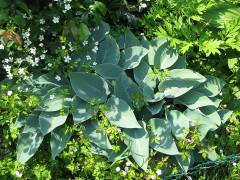
Hosta spp. Verdant Medley Collection is a curated mix of multiple green-foliaged Hosta cultivars supplied as a planting set, with individual plants ranging from 12-30 inches (30-75 cm) tall and 18-48 inches (45-120 cm) wide depending on cultivar. Foliage is the principal landscape feature; leaves vary from narrowly lance-shaped to broadly heart-shaped, 4-12 inches (10-30 cm) long, in shades of medium to dark green with smooth, ribbed, or puckered surfaces. Cultivars commonly included in green-foliage mixes are H. 'Royal Standard', H. plantaginea types, and species selections of H. fortunei or H. sieboldiana. Flower scapes 18-48 inches (45-120 cm) tall arise in mid-to-late summer bearing white or lavender funnel-shaped flowers approximately 1.5-3 inches (4-8 cm) long. Plants reach mature size in 3-5 years from division. Slug and snail damage causes ragged holes in spring foliage, particularly during cool wet weather. Voles can chew crowns under heavy mulch in winter. Cultivar composition of the collection varies by supplier and season; mixes typically contain 3-6 different selections.
Native Range
Hosta species are native to Japan, Korea, eastern China, and the Russian Far East, occurring in moist woodland edges, stream banks, and rocky slopes at 200-2,500 feet (60-760 m) elevation. Cultivars in this collection are horticultural selections derived from those Asian species; none originate in North America.Suggested Uses
Used as massed groundcover in shade and woodland gardens, as edging along shaded paths, and in mixed shade borders at 24-36 inch (60-90 cm) spacing depending on cultivar mature size. Cultivar diversity in the collection produces variation across foliage textures and sizes within a single planting. Containers of 5-10 gallons (19-38 L) accommodate single cultivars; mixed collections need separate containers for each plant to avoid crowding.How to Identify
Appearance
Size & Dimensions
Height1' - 2'6"
Width/Spread1'6" - 4'
Bloom Information
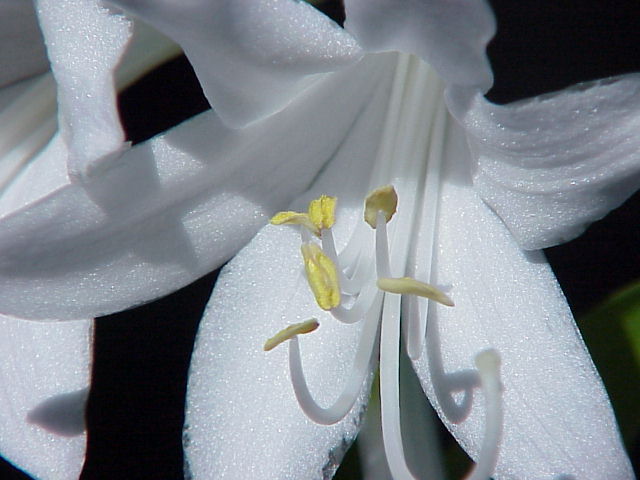
Bloom period across the collection spans late June through early September depending on cultivar, with most plants flowering in July-August in zones 4-7. Individual plants bloom for 2-3 weeks; staggered bloom across cultivars extends total flower presence in the planting to 6-8 weeks. H. plantaginea-derived selections produce evening-fragrant white flowers in late August-September.
Detailed Descriptions
Flower Description
white to lavenderFoliage Description
medium to dark greenGrowing Conditions
Sun Requirements
Requires 2-4 hours of direct sunlight daily
• Full Sun: 6+ hours of direct sunlight
• Partial Shade: 3-6 hours of direct sunlight
• Full Shade: Less than 3 hours of direct sunlight
Care & Maintenance
Care Guide
Water deeply once weekly during the first growing season in the absence of rain. Established plants tolerate brief dry periods, but leaves wilt and brown along edges in prolonged drought. Slugs and snails chew ragged holes in leaves during cool, damp spring weather; iron phosphate baits reduce damage. Voles occasionally chew crowns and roots in winter under heavy mulch. Cultivars in zones 7-9 require afternoon shade; full sun in those zones causes leaf scorch and faded color. Divide individual cultivars every 4-5 years in early spring to maintain vigor.Pruning
Cut foliage to ground level in late autumn after the first hard frost has caused leaves to collapse, or in early spring before new shoots emerge. Flower scapes are commonly removed at the base after bloom in plantings grown for foliage. Yellowing or damaged leaves can be trimmed individually during the growing season without harm to the plant.Pruning Schedule
Prune: March & November
fallearly spring
Container Growing
Suitable for container growing
Minimum container size: 5 gallons