Image 1 of 20
1 / 20
Plant Reference
Hosta, Genus, hybrids, Species,
- Genus & species
hosta
Hybrid of garden origin; parent species from Japan, China, Korea
Overview
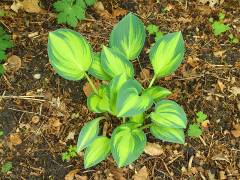
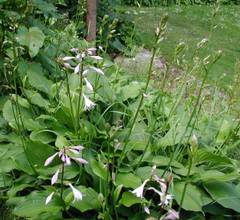
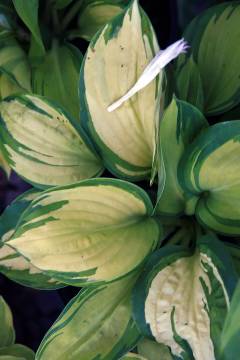
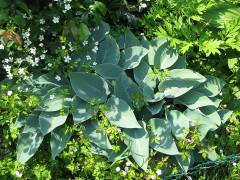
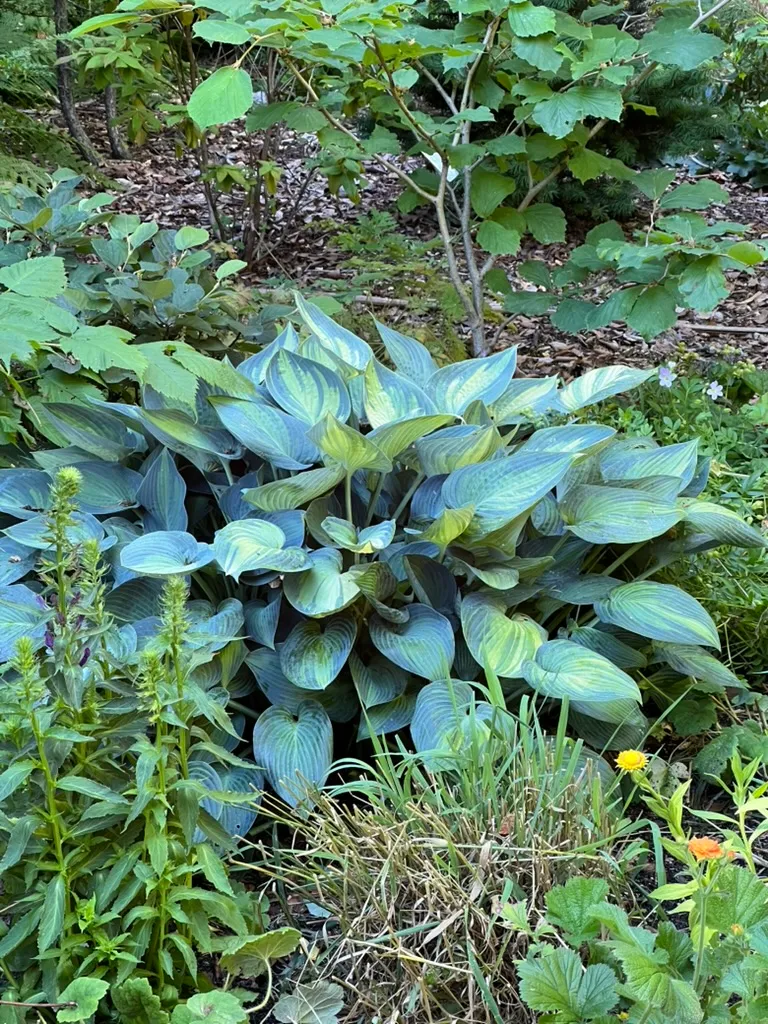
Hosta hybrids are hostas (plantain lilies), deciduous perennials growing 6-36 inches (15-90 cm) tall and 6-48 inches (15-120 cm) wide depending on cultivar. Foliage in blue-green, green, gold, chartreuse, or variegated patterns — ovate to lance-shaped leaves 2-18 inches (5-45 cm) with smooth to heavily corrugated (seersucker) texture. Tubular to bell-shaped flowers in white, pale lavender, or purple on tall scapes above the foliage in summer (June-August). H. plantaginea and its hybrids produce fragrant white flowers. In the family Asparagaceae (formerly Liliaceae). The genus Hosta contains approximately 40 species, all from eastern Asia (Japan, China, Korea). Over 6,000 named cultivars — the most cultivar-rich perennial genus. Size ranges from miniatures under 6 inches (15 cm) to giants over 36 inches (90 cm) tall. Slug and snail damage is the primary pest concern — the soft foliage is readily consumed. Not deer-resistant: deer browse hostas to the ground. Hummingbird-visited (the tubular flowers). All Hosta species and cultivars are toxic to dogs and cats (saponins — GI irritant). Safe for humans. Consistent moisture in shade. Deciduous — dies to the ground after frost. Partial shade to full shade. Zones 3-9. This entry represents the hybrid group. Growth rate is moderate.
Native Range
Hybrid of garden origin. The genus Hosta (approximately 40 species) is native to Japan, China, and Korea.Suggested Uses
Commonly planted in shade borders, woodland gardens, and containers of at least 5 gallons (19 L) in zones 3-9. Over 6,000 cultivars in all sizes. Slug management required. Not deer-resistant. Toxic to dogs and cats. This entry represents the hybrid group.How to Identify
Appearance
Size & Dimensions
Height6" - 3'
Width/Spread6" - 4'
Colors
Bloom Information
Summer (June-August), lasting 2-3 weeks. Tubular to bell-shaped white, lavender, or purple flowers on tall scapes. H. plantaginea hybrids are fragrant. Hummingbird-visited. The foliage is the primary feature.
Detailed Descriptions
Flower Description
White, pale lavender, or purple; tubular to bell-shaped, 1-2 inches (2.5-5 cm), on tall scapes above the foliageFoliage Description
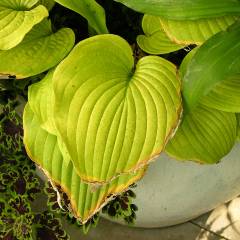
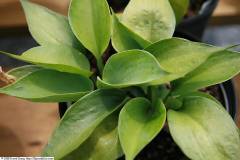
Blue-green, green, gold, chartreuse, or variegated with white, cream, or yellow margins or centers; ovate to lance-shaped, 2-18 inches (5-45 cm) depending on cultivar; smooth to heavily corrugated (seersucker) textureGrowing Conditions
Sun Requirements
Requires 2-4 hours of direct sunlight daily
• Full Sun: 6+ hours of direct sunlight
• Partial Shade: 3-6 hours of direct sunlight
• Full Shade: Less than 3 hours of direct sunlight
Care & Maintenance
Care Guide
Partial shade to full shade. Consistent moisture. Slug and snail damage — the primary pest. Not deer-resistant (deer browse to the ground). All Hosta toxic to dogs and cats (saponins). Blue-leaved cultivars hold color in shade; gold cultivars brighten in morning sun. Deciduous. Zones 3-9. This entry represents the hybrid group.Pruning
Remove spent flower scapes at ground level. Cut all foliage to the ground after frost collapses it (October) or in early spring (March) before new shoots emerge. Divide congested clumps in spring every 3-5 years.Pruning Schedule
Prune: March & October
fallearly spring
Container Growing
Suitable for container growing
Minimum container size: 5 gallons