Image 1 of 9
1 / 9
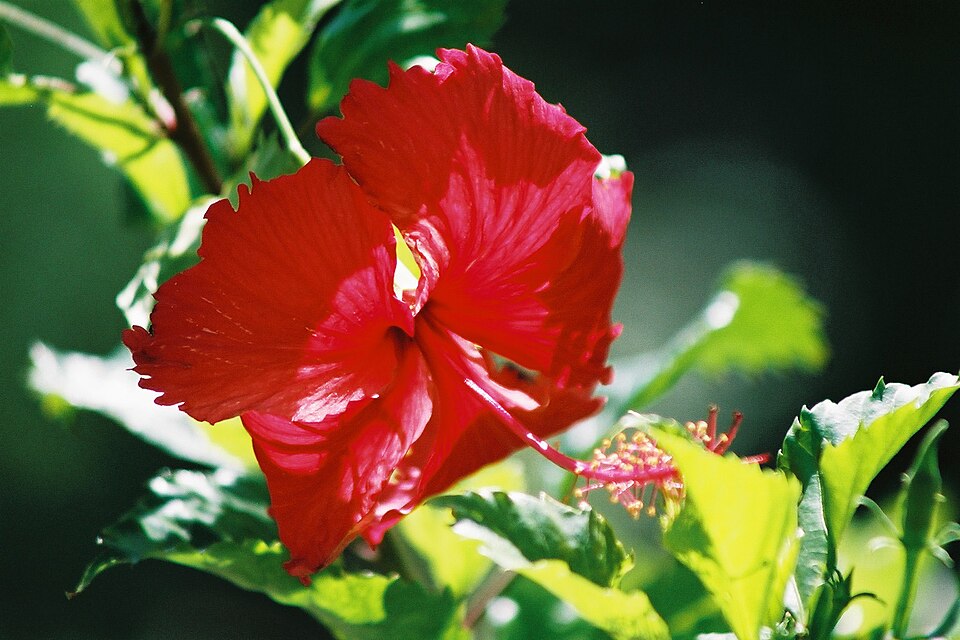
© Hyougushi / Hideyuki KAMON from Takarazuka, Hyogo, JAPAN, some rights reserved (CC-BY-SA) · Wikimedia Commons
Hibiscus, Genus, ×, Hybrid, archeri, Species,
- Genus & species
- Hybrid
red hibiscus
Hybrid of garden origin (tropical parents)
Overview
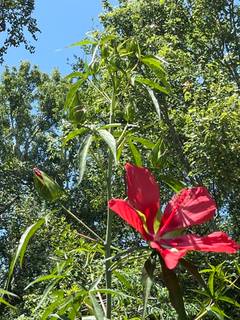
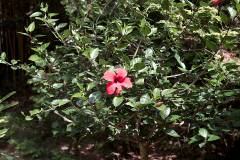
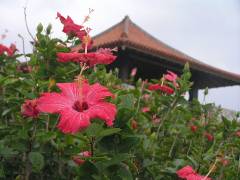
Hibiscus × archeri is an evergreen tropical shrub of hybrid origin between H. rosa-sinensis and H. schizopetalus, grown for its red flowers. It reaches 6–10 feet (1.8–3 m) tall and 5–8 feet (1.5–2.4 m) wide with an upright, branching form and glossy, dark green leaves 3–5 inches (8–13 cm) long with toothed margins. From late spring through fall, and year-round in frost-free climates, it bears funnel-shaped red flowers 3–5 inches (8–13 cm) across with a long central staminal column, each flower lasting one to two days. The petals are less deeply cut than those of H. schizopetalus, but the blooms hang on slender stalks inherited from that parent. It grows in full sun to light shade in moist, fertile, well-drained soil and flowers most freely in warmth. The plant is frost-tender, damaged below about 30°F (-1°C) and killed by hard freezes, so it is grown outdoors only in USDA zones 9 to 11 and as a container or greenhouse plant elsewhere. Aphids, whiteflies, and spider mites are common pests under glass and in dry air.
Native Range
Hibiscus × archeri is a hybrid raised in cultivation and does not occur in the wild. Its parents are tropical: H. rosa-sinensis of uncertain Asian origin and H. schizopetalus of coastal East Africa.Suggested Uses
Used as a flowering specimen, informal hedge, or container plant on patios in warm climates, spaced 4–6 feet (1.2–1.8 m) apart for hedging. Grown under glass or as a houseplant in cool regions. The flowers draw hummingbirds and butterflies but last only a day or two each.How to Identify
Appearance
Size & Dimensions
Height6' - 10'
Width/Spread5' - 8'
Bloom Information
Detailed Descriptions
Foliage Description
glossy dark greenGrowing Conditions
Sun Requirements
Requires 6-10 hours of direct sunlight daily
• Full Sun: 6+ hours of direct sunlight
• Partial Shade: 3-6 hours of direct sunlight
• Full Shade: Less than 3 hours of direct sunlight
Care & Maintenance
Care Guide
Position in full sun to light shade in moist, fertile, well-drained soil with a pH of 6.0 to 6.8. Regular watering keeps the soil evenly moist during active growth, while waterlogged roots cause yellowing and bud drop. Feeding every few weeks in the growing season with a balanced fertilizer supports continuous flowering in containers. Temperatures below about 30°F (-1°C) damage the foliage, so plants are moved indoors or under glass where frost occurs. Aphids, whiteflies, and spider mites are managed by rinsing the foliage and using insecticidal soap. Indoors, bright light and humidity reduce bud drop.Pruning
Pruning in late winter or early spring, before new growth, shapes the shrub and removes weak or crossing stems. Cutting stems back by up to one-third encourages branching and more flowering wood, since blooms form on new growth. Light tip-pinching during the season keeps plants compact.Pruning Schedule
Prune: February–March
early spring
Container Growing
Suitable for container growing
Minimum container size: 5 gallons