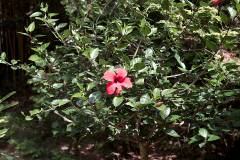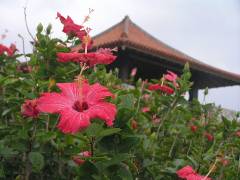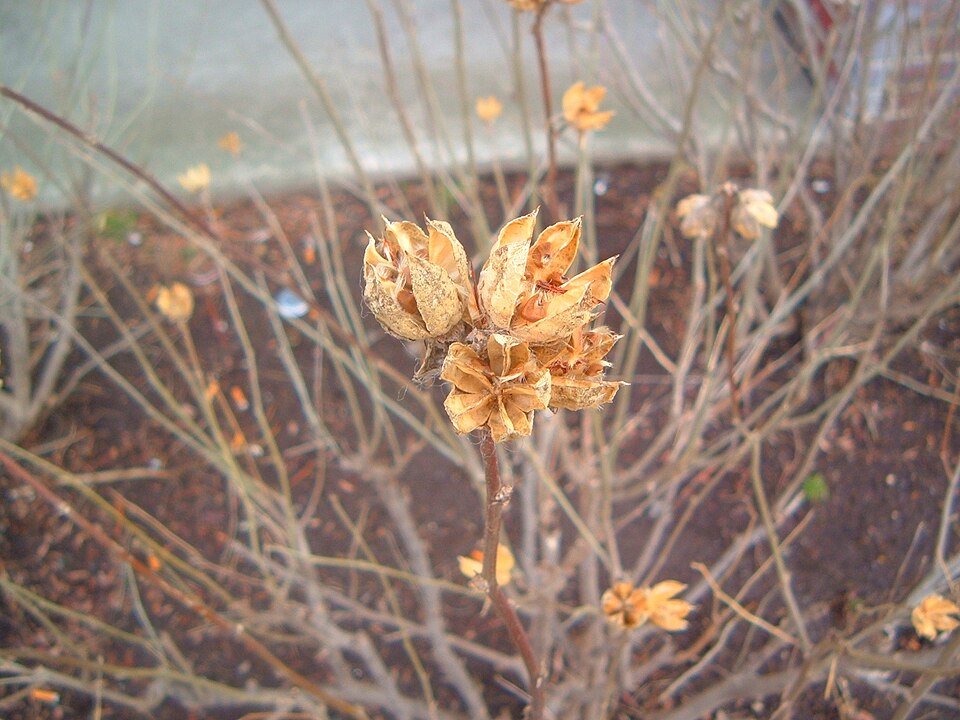
Hibiscus, Genus, syriacus, Species, 'Woodbridge', Cultivar,
- Genus & species
- Cultivar
pink rose of sharon
South-central and eastern Asia (India, China, Korea)
Overview
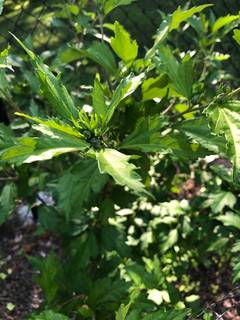
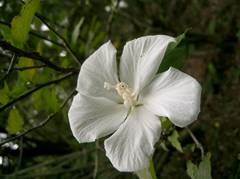
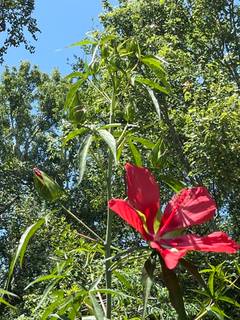
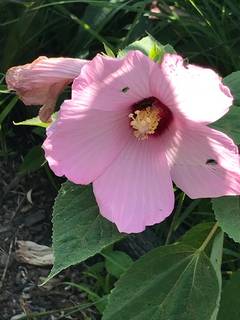
Hibiscus syriacus 'Woodbridge' is an upright deciduous shrub reaching 8-12 feet (2.4-3.7 m) tall and 6-10 feet (1.8-3 m) wide at maturity, with a vase-shaped habit broadening with age. Leaves alternate, three-lobed, 2-4 inches (5-10 cm) long, medium green, emerging in late spring after most other deciduous shrubs have leafed out. Flowers single, deep rose-pink with a dark red-magenta central eye and reddish veining on petals, 3-4 inches (7.5-10 cm) across, opening from midsummer through early fall. Each flower lasts a single day; new buds open daily over a 10-12 week bloom period from July through September. Self-seeds at moderate rates in southern climates, producing volunteer seedlings with variable flower color. Growth rate moderate, adding 12-24 inches (30-60 cm) per year. Cold hardy to USDA zone 5b (-15°F / -26°C); top dieback may occur in zone 5 winters and the plant rebounds from the base. Late spring frost can damage emerging foliage, delaying bloom by 2-3 weeks. Cultivated since 1937 and granted the Royal Horticultural Society Award of Garden Merit.
Native Range
Hibiscus syriacus is native to south-central and eastern Asia, including India, China, and Korea, growing in mixed scrub and forest edges at low to mid elevations. The species has been cultivated since at least the 16th century in Europe and is naturalized in parts of the southeastern United States. The 'Woodbridge' cultivar was raised in the United Kingdom and introduced in 1937.Suggested Uses
Used in mixed shrub borders, as a specimen, and in foundation plantings at 5-7 foot (1.5-2.1 m) spacing. Planted as an informal hedge on 5-foot (1.5 m) centers for a continuous bloom display from midsummer through fall. Suitable for containers of at least 20 gallons (76 L) with adequate drainage; container plants reach approximately 60% of in-ground mature size.How to Identify
Appearance
Size & Dimensions
Height8' - 12'
Width/Spread6' - 10'
Bloom Information
July through September in zones 5-9, with peak bloom in August in zones 6-8. Flowers open early in the morning and close by evening, with each flower lasting a single day. New flowers continue opening daily for 10-12 weeks. Blooms set on current-season wood, so bloom timing is unaffected by winter dieback.
Detailed Descriptions
Flower Description
deep rose-pink with dark red eyeFoliage Description
medium greenGrowing Conditions
Sun Requirements
Requires 6-8 hours of direct sunlight daily
• Full Sun: 6+ hours of direct sunlight
• Partial Shade: 3-6 hours of direct sunlight
• Full Shade: Less than 3 hours of direct sunlight
Care & Maintenance
Care Guide
Water deeply weekly during the first growing season, applying 1 inch (2.5 cm) per week in the absence of rain. Established plants tolerate moderate drought but flower production decreases during prolonged hot, dry periods. Fertilize once in early spring with a balanced fertilizer at the rate listed on the label. Aphids cluster on flower buds and new growth in early summer; lacewing larvae and ladybugs typically suppress populations. Japanese beetles feed on leaves and flowers in July in eastern regions. Plants live 20-40 years in suitable sites.Pruning
Prune in late winter or very early spring before bud break. Cut back the previous year's growth by one-third to one-half to encourage branching and larger flowers. Remove dead or crossing branches at the base. Hard rejuvenation pruning to 12-18 inches (30-45 cm) above the soil line is tolerated and produces a flush of vigorous new shoots, with bloom returning the same season.Pruning Schedule
Prune: February–March
winterearly spring
Container Growing
Suitable for container growing
Minimum container size: 20 gallons