Image 1 of 17
1 / 17
Plant Reference
Hibiscus, Genus, syriacus, Species,
- Genus & species
rose of sharon
China and India; widely naturalized in Korea (national flower of South Korea) and Japan; despite the species name syriacus (Syrian), the species is not native to Syria
Overview
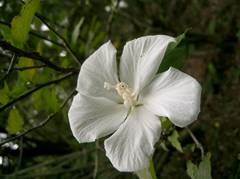
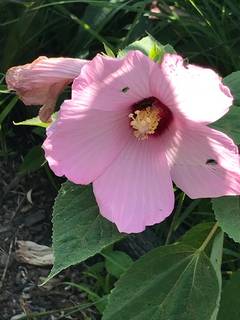
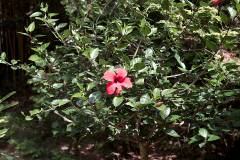
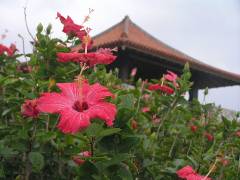
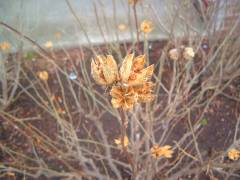
Hibiscus syriacus is Rose of Sharon (shrub althea), an upright deciduous shrub growing 8-12 feet (2.4-3.6 m) tall and 4-6 feet (1.2-1.8 m) wide. Five-petaled flowers 2.5-4 inches (6-10 cm) with a prominent central staminal column in white, pink, red, purple, or lavender (cultivar-dependent) — typically with a contrasting basal blotch. Blooms continuously July through September on new (current season's) wood. Three-lobed coarsely toothed leaves 2-4 inches (5-10 cm). Late to emerge in spring (May). In Malvaceae (the mallow family). Native to China and India. Single-flowered seeded cultivars self-sow prolifically — this self-seeding is the primary limitation. Sterile or near-sterile cultivars: 'Diana' (white, single, sterile), 'Minerva' (lavender), Satin series. Late to leaf out in spring — appears dead when surrounding plants have already leafed out. Japanese beetles feed on foliage and flowers. Tolerates a wide range of soils including clay. Drought-tolerant once established. Deer-resistant. Non-toxic. Zones 5-9. Full sun to partial shade. Growth rate is moderate.
Native Range
Native to China and India. Widely naturalized in Korea (national flower of South Korea) and Japan. The species name syriacus is a misnomer — not native to Syria.Suggested Uses
Grown as a specimen shrub, formal hedge, small single-trunk tree, and in containers of at least 15 gallons (57 L), spaced 4-6 feet (1.2-1.8 m). Continuous late summer bloom. Choose sterile cultivars to prevent self-seeding. Deer-resistant. Non-toxic. Zones 5-9.How to Identify
Appearance
Size & Dimensions
Height8' - 12'
Width/Spread4' - 6'
Bloom Information
Mid to late summer (July-September). Five-petaled flowers 2.5-4 inches (6-10 cm) in white, pink, red, purple, or lavender with contrasting basal blotch and prominent staminal column. 10 weeks of continuous bloom on new wood. Bee-, butterfly-, and hummingbird-visited.
Detailed Descriptions
Flower Description
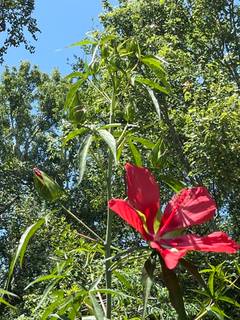
Variable by cultivar — white, pink, red, purple, lavender, or bicolor; 5-petaled, 2.5-4 inches (6-10 cm) diameter with a prominent central staminal column; typically with a contrasting basal blotchFoliage Description
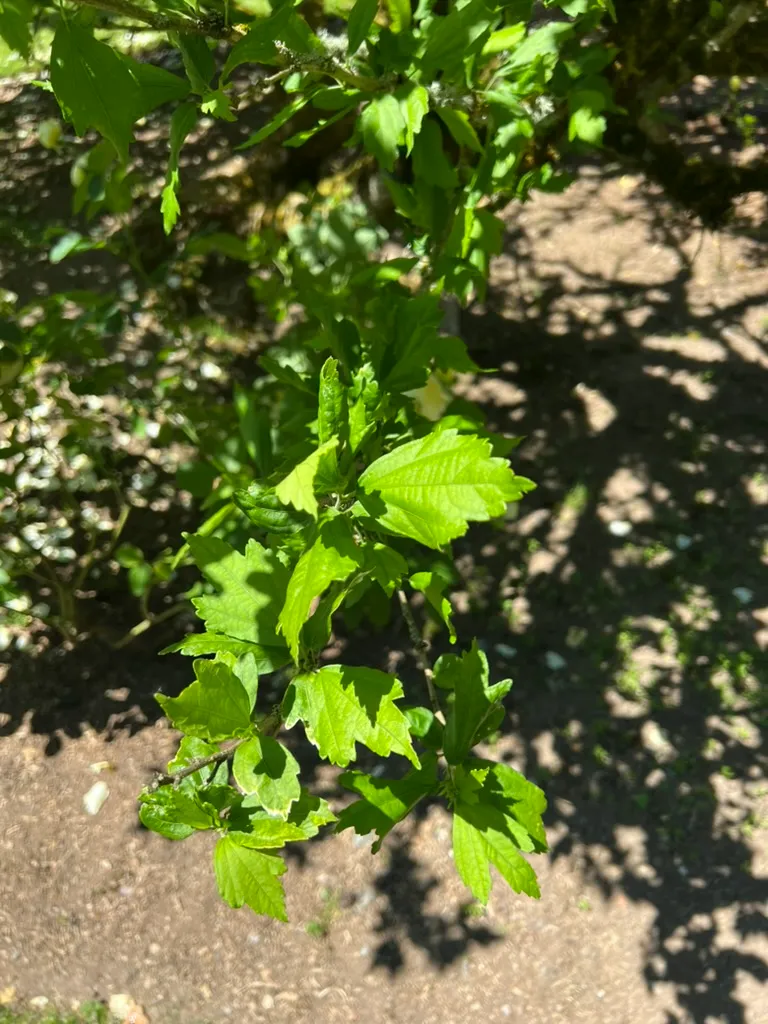
Medium to dark green, alternate, three-lobed, coarsely toothed, 2-4 inches (5-10 cm); late to emerge in spring (May); fall color absent or unremarkableGrowing Conditions
Sun Requirements
Requires 5-12 hours of direct sunlight daily
• Full Sun: 6+ hours of direct sunlight
• Partial Shade: 3-6 hours of direct sunlight
• Full Shade: Less than 3 hours of direct sunlight
Care & Maintenance
Care Guide
Full sun to partial shade (5-12 hours). Any well-drained soil pH 5.5-7.5 — tolerates clay and drought. Choose sterile cultivars to prevent self-seeding. Japanese beetles in zones 5-7. Blooms on new wood — prune in late winter (February-March). Late to leaf out (May). Deer-resistant. Non-toxic. Zones 5-9.Pruning
Prune in late winter (February-March) — blooms on current season's new wood. Can be pruned hard (to 2-3 feet / 60-90 cm) annually for larger flowers on compact plants, or lightly for a taller shrub. Can be trained as a small single-trunk tree by removing lower branches.Pruning Schedule
Prune: February–March
early spring
Container Growing
Suitable for container growing
Minimum container size: 15 gallons