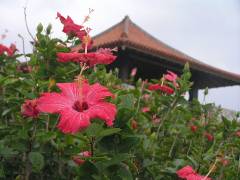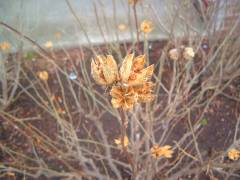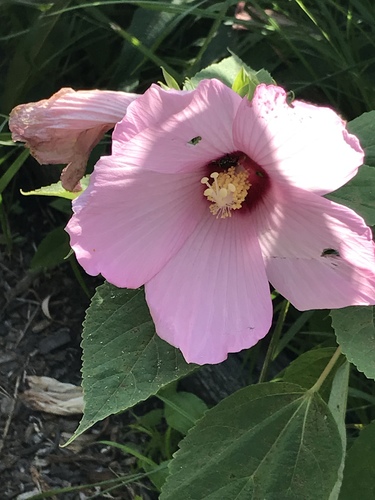
Hibiscus, Genus, moscheutos, Species,
- Genus & species
hardy hibiscus
Native to eastern North America from Massachusetts and southern Ontario south to Florida and west to Texas and the lower Mississippi River basin; native habitats include freshwater marshes, swamps, wet meadows, river floodplains, and pond margins with seasonally flooded soil
Overview
Hibiscus moscheutos is hardy hibiscus or swamp rose mallow — a native perennial in the mallow family (Malvaceae) reaching 36–60 inches (90–150 cm) tall and 36–48 inches (90–120 cm) wide in an upright clumping habit. The species name 'moscheutos' translates as 'musky' and references a faint scent in some plant parts. Enormous dinner-plate-sized flowers 8–12 inches (20–30 cm) across in white, pink, red, or bicolor patterns appear from July through September across approximately 8 weeks; each individual flower lasts only 1–2 days but new flowers replace spent blooms continuously across the bloom window. The flower size on a cold-hardy perennial runs the principal appeal of the species — tropical-scale flower impact on a plant that survives USDA zone 4 winters, giving tropical visual effect without tropical fragility. The species is native to eastern North American freshwater marshes, swamps, and wet meadows, where the plants tolerate seasonally flooded conditions. Modern garden cultivars run more tolerant of average garden soil moisture than the wild species form, but consistent moisture still produces the largest flowers and most reliable performance. The species emerges very late in spring (often May or June) — the most common cultivation complaint, as gardeners may assume the plant has died over winter when neighboring perennials have already leafed out. Marking the planting location with a stake or label avoids accidental disturbance during the dormant period. The Summerific (Proven Winners) and Head Over Heels series give modern compact habits, dark-burgundy foliage options, and improved garden-condition tolerance compared to the straight species form. Hardy to USDA zone 4. Deer may eat the foliage. Not known to be toxic to pets or humans.
Native Range
Hibiscus moscheutos is native to eastern North America, ranging from Massachusetts and southern Ontario south to Florida and west to Texas and the lower Mississippi River basin. The species grows in freshwater marshes, swamps, wet meadows, river floodplains, and pond margins where the plants tolerate seasonally flooded soil conditions.Suggested Uses
Used as a tropical-impact specimen perennial in mixed borders, in rain gardens, along pond margins, in wet swale plantings, and in containers of 10 gallons (38 liters) or more with consistent moisture. The dinner-plate-sized flowers on a hardy zone-4 perennial give tropical visual presence in temperate gardens without the overwintering management of true tropical Hibiscus. Modern Summerific and Head Over Heels cultivar series give compact habits and dark burgundy foliage options that suit smaller-scale garden compositions where the wild species form would run too large. Pairs with other moisture-tolerant perennials (Lobelia cardinalis, Eupatorium, ornamental grasses Panicum and Andropogon) in wet-meadow and rain-garden compositions. The very late spring emergence runs as the principal cultivation complication — gardeners new to the species often assume winter loss before the plant emerges in late May or June.How to Identify
Appearance
Size & Dimensions
Height3' - 5'
Width/Spread3' - 4'
Bloom Information
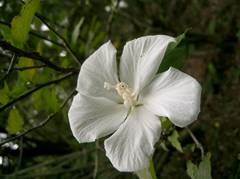
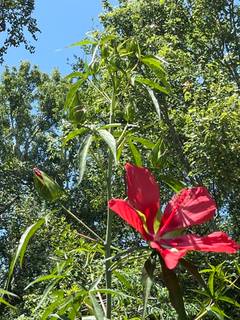
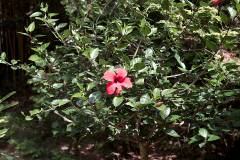
Flowering from July through September across approximately 8 weeks. Enormous 8–12 inch (20–30 cm) dinner-plate-sized flowers in white, pink, red, or bicolor patterns. Each individual flower lasts only 1–2 days but new flowers replace spent blooms continuously across the bloom window — giving the appearance of a sustained display despite the brief life of each bloom. Plants attract bumblebees, hummingbirds, and large butterflies during the bloom window; the broad open flower form gives easy access to nectar and pollen for large pollinators.
Detailed Descriptions
Flower Description
White, pink, red, or bicolor; enormous dinner-plate-sized blooms 8-12 inches across with broad overlapping rounded petalsFoliage Description
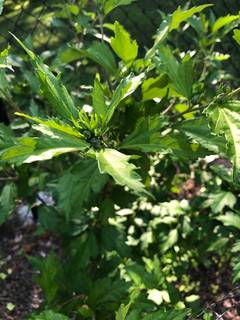
Dark green; large broadly ovate leaves; modern cultivars carry dark burgundy foliage as a breeding-line traitGrowing Conditions
Sun Requirements
Requires 6-12 hours of direct sunlight daily
• Full Sun: 6+ hours of direct sunlight
• Partial Shade: 3-6 hours of direct sunlight
• Full Shade: Less than 3 hours of direct sunlight
Care & Maintenance
Care Guide
Plant in full sun with at least 6 hours of direct light. Moist to wet soil suits the species — the native marsh and swamp habitat preference indicates the species' tolerance for seasonally flooded conditions. Modern cultivars tolerate average garden moisture but produce the largest flowers and most reliable bloom in consistently moist soil. Mark the planting location with a stake or label — the species emerges very late in spring (May or June) and may appear absent before new growth starts, leading to accidental damage during the dormant period. Deadhead spent flowers for tidy appearance, though the rapid replacement of new blooms makes deadheading cosmetic rather than essential. Cut all stems to ground level after frost browns the foliage in late fall. Hardy to USDA zone 4. Deer may eat the foliage and may need protection in deer-heavy areas.Pruning
Cut all stems to ground level after frost browns the foliage in late fall. Do not disturb the planting location in spring until new growth appears in May or June — the species emerges much later than most perennials. Deadhead spent flowers for tidy appearance during the bloom window.Pruning Schedule
Prune: November
fall
Container Growing
Suitable for container growing
Minimum container size: 10 gallons