Hibiscus, Genus, rosa-sinensis, Species,
- Genus & species
tropical hibiscus
East Asia — China; the 'rosa-sinensis' means 'rose of China'; the national flower of Malaysia
Overview
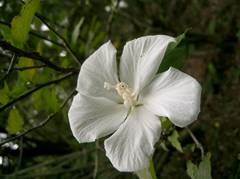
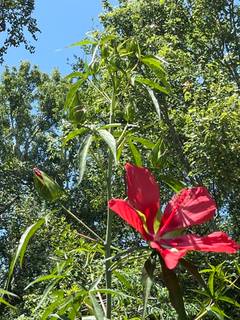
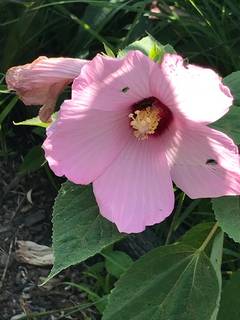
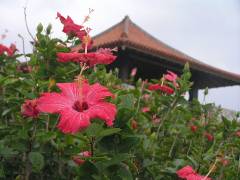
Hibiscus rosa-sinensis is the tropical hibiscus, growing 36–72 inches (90–180 cm) indoors. Trumpet-shaped flowers 4–6 inches (10–15 cm) across in red, pink, orange, yellow, white, or bicolor combinations, each with the prominent central staminal column (fused stamens and pistil projecting outward) that characterizes the genus. Each flower lasts 1–2 days, then abscises cleanly; new flowers are produced continuously when the plant receives 6+ hours of direct sun. The species name 'rosa-sinensis' means 'rose of China.' Blooms on new growth — spring pruning encourages branching and increases flower count. No frost tolerance: foliage and stem damage occur at 32°F (0°C). Indoor overwintering in cold climates. Distinguished from the hardy H. moscheutos (perennial, zone 4, 8–10 inch / 20–25 cm flowers, herbaceous) and H. syriacus (deciduous shrub, zone 5, 3–4 inch / 7–10 cm flowers). Non-toxic — the flowers are edible and used in hibiscus tea (dried calyces of related H. sabdariffa) and as food garnishes. Spider mites and whiteflies are common indoor pests, especially in dry air.
Native Range
Hibiscus rosa-sinensis is native to East Asia — China. The national flower of Malaysia.Suggested Uses
Grown in containers of 3–5 gallons (12–20 liters) in direct sun (6+ hours). Patio and deck plant in summer; indoor overwintering in cold climates. Outdoors year-round in zones 10–11.How to Identify
Appearance
Size & Dimensions
Height3' - 6'
Width/Spread2' - 4'
Bloom Information
Detailed Descriptions
Flower Description
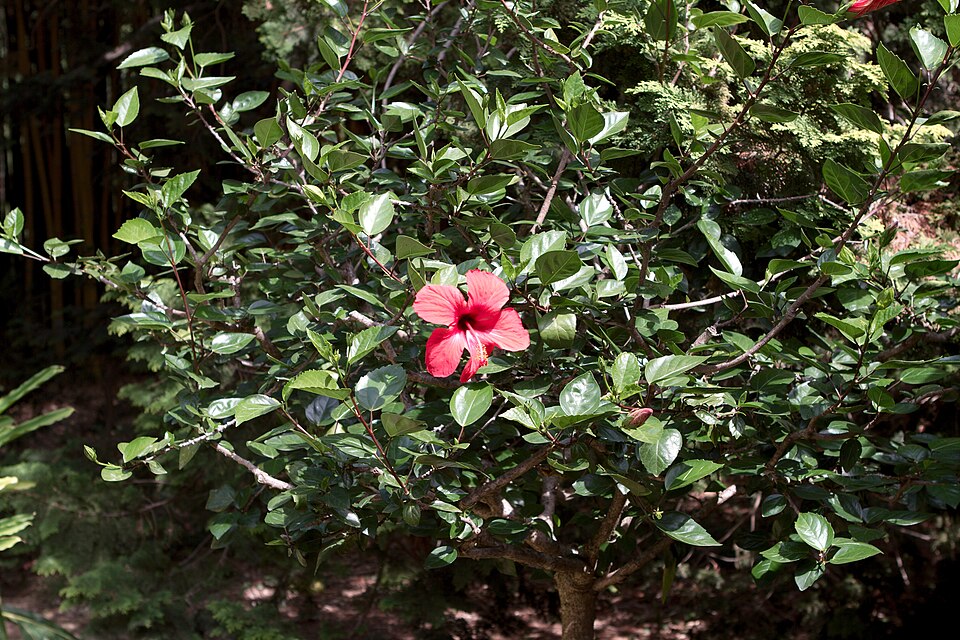
Red, pink, orange, yellow, white, or bicolor — large showy trumpet-shaped flowers 4-6 inches (10-15 cm) across with a prominent central staminal columnFoliage Description
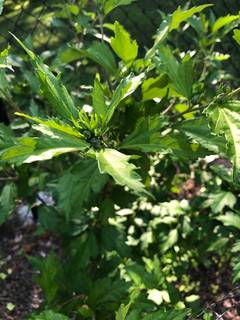
Dark green, glossy, ovate, toothed marginsGrowing Conditions
Sun Requirements
Requires 6-12 hours of direct sunlight daily
• Full Sun: 6+ hours of direct sunlight
• Partial Shade: 3-6 hours of direct sunlight
• Full Shade: Less than 3 hours of direct sunlight
Care & Maintenance
Care Guide
Full direct sun (6+ hours) for continuous flowering. Keep soil evenly moist during active growth. No frost tolerance — overwinter indoors in cold climates. Prune in early spring to promote branching and more flowers. Non-toxic; flowers are edible. Watch for spider mites and whiteflies in dry indoor air.Pruning
Prune in early spring, cutting back by one-third to one-half. Blooms on new growth — pruning increases branching and flower production.Pruning Schedule
Prune: March
early spring
Container Growing
Suitable for container growing
Minimum container size: 7 gallons