Hermannia, Genus, spp., Multiple species,
- Genus
- Multiple species
Dollsroses
Southern Africa, with scattered species elsewhere
Overview
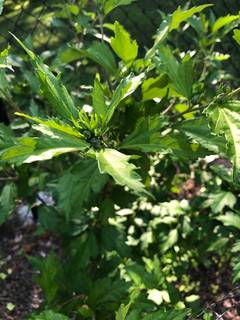
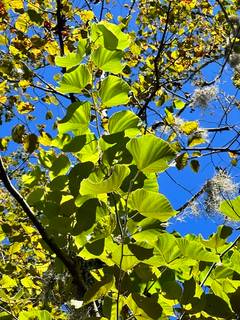
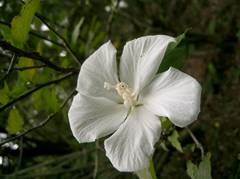
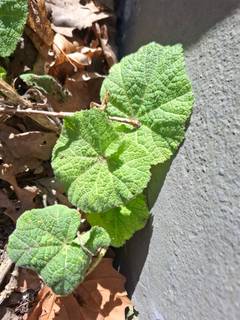
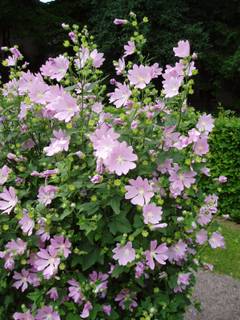
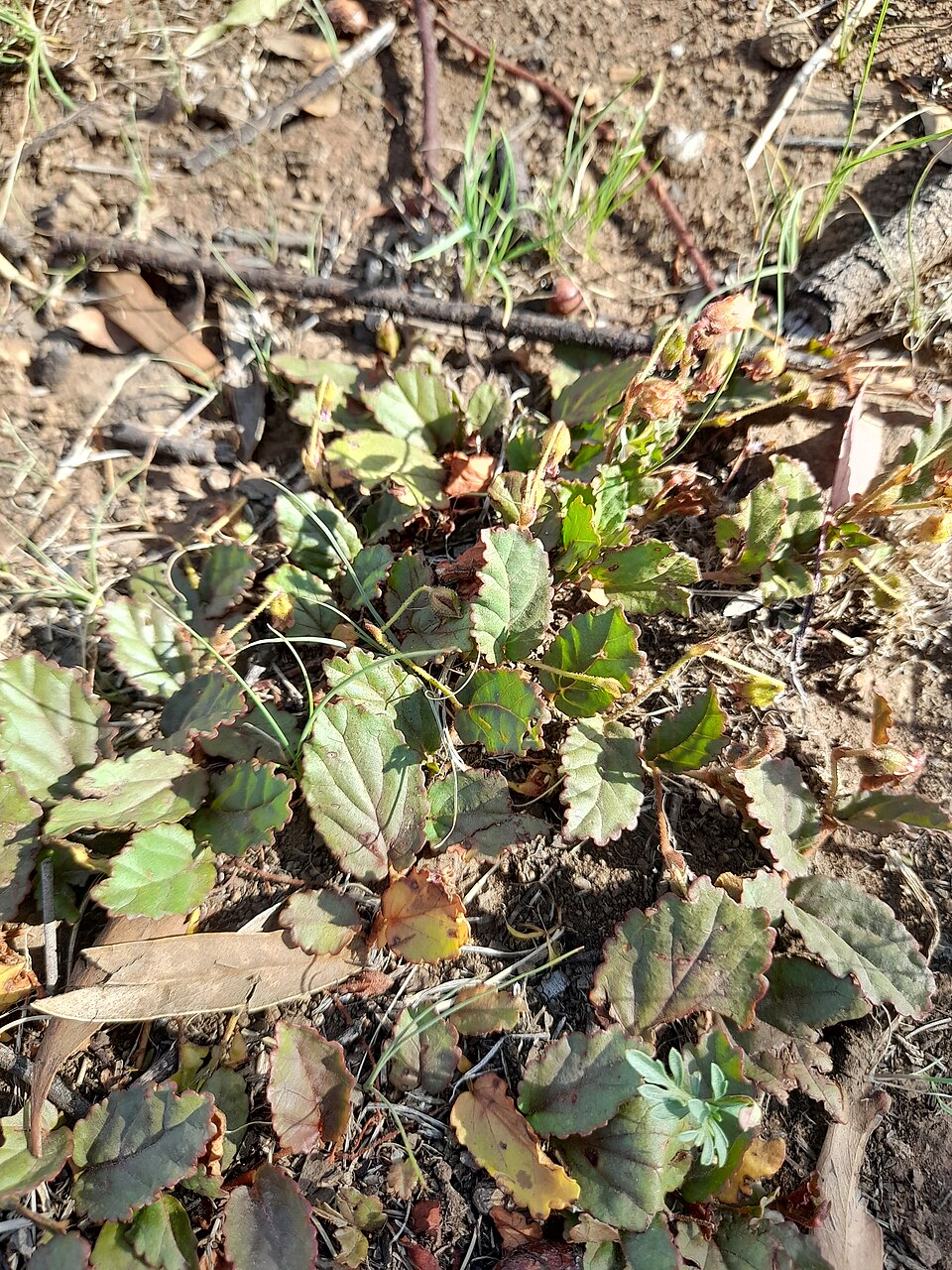
Hermannia is a genus of about 100–180 shrubs, subshrubs, and perennial herbs in the family Malvaceae, centred in southern Africa with a few species in the Americas, Australia, and Arabia. Most are low, much-branched evergreen shrublets 1–3 ft (30–90 cm) tall and wide, with small, often wrinkled or toothed grey-green leaves covered in minute star-shaped hairs. From late winter into spring, the wiry stems carry nodding, bell- or urn-shaped flowers 0.2–0.6 in (5–15 mm) long with five overlapping, twisted petals in yellow, orange, apricot, pink, or red. The flowers of several species, including H. verticillata, carry a sweet scent likened to vanilla or honey, the source of the common name honeybells. Dry capsules follow and split to release small seeds. Most species grow in dry, open, rocky or sandy habitats in full sun and are adapted to drought and lean soils. Hermannia is frost-tender, growing outdoors mainly in USDA zones 9–11, and the brittle stems can be damaged by wind and heavy rain.
Native Range
Hermannia is concentrated in southern Africa, especially the winter-rainfall regions of South Africa and Namibia, with scattered species in tropical Africa, Arabia, Australia, and the warm Americas. The plants grow on dry slopes, sandy flats, and rocky scrub, often in nutrient-poor ground.Suggested Uses
Hermannia is grown in rock gardens, gravel gardens, dry banks, and containers in warm, dry-climate regions, and as a conservatory plant in areas with cold winters. The scented species are placed near paths and seating where the fragrance carries. The sprawling, drought-tolerant habit suits coastal and Mediterranean-style plantings.How to Identify
Appearance
Size & Dimensions
Height1' - 3'
Width/Spread1' - 3'
Bloom Information
Flowering is concentrated from late winter into spring, roughly February to May in the Northern Hemisphere, with scattered bloom at other times in mild climates. The nodding flowers hang along the stems and open over several weeks. Warmth releases the fragrance of the scented species through the day.
Detailed Descriptions
Flower Description
yellow, orange, apricot, pink, and redFoliage Description
grey-greenGrowing Conditions
Sun Requirements
Requires 6-12 hours of direct sunlight daily
• Full Sun: 6+ hours of direct sunlight
• Partial Shade: 3-6 hours of direct sunlight
• Full Shade: Less than 3 hours of direct sunlight
Care & Maintenance
Care Guide
Hermannia grows in full sun and sharply drained sandy or gravelly soil, tolerating heat, wind, and drought once established. The plants decline in heavy, wet, or rich soil, which causes root and stem rot. Light watering during dry spells extends flowering, but established shrublets need little supplemental moisture. Most species are frost-tender and grow outdoors only in zones 9–11, or in containers moved under cover for winter elsewhere. Propagation is by seed or by semi-ripe cuttings taken after flowering. A trim after bloom keeps the brittle, sprawling stems compact.Pruning
Plants are sheared lightly after flowering to remove spent blooms and keep the low habit dense. Cutting back to just above old wood is tolerated, though hard cuts into bare stems may not resprout. A second light trim during summer controls straggly growth.Pruning Schedule
Prune: May–June
late spring
Container Growing
Suitable for container growing
Minimum container size: 2 gallons