Image 1 of 18
1 / 18
Plant Reference
Tilia, Genus, cordata, Species,
- Genus & species
little‑leaf linden
Europe from the British Isles east to western Russia; mesic woodlands, hedgerows, and forest edges on a range of soils including calcareous substrates
Overview
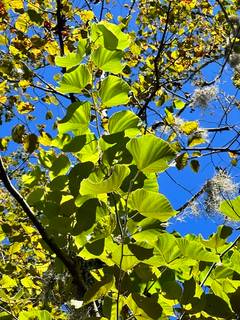
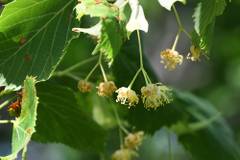
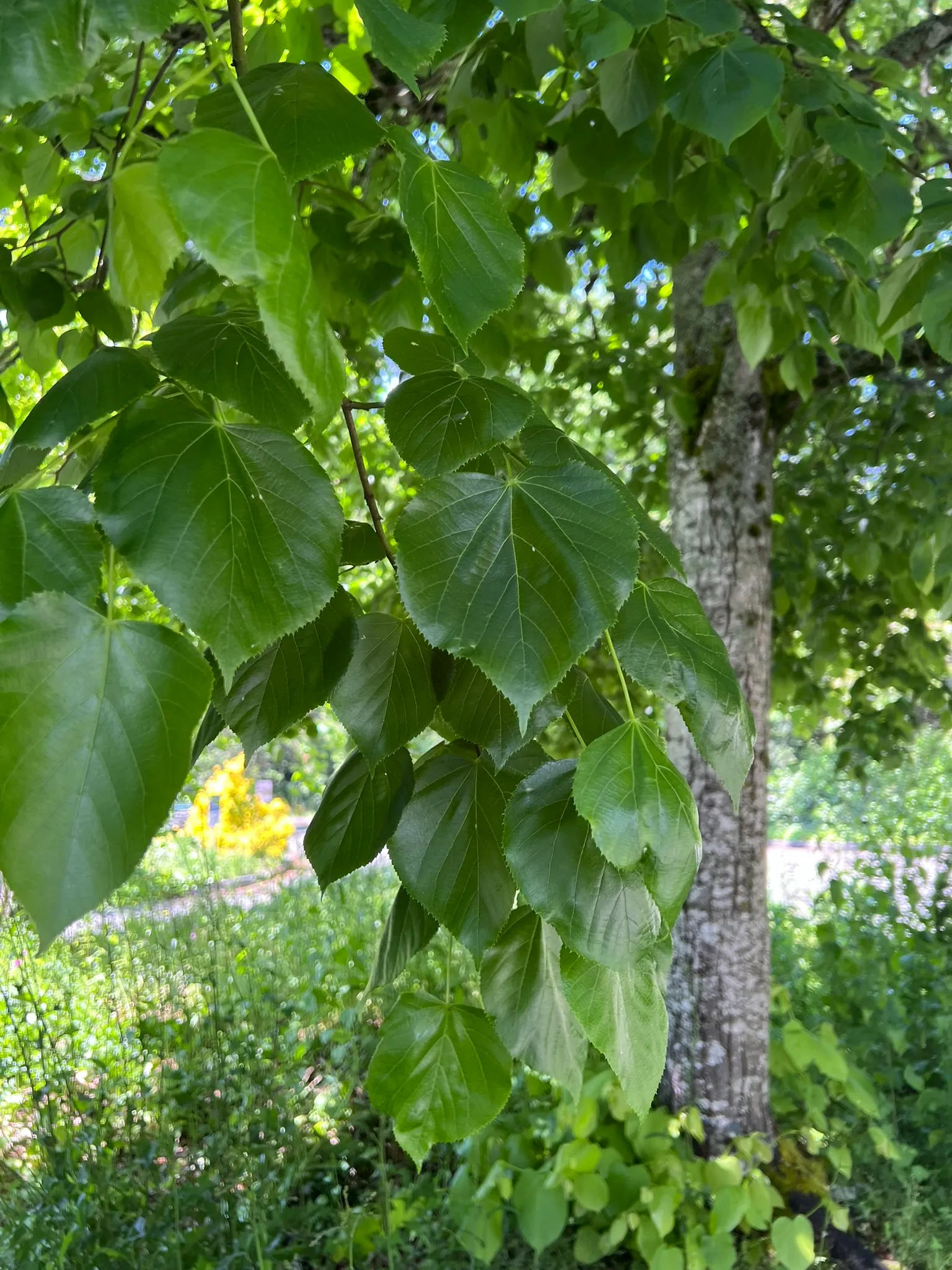
Tilia cordata is a large upright deciduous tree in the family Malvaceae reaching 40–60 feet (12–18 m) tall and 25–40 feet (7.5–12 m) wide with a dense pyramidal to rounded crown held on a straight central trunk. Leaves are alternate, simple, heart-shaped (cordate), 2–3 inches (5–7 cm) across with finely serrated margins, dark glossy green on the upper surface and blue-green beneath with tufts of rusty hairs in the vein axils that are a reliable field character for the species. The small leaf size separates T. cordata from the larger American basswood T. americana, which carries leaves 4–8 inches (10–20 cm) across without the rusty vein-axil hair tufts. Pale yellow tiny flowers open in pendant cymes of 5–10 flowers each attached to a strap-shaped papery bract 2–3 inches (5–7 cm) long in June and July across about 3 weeks, and the flowers carry a moderate sweet honey-like scent that attracts heavy honeybee visitation — monofloral linden honey is valued across the native European range of the species. Small round nutlets with the persistent papery bract follow the flowers and disperse on the wind. Over 500 cultivars have been named for street-tree use since the 19th century, and 'Greenspire' (pyramidal form with a straight central leader, widely planted as a street tree) and 'Glenleven' (more open crown with slightly faster growth) are the commercial cultivars most commonly available in North American nurseries. Limitation: aphids feed on the foliage through summer and excrete sticky honeydew that drips from the canopy and coats cars, patios, and walkways below the tree with a tacky residue that supports sooty mold growth, so positions over parking areas, outdoor seating, or frequently used walkways are unsuitable for this species despite its otherwise reliable performance as a street tree. Japanese beetles (Popillia japonica) defoliate the foliage in eastern North America during the adult feeding period in July, and the species is not drought-tolerant, with leaf scorch developing during extended summer dry periods unless supplemental irrigation is applied.
Native Range
Native to Europe from the British Isles and Scandinavia east through continental Europe to western Russia, growing in mesic woodlands, hedgerows, and forest edges on a range of soils including calcareous substrates. The species has been planted in European cities, parks, and avenues for several centuries and has become closely associated with European urban streetscapes, particularly in Germany, where the species is the source of the street name Unter den Linden in Berlin.Suggested Uses
Used as a shade tree, street tree, formal pleached screen, and avenue specimen at 25–40 foot (7.5–12 m) spacing in residential and municipal landscapes where the dense pyramidal crown, the June and July honey-scented bloom, and the tolerance of urban pollution and alkaline soils all contribute. 'Greenspire' is the cultivar most commonly planted in North American street-tree programs because of the uniform pyramidal form and the straight central leader. Positions over parking areas, outdoor seating, and frequently used walkways are unsuitable because of the summer aphid honeydew drip, and hot dry sites without supplemental irrigation produce marginal leaf scorch through the summer.How to Identify
Appearance
Size & Dimensions
Height40' - 60'
Width/Spread25' - 40'
Bloom Information
Pale yellow tiny flowers open in pendant cymes of 5–10 flowers each attached to a strap-shaped papery bract 2–3 inches (5–7 cm) long from June through July across about 3 weeks. The flowers carry a moderate sweet honey-like scent and attract heavy honeybee visitation; monofloral linden honey is a valued product across the native European range. Small round nutlets 0.25 inch (6 mm) across with the persistent papery bract follow the flowers and disperse on the wind through late summer and fall.
Detailed Descriptions
Flower Description
pale yellow tiny flowers in pendant cymes of 5-10 flowers attached to a strap-shaped papery bract 2-3 inches (5-7 cm) long; moderately fragrant with a sweet honey-like scentFoliage Description
dark glossy green on the upper surface, blue-green beneath with tufts of rusty hairs in the vein axils; alternate, simple, heart-shaped (cordate), 2-3 inches (5-7 cm) across — much smaller than T. americana leaves at 4-8 inches (10-20 cm); finely serrated margins; turns yellow in fallGrowing Conditions
Sun Requirements
Requires 4-12 hours of direct sunlight daily
• Full Sun: 6+ hours of direct sunlight
• Partial Shade: 3-6 hours of direct sunlight
• Full Shade: Less than 3 hours of direct sunlight
Care & Maintenance
Care Guide
Site in full sun to partial shade with 4–12 hours of direct sun per day in well-drained soil with a pH of 5.5–8.0. The species tolerates alkaline soils to pH 8.0 and light clay substrates better than most other large street trees, which has contributed to its widespread use in European and North American urban plantings. Supplemental irrigation through the first 2–3 growing seasons establishes the root system, and established trees call for occasional deep irrigation during extended dry periods because the species is not drought-tolerant and develops marginal leaf scorch on dry hot summer sites. Aphid honeydew drips from the canopy through summer and coats surfaces below with a sticky residue, so positions over parking areas and outdoor seating are unsuitable despite the otherwise reliable performance of the species. Japanese beetles (Popillia japonica) feed on the foliage in eastern North America during the July adult feeding period and can skeletonize the foliage in heavy infestation years. Hardy in USDA zones 3–7.Pruning
Pruning is done in late winter (January and February) while the tree is dormant. Structural pruning in the first 10–15 years develops a single strong central leader and well-spaced scaffold branches at wide crotch angles, and co-dominant leaders are reduced during this formative period. Mature trees need little pruning beyond removal of dead, crossing, or weak-angled branches. The dense pyramidal to rounded crown develops naturally without extensive shaping, and the species tolerates formal shearing better than most large trees, which has made it the traditional species for pleached screens and formal clipped avenue plantings in European formal gardens.Pruning Schedule
Prune: January–February
winter