Image 1 of 16
1 / 16
Plant Reference
Alcea, Genus, rosea, Species,
- Genus & species
common hollyhock
Overview
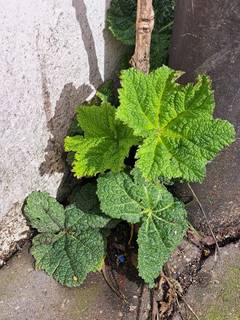
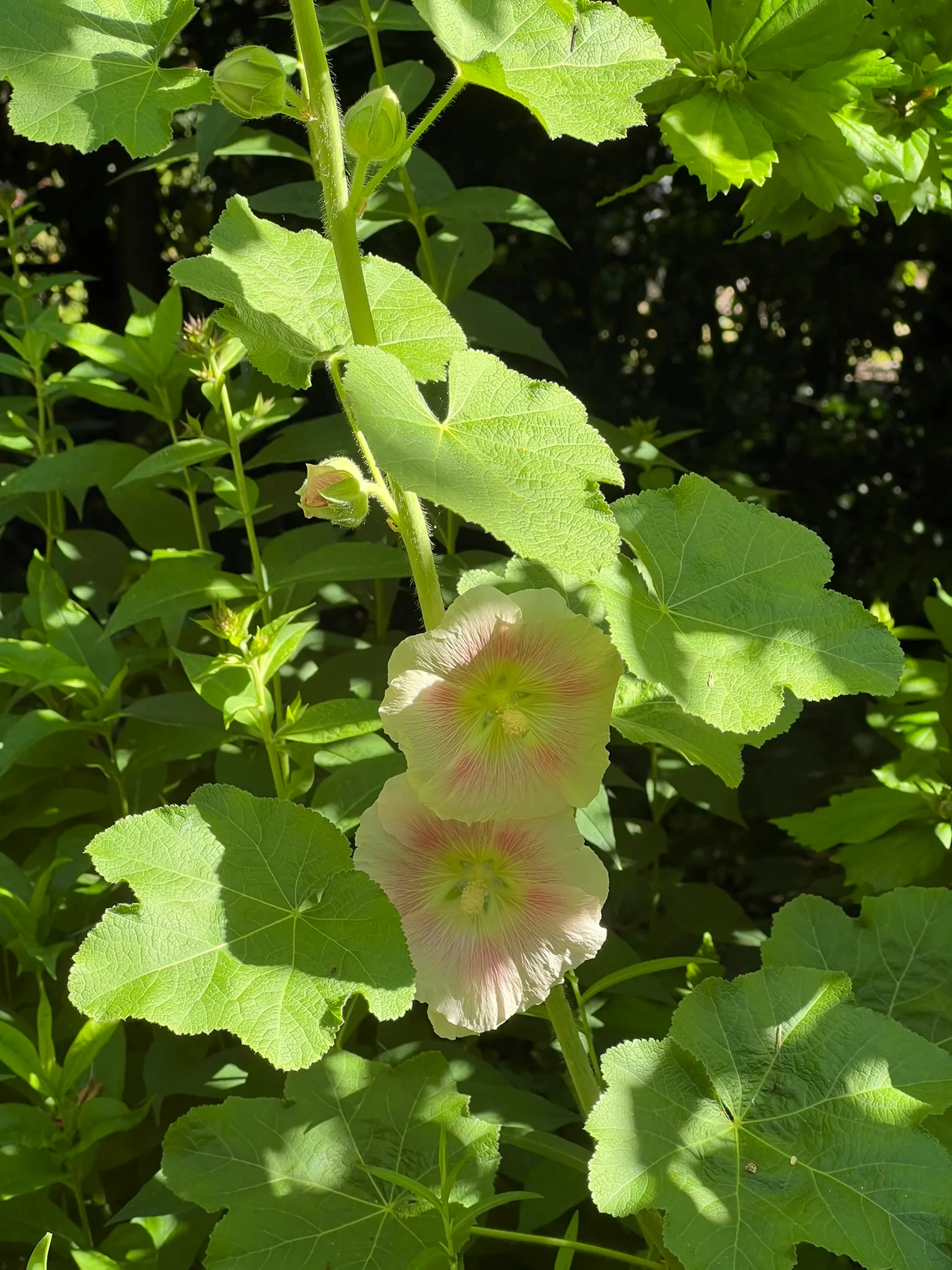
Alcea rosea is a short-lived biennial or perennial grown for its tall flowering spires, reaching 5-9 feet (150-275 cm) tall and 1.5-2.5 feet (45-75 cm) wide. In the first year it forms a basal rosette of large, rounded, lobed leaves 6-8 inches (15-20 cm) across with a rough, hairy surface. In the second year a tall unbranched stem rises and opens funnel-shaped flowers 3-5 inches (7-13 cm) wide from the bottom upward over several weeks. Blooms come in white, pink, red, burgundy, and near-black, in single and double forms. Flowering runs through summer, after which the plant sets disc-shaped seeds and often dies. A. rosea grows in full sun in fertile, well-drained soil and needs staking or a sheltered wall in wind because of its height. Its main drawback is hollyhock rust, a fungal disease that spots and yellows the leaves from the base upward. Hardy in USDA zones 3-9, it is grown at the back of borders and against fences and walls.
Native Range
Alcea rosea is of garden origin, derived from wild species of southwestern and central Asia, and is not known as a true wild plant. It has been cultivated for centuries and now self-seeds in gardens and on waste ground across temperate regions.Suggested Uses
Grown at the back of borders, in cottage gardens, and against fences, walls, and outbuildings where the tall spires have support, spaced 18-24 inches (45-60 cm) apart. The flowers are also used in cut arrangements and to draw pollinators.How to Identify
Appearance
Size & Dimensions
Height5' - 9'
Width/Spread1'6" - 2'6"
Bloom Information
Flowering occurs in summer, mainly June through September, usually in the plant's second year. Flowers open in sequence from the bottom of the spike to the top over several weeks. The blooms draw bees, butterflies, and hummingbirds, and the plant sets flat ringed seeds as flowering ends.
Detailed Descriptions
Flower Description
White, pink, red, burgundy, near-black; single and double formsFoliage Description
Medium green, rough-textured, rounded and shallowly lobedGrowing Conditions
Sun Requirements
Requires 6-10 hours of direct sunlight daily
• Full Sun: 6+ hours of direct sunlight
• Partial Shade: 3-6 hours of direct sunlight
• Full Shade: Less than 3 hours of direct sunlight
Care & Maintenance
Care Guide
Grow in full sun in deep, fertile, well-drained soil with steady moisture. Sow seed in late spring for bloom the next year, or start early indoors for first-year flowers; plants set in place self-seed freely afterward. Tall stems often need staking or the shelter of a wall or fence on exposed sites. Hollyhock rust is the main problem, spotting and yellowing leaves from the base upward; removing affected lower leaves and spacing plants for airflow slows it. The plant accepts a soil pH of 6.0-8.0 and tolerates poor soil but flowers more freely with feeding. Hardy in USDA zones 3-9.Pruning
Deadhead spent flowers along the spike to extend bloom and limit self-seeding. Cut the flower stalk to the ground once flowering ends, or leave some seed heads to self-sow. Remove rust-spotted lower leaves through the season to slow the disease.Pruning Schedule
Prune: July–August
summer
Toxicity
Non-toxicPlanting Guide
Planting Methods & Timing
Planting Method
both
Indoor Start
6 weeks before last frost
Direct Sow Timing
Sow outdoors in late spring after frost, or in late summer for bloom the following year
Plant Spacing
18 inches