Grewia, Genus, spp., Multiple species,
- Genus
- Multiple species
donkeyberries
Tropical and subtropical Africa, Asia, and Australia
Overview
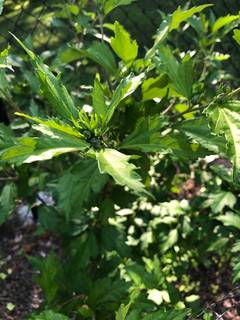
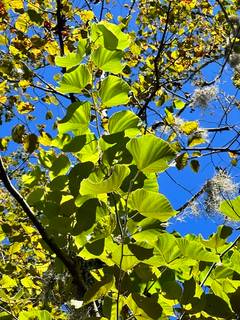
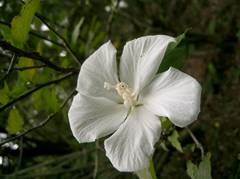
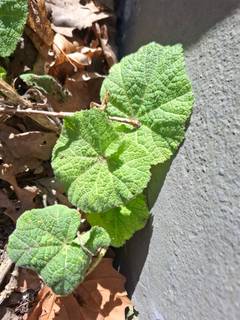
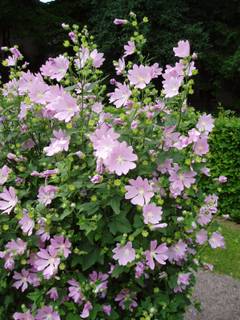
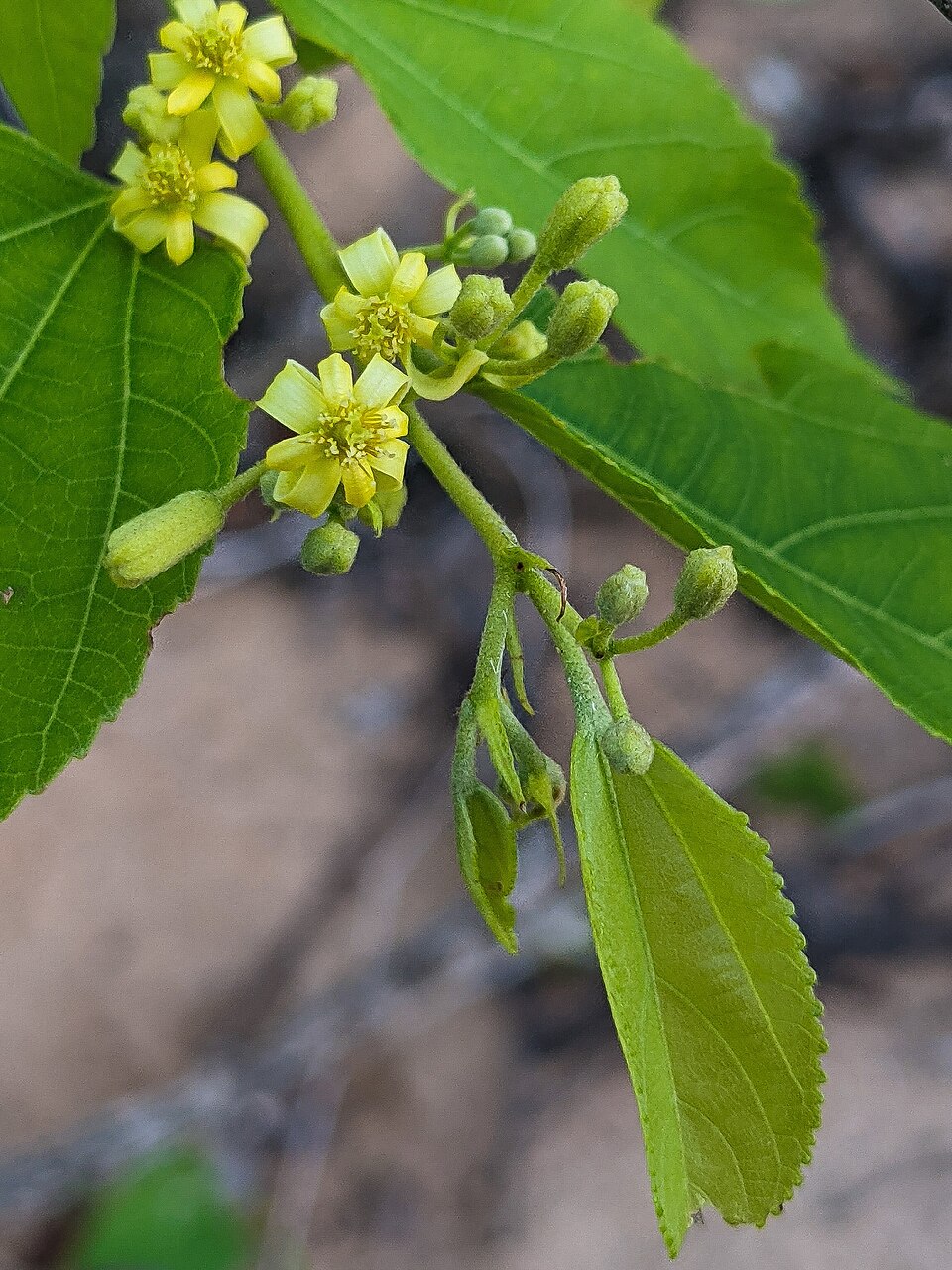
Grewia is a genus of about 300 species of shrubs, small trees, and woody climbers in the family Malvaceae, native to the tropics and subtropics of Africa, Asia, and Australia. Plants range from 3 to 30 ft (1-9 m) tall, with simple, alternate, often rough-textured leaves that have toothed margins and three main veins from the base. The star-shaped flowers carry five narrow petals in yellow, white, pink, or purple, with a central tuft of stamens, and are 0.4-1.5 in (1-4 cm) across. They are followed by small, rounded, often lobed drupes that ripen red to purple-black and are edible in several species. G. asiatica, phalsa, is grown across South Asia for its tart purple fruit, and G. occidentalis, the lavender starflower, is grown as an ornamental shrub in warm gardens. Plants tolerate heat and drought and grow in a wide range of soils. Many species are frost-tender, though some withstand light frost once established.
Native Range
Grewia is native to the warm regions of Africa, Asia, and Australia, with the greatest diversity in tropical Africa and southern Asia. Plants grow in savanna, dry woodland, scrub, and forest margins. G. asiatica is widely cultivated beyond its native South Asian range for fruit.Suggested Uses
Grown as fruiting shrubs, ornamental flowering shrubs, and informal hedges or screens in warm and dryland gardens. G. asiatica is cultivated for its tart fruit, used fresh and in drinks. The flowers draw bees and butterflies, and the fruit feeds birds.How to Identify
Appearance
Size & Dimensions
Height3' - 30'
Width/Spread3' - 15'
Bloom Information
Detailed Descriptions
Flower Description
yellow, white, pink, or purpleFoliage Description
greenGrowing Conditions
Sun Requirements
Requires 6-12 hours of direct sunlight daily
• Full Sun: 6+ hours of direct sunlight
• Partial Shade: 3-6 hours of direct sunlight
• Full Shade: Less than 3 hours of direct sunlight
Care & Maintenance
Care Guide
Plants grow in full sun to part shade in well-drained soil with a pH near 6.0 to 7.5, tolerating poor, sandy, and rocky ground. They withstand heat and drought once established and need little supplemental water. Young plants are watered until rooted, after which most species are self-reliant. Fruiting species crop most heavily with some summer moisture. Frost-tender species are sheltered or grown in containers where winters are cold.Pruning
Plants are pruned after flowering or fruiting to shape them and remove crowded or dead wood. Phalsa and other fruiting species are cut back hard each year, since fruit forms on new growth. Climbing species are thinned and tied to supports.Container Growing
Suitable for container growing
Minimum container size: 7 gallons