Geranium, Genus, tuberosum, Species,
- Genus & species
tuberous geranium
Mediterranean Basin and western Asia (southern Europe, Turkey, Levant, Iran; dry grasslands, rocky slopes, olive-grove understories)
Overview
Geranium tuberosum is an upright clumping deciduous perennial in the geranium family (Geraniaceae) reaching 12–18 inches (30–45 cm) tall with a spread of 12–15 inches (30–38 cm), growing from a swollen tuberous rootstock. The species carries an atypical seasonal cycle that runs counter to every other geranium in cultivation — foliage emerges in late fall or early winter, flowering opens in spring, and the entire plant goes completely dormant by midsummer, leaving no above-ground presence through the later summer and fall months. Flowers are 1–1.25 inches (2.5–3 cm) across, bright lilac-pink to mauve-pink with darker veining, carried in loose clusters from April through June. Foliage is finely divided into narrow segments, bright green in color, and appears in autumn ahead of the bloom period before senescing after flowering. The summer dormancy is an adaptation to the dry-summer climate of the Mediterranean native range — the tuber stores energy through the dormant period and drives new growth when autumn moisture returns. Hardy to zone 6.
Native Range
Geranium tuberosum is native to the Mediterranean Basin and western Asia, ranging from southern Europe (Italy, Greece, Turkey) eastward through the Levant to Iran, where it grows in dry grasslands, rocky slopes, and olive-grove understories.Suggested Uses
Grown in Mediterranean gardens, gravel gardens, dry borders, and rock gardens at 12–15 inch (30–38 cm) spacing. The spring-only growth cycle suits Mediterranean-climate gardens where dry summers already set the garden tempo, and the cultivar slots into those plantings without disrupting the summer-dormant rhythm that matches many bulb species. Interplanting with summer-dormant bulb companions or late-emerging perennials fills the dormancy gap without competing for the tuber's root space. The plant functions in bulb-style plantings alongside Narcissus, Muscari, and other spring-flowering bulbs that share the dormancy pattern. Irrigated summer gardens, wet soils, and positions where bare-ground summer cover would be unwanted are all unsuitable given the cultural profile.How to Identify
Appearance
Size & Dimensions
Height1' - 1'6"
Width/Spread1' - 1'3"
Bloom Information
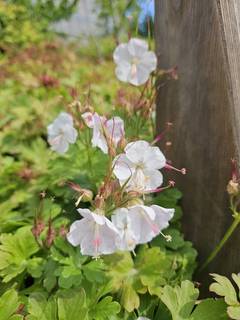
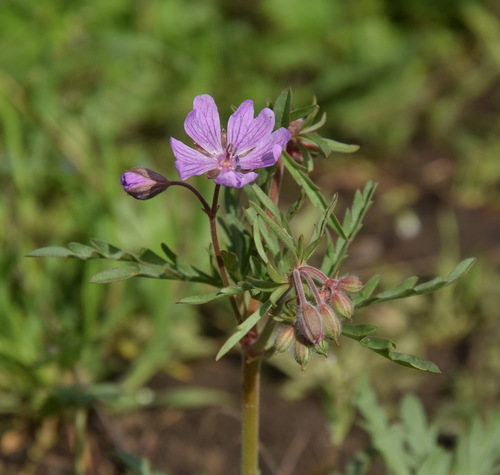
Flowers 1–1.25 inches (2.5–3 cm) across, bright lilac-pink to mauve-pink with darker veining, open from April through June across a 6–8-week bloom window. The plant goes completely dormant after the flowering period closes, and no above-ground presence remains from midsummer through fall until the new autumn growth emerges for the next season.
Detailed Descriptions
Flower Description
Bright lilac-pink to mauve-pink with darker veining; saucer-shaped 1-1.25 inches acrossFoliage Description
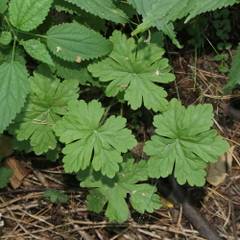
Bright green very finely divided into narrow segments; emerges in autumn, senesces by midsummerGrowing Conditions
Sun Requirements
Requires 6-10 hours of direct sunlight daily
• Full Sun: 6+ hours of direct sunlight
• Partial Shade: 3-6 hours of direct sunlight
• Full Shade: Less than 3 hours of direct sunlight
Care & Maintenance
Care Guide
Grows in full sun in well-drained to dry soil at pH 6.0–8.0, tolerating sand, loam, rocky substrate, and chalk. The tuberous root system requires a dry summer dormancy period — irrigation of the planting area after the foliage dies back promotes rot and shortens the plant's lifespan. Hardy to zone 6. Sharp drainage is the key cultural requirement. The midsummer-through-fall dormancy gap must be accounted for in the planting design — interplanting with late-season companion plants fills the bare-ground period visually without competing for root space during the active growth window.Pruning
No pruning is required. Foliage yellows and dies back naturally through early summer as the plant transitions to dormancy. The senescing foliage is allowed to senesce completely on the plant — the decay-transferred nutrients feed tuber energy storage for the following growing cycle.Container Growing
Suitable for container growing
Minimum container size: 2 gallons