Geranium, Genus, molle, Species,
- Genus & species
dovefoot geranium
Europe, western Asia, and northern Africa
SunFull Sun – Part Shade
Overview
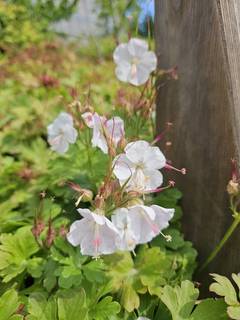
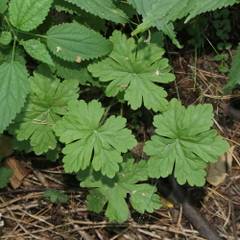
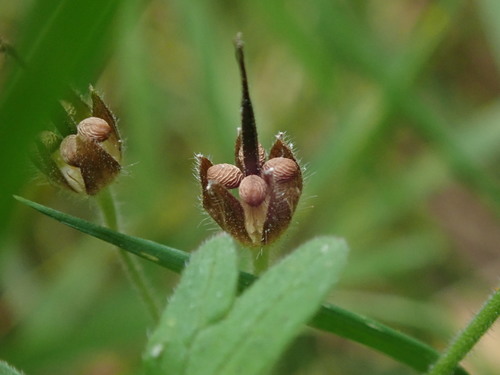
Geranium molle is a low-growing softly hairy winter annual or biennial in the family Geraniaceae reaching 4-16 inches (10-40 cm) tall and 6-18 inches (15-45 cm) wide. Stems are spreading to ascending, branching freely from the base and covered densely in soft spreading hairs. Leaves are orbicular 0.5-2 inches (1-5 cm) across, palmately 5-9 lobed with rounded lobe tips, and densely soft-hairy on both surfaces, which gives the plant a velvety texture; the common name refers to the dove's-foot shape of the leaf outline. Flowers are small, 0.3-0.5 inch (8-12 mm) across, pink to mauve, five-petaled, with deeply notched petals (each petal indented 30-50% of its length). Fruit is a schizocarp carrying the characteristic cranesbill beak 0.3-0.5 inch (8-12 mm) long; mericarps are smooth rather than ridged, which separates the species from several similar look-alikes under a hand lens. Seeds are released by the curling of the awn and are projected 3-6 feet (1-2 m) from the parent. A single plant produces 300-1,500 seeds. Seeds germinate primarily in fall and plants overwinter as rosettes before bolting in spring. The species occurs in lawns, garden beds, roadsides, and waste ground throughout the Pacific Northwest.
Native Range
Geranium molle is native to Europe, western Asia, and northern Africa, in dry grasslands, lawns, roadsides, and waste ground from sea level to approximately 4,500 feet (1,400 m). Naturalized across North America and common in the Pacific Northwest and along the Pacific coast.Suggested Uses
Used in weed identification courses to teach Geranium species differentiation in lawns (G. molle, G. lucidum, G. robertianum, G. dissectum). The cranesbill explosive seed dispersal mechanism is a standard botanical teaching example. Included in Geraniaceae morphology exercises for leaf shape, petal notching, and mericarp surface characters.How to Identify
Appearance
Size & Dimensions
Height4" - 1'4"
Width/Spread6" - 1'6"
Bloom Information
Small pink to mauve five-petaled flowers 0.3-0.5 inch (8-12 mm) across with deeply notched petals, borne March through July in pairs on slender peduncles as stems branch and elongate over 8-12 weeks. Self-pollinating. In the Pacific Northwest peak flowering runs April through June. Cranesbill fruit matures 3 weeks after pollination and releases seed by explosive awn dehiscence.
Detailed Descriptions
Flower Description
Pink to mauve; five-petaled 0.3-0.5 inch (8-12 mm) with deeply notched petals; March-JulyFoliage Description
Soft medium green; orbicular 0.5-2 inches (1-5 cm) palmately 5-9 lobed with rounded lobe tips; densely covered in soft hairs on both surfaces; deciduousGrowing Conditions
Sun Requirements
Requires 4-10 hours of direct sunlight daily
• Full Sun: 6+ hours of direct sunlight
• Partial Shade: 3-6 hours of direct sunlight
• Full Shade: Less than 3 hours of direct sunlight