Geranium, Genus, macrorrhizum, Species,
- Genus & species
bigroot geranium
Southeastern Europe (Balkans, southern Alps, Carpathians — rocky woodlands, forest margins, limestone cliffs from sea level to 7,000 feet / 2,100 m)
Overview
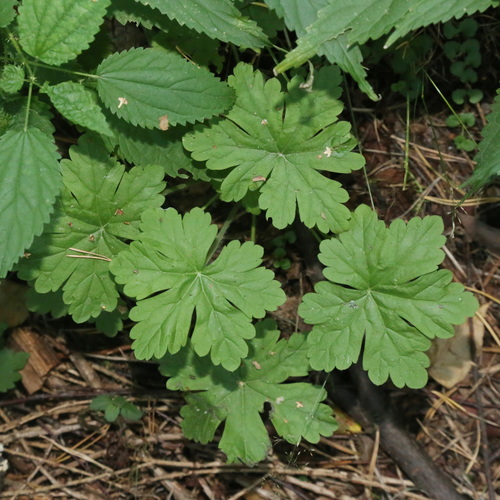
Geranium macrorrhizum is a vigorous spreading semi-evergreen perennial in the geranium family (Geraniaceae) reaching 12–18 inches (30–45 cm) tall with a spread of 24–36 inches (60–90 cm), forming dense colonies via thick fleshy rhizomes that root along the soil surface. The common name 'bigroot' references these conspicuous surface rhizomes, and the specific epithet 'macrorrhizum' translates to 'large-rooted' in reference to the same feature. This Balkan-native species carries broad cultural adaptability across hardy geraniums — tolerating deep shade, dry soil, root competition from trees, poor substrate, and long-term garden neglect without declining. Leaves are palmately 5–7-lobed at 4–8 inches (10–20 cm) across, sticky-hairy to the touch, and intensely aromatic when handled (the species is the source of the geranium oil used in perfumery). Foliage runs semi-evergreen through mild winters and turns vivid red, orange, and scarlet through fall and winter across the colder end of the hardiness range. Flowers are 1 inch (2.5 cm) across, magenta-pink with protruding stamens, carried in clusters from May through June. Growth rate is fast. Hardy to zone 3.
Native Range
Geranium macrorrhizum is native to southeastern Europe (the Balkans, the southern Alps, and the Carpathians), where it grows in rocky woodlands, forest margins, and limestone cliff faces from sea level to 7,000 feet (2,100 m).Suggested Uses
Grown as a weed-suppressing ground cover at 18–24 inch (45–60 cm) spacing in sun-to-deep-shade exposures. The broad cultural adaptability makes this species a working choice for difficult sites — positions where most perennial ground covers fail can carry reliable G. macrorrhizum plantings. The plant functions under tree canopies, on slopes, in dry-shade situations, and in neglected areas that receive no active garden maintenance. The aromatic foliage and vivid fall color extend seasonal interest across months when the flower display is absent. Vigorous rhizomatous spread can be aggressive in small beds without containment, and the species is not suited to confined spaces where the spread cannot be managed. Wet waterlogged soils are not suitable given the drainage preference of the native rocky-woodland habitat.How to Identify
Appearance
Size & Dimensions
Height1' - 1'6"
Width/Spread2' - 3'
Bloom Information
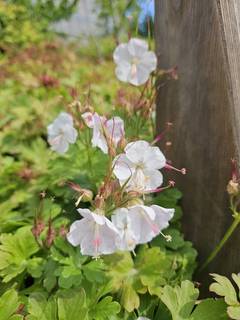
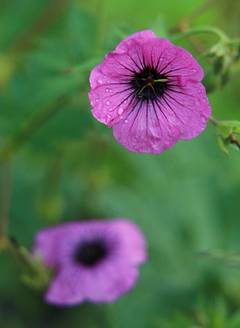
Flowers 1 inch (2.5 cm) across, magenta-pink with protruding stamens projecting forward from the flower face, open in clusters from May through June across a 4–6-week bloom window. The bloom runs secondary to the year-round foliage and ground-cover function — the species is grown primarily for the aromatic foliage mat and the fall color rather than the flower display.
Detailed Descriptions
Flower Description
Magenta-pink with protruding stamens; 1 inch across in clustersFoliage Description
Medium green palmately 5-7 lobed sticky-hairy intensely aromatic; vivid red-orange-scarlet fall and winter colorGrowing Conditions
Sun Requirements
Requires 1-10 hours of direct sunlight daily
• Full Sun: 6+ hours of direct sunlight
• Partial Shade: 3-6 hours of direct sunlight
• Full Shade: Less than 3 hours of direct sunlight
Care & Maintenance
Care Guide
Grows in full sun to full shade in any well-drained soil at pH 5.5–7.5, tolerating loam, clay, sand, chalk, and rocky substrate. Tolerance for deep shade, dry shade, root competition from trees, poor soil, and long-term neglect runs exceptionally high for the species — conditions that cause most perennial ground covers to fail are handled reliably by this species. Hardy to zone 3, which places G. macrorrhizum at the cold-tolerant end of the hardy ground-cover perennial range. The thick rhizomatous root system spreads vigorously and can run invasive in small garden settings where physical containment is not practical. Aromatic foliage deters deer and rabbits reliably through the terpene-rich oils that give the species its perfumery value. No serious pest or disease problems.Pruning
Old flower stems are removed after the May–June bloom window. Old or damaged foliage is sheared back in early spring to make way for fresh growth before the new season begins. The vigorous rhizomatous spread may need active containment in small garden spaces — pulling or cutting back the advancing rhizome edges keeps the clump within the allocated area.Pruning Schedule
Prune: March
early spring
Container Growing
Suitable for container growing
Minimum container size: 3 gallons