Geranium, Genus, lucidum, Species,
- Genus & species
shiny geranium
Europe, western Asia, northern Africa
SunPart Shade – Full Shade
WaterMedium
Overview
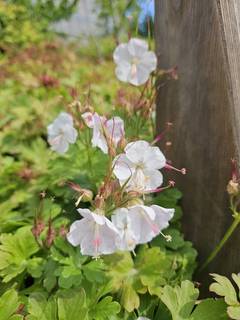
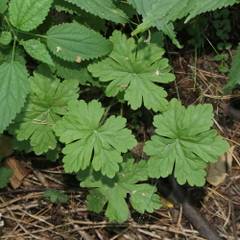
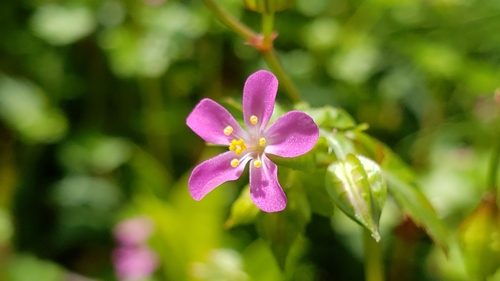
Geranium lucidum is a low-growing, winter annual (occasionally biennial) in the geranium family (Geraniaceae) reaching 4-18 inches (10-45 cm) tall with a 6-18 inch (15-45 cm) spread. Stems are smooth, glossy, succulent, often pink to red, and freely branching from the base. Leaves are orbicular, 0.5-1.5 inches (1-4 cm) across, palmately 5-7 lobed with rounded lobe tips and crenate margins, bright glossy green, smooth, and often turning red when stressed by sun exposure or drought. The glossy, shiny leaf surface is the identifying feature that gives the species its name. Flowers are small, 0.3-0.4 inch (8-10 mm) across, pink, five-petaled, borne in pairs on slender peduncles. Fruit is a schizocarp with the cranesbill beak 0.4-0.6 inch (10-15 mm) long; at maturity, the five mericarps curl upward explosively, projecting seeds up to 10 feet (3 m). A single plant produces 200-1,000 seeds. Seeds germinate in fall, forming rosettes that persist through winter and bolt in spring. G. lucidum is listed as a Class B noxious weed in Oregon. The species is expanding rapidly in the Pacific Northwest, forming dense monocultures in shaded forest understory, urban parks, and garden edges.
Native Range
Geranium lucidum is native to Europe, western Asia, and northern Africa, occurring in rocky shaded habitats, old walls, hedgebanks, and woodland margins from sea level to approximately 4,500 feet (1,400 m). First documented in the Pacific Northwest in the 1990s, the species is now spreading rapidly in western Oregon and Washington, particularly in urban-wildland interface areas with shaded, mesic soils.Suggested Uses
Used in emerging invasive species identification training for Pacific Northwest land managers and urban foresters. Studied in forest understory invasion ecology. Included in Geraniaceae morphology exercises for teaching the cranesbill explosive seed dispersal mechanism. The glossy leaf surface and smooth stems differentiate the species from other geraniums in identification exercises. G. lucidum is a regulated Class B noxious weed in Oregon and is not planted horticulturally.How to Identify
Appearance
Size & Dimensions
Height4" - 1'6"
Width/Spread6" - 1'6"
Bloom Information
Flowers appear April through June. Individual flowers open for 2-3 days. Flowers are produced in pairs on slender peduncles over 4-6 weeks. In the Pacific Northwest, peak bloom occurs in May. The cranesbill fruit matures 3-4 weeks after pollination; at maturity, the five mericarps curl explosively, projecting seeds 3-10 feet (1-3 m). The species is self-pollinating.
Detailed Descriptions
Flower Description
Pink, 0.3-0.4 inch (8-10 mm) across, five-petaled, borne in pairs on slender pedunclesFoliage Description
Bright glossy green, turning red in sun or drought stress; orbicular, palmately 5-7 lobed with rounded lobe tipsGrowing Conditions
Sun Requirements
Requires 2-6 hours of direct sunlight daily
• Full Sun: 6+ hours of direct sunlight
• Partial Shade: 3-6 hours of direct sunlight
• Full Shade: Less than 3 hours of direct sunlight