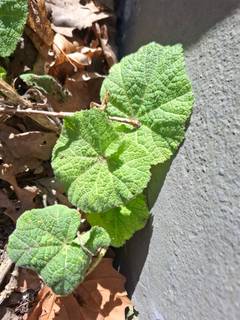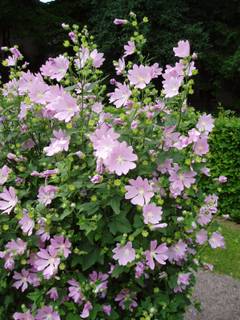
Firmiana, Genus, simplex, Species,
- Genus & species
Chinese parasol tree
Overview
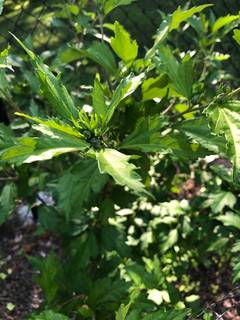
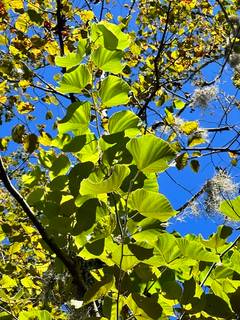
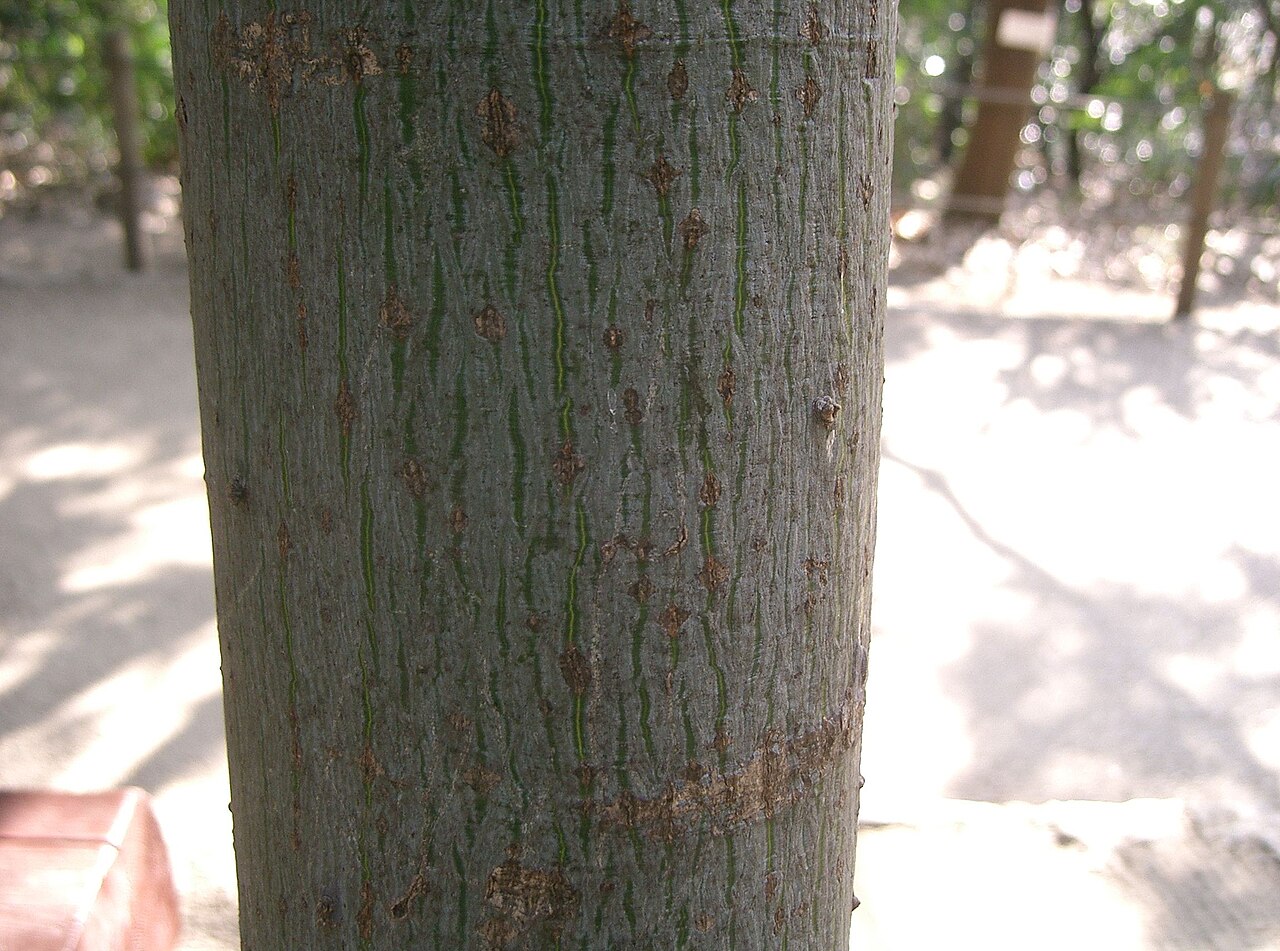
Firmiana simplex is a deciduous tree in the mallow family (Malvaceae), 30–50 feet (9–15 m) tall with a spread of 20–30 feet (6–9 m) and an upright, rounded crown. The trunk bark is smooth and green to gray-green, even on trunks 12 inches (30 cm) in diameter. Leaves are alternate, palmately 3–5 lobed, 6–12 inches (15–30 cm) wide, on petioles 6–12 inches (15–30 cm) long, medium green above with pale hairs beneath, and turn yellow in fall. Flowers are yellow-green, 0.5 inch (13 mm) wide, without petals, and borne in terminal panicles 10–20 inches (25–50 cm) long in June and July. Fruits are leaf-like follicles 3–4 inches (7–10 cm) long that split open before maturity, each carrying 2–4 round seeds 0.25 inch (6 mm) in diameter along the margins. Growth is 24–36 inches (60–90 cm) per year in youth. Wood is brittle, and branches break in ice and wind. Stems are damaged at temperatures below 0°F (−18°C). Seeds self-sow, and the species has naturalized in parts of the southeastern United States.
Native Range
Firmiana simplex is native to China, Taiwan, and Japan, where it grows in broadleaf forests and on slopes at low to mid elevations. It is cultivated across warm temperate Asia and has naturalized in parts of the southeastern United States.Suggested Uses
Planted as a shade tree and specimen in residential gardens, parks, and streets, spaced 25–30 feet (7.6–9 m) from buildings and other trees. The large leaves create dense summer shade, and seeds are roasted for food in parts of Asia.How to Identify
Appearance
Size & Dimensions
Height30' - 50'
Width/Spread20' - 30'
Bloom Information
Flowers open in June and July in panicles 10–20 inches (25–50 cm) long, with male and female flowers on the same panicle. Individual flowers lack petals and have a yellow-green calyx 0.5 inch (13 mm) wide. Follicles form from July to September and persist until fall.
Detailed Descriptions
Foliage Description
Medium greenGrowing Conditions
Sun Requirements
Requires 6-10 hours of direct sunlight daily
• Full Sun: 6+ hours of direct sunlight
• Partial Shade: 3-6 hours of direct sunlight
• Full Shade: Less than 3 hours of direct sunlight
Care & Maintenance
Care Guide
Grows in full sun to part shade in deep, moist, well-drained loam with a pH of 6.0–7.5. Hardy in USDA zones 7–9, with winter damage below 0°F (−18°C). Young trees receive 1–2 inches (25–50 mm) of water per week, and established trees tolerate short dry periods. Trees in windy sites lose branches because the wood is brittle. Verticillium wilt, canker, and spider mites are the reported problems, and fallen leaves and seed follicles require seasonal cleanup.Pruning
Pruning is done in late winter while the tree is dormant, removing dead, crossing, or storm-damaged branches. The smooth green bark is easily wounded, and cuts of more than 2 inches (5 cm) in diameter heal slowly. Branches are thinned to maintain a single leader and 3–5 scaffold limbs.Pruning Schedule
Prune: February–March
winter