Euonymus, Genus, spp., Multiple species,
- Genus
- Multiple species
spindles
Asia, Europe, North America, and Australasia
Overview
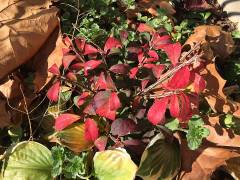
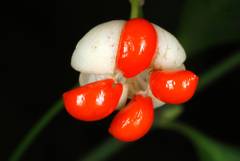
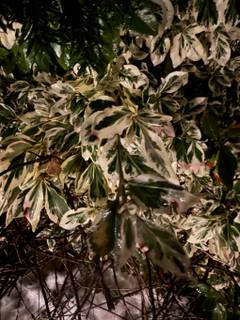
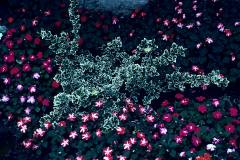
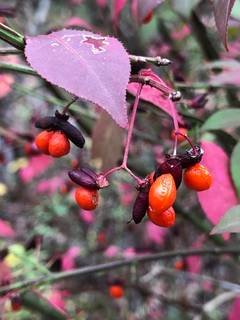
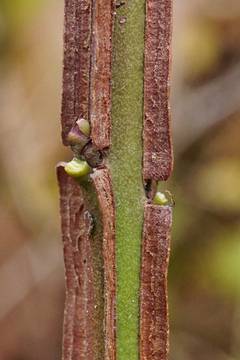
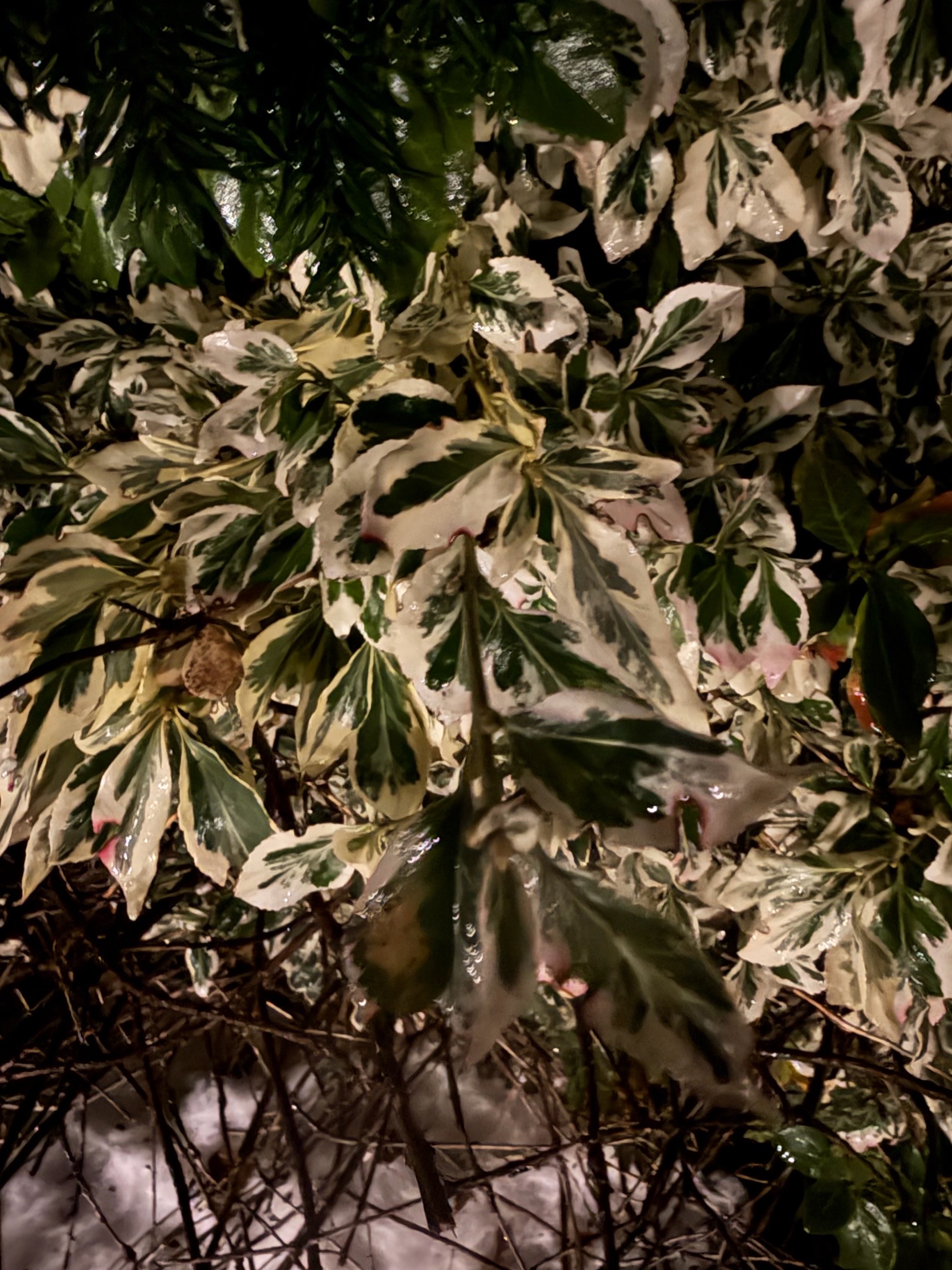
Euonymus is a genus of about 130 species of deciduous and evergreen shrubs, small trees, and climbers in the family Celastraceae, native across the Northern Hemisphere and into Australasia. Plants range from low, trailing groundcovers and self-clinging climbers such as E. fortunei to upright shrubs and small trees 6 to 20 feet (1.8 to 6 m) tall. The leaves are simple, opposite, and finely toothed, plain green in most species and brightly variegated in many cultivars. Small greenish-white flowers open in late spring but are easily overlooked; the display comes from the autumn fruit, a lobed capsule in pink, red, or white that splits to reveal seeds wrapped in orange to scarlet flesh. Deciduous species such as E. alatus turn red to purple before leaf fall. The seeds and fruit contain compounds that are poisonous to people and pets if eaten. Several species, including E. alatus and E. fortunei, are regulated as invasive in parts of the eastern United States, and the genus is prone to scale insects and powdery mildew.
Native Range
Euonymus is distributed across Asia, Europe, North America, and Australasia, with its greatest diversity in eastern Asia. North American natives include E. americanus of the southeastern woodlands and E. atropurpureus of the eastern and central states.Suggested Uses
Euonymus species are grown as hedges, foundation shrubs, groundcovers, and self-clinging climbers, with evergreen types used for year-round screening. Deciduous species are placed where their autumn color and fruit show, spaced 4 to 8 feet (1.2 to 2.4 m) apart. Low and variegated forms are used as edging and in containers.How to Identify
Appearance
Size & Dimensions
Height1' - 20'
Width/Spread3' - 10'
Bloom Information
The small greenish flowers open in late spring, usually May or June, and draw flies and small bees. The fruit ripens through late summer and splits open in autumn, when the orange-coated seeds are the main feature. Birds take the seeds and carry them well beyond the planting.
Detailed Descriptions
Flower Description
greenish-white to yellow-greenFoliage Description
green, turning red to purple in autumn in deciduous speciesGrowing Conditions
Sun Requirements
Requires 4-8 hours of direct sunlight daily
• Full Sun: 6+ hours of direct sunlight
• Partial Shade: 3-6 hours of direct sunlight
• Full Shade: Less than 3 hours of direct sunlight
Care & Maintenance
Care Guide
Most Euonymus grow in full sun to part shade on well-drained soil at pH 5.5 to 7.5 and tolerate a wide range of conditions, including dry shade and urban sites. The genus is hardy across USDA zones 4 to 9, with hardiness varying by species. Water young plants through their first two seasons; established plants tolerate short droughts. Euonymus scale is the most damaging pest and can defoliate and kill neglected plants, and powdery mildew disfigures the evergreen species in humid air. Where species are listed as invasive, native or non-spreading alternatives are available. Shearing keeps the shrubby and climbing forms dense.Pruning
Prune evergreen Euonymus in late spring after new growth hardens, and deciduous species in late winter while dormant. Shear hedge and groundcover forms once or twice in summer to keep them dense. Cut out any stems heavily crusted with scale and open up the plant for airflow.Pruning Schedule
Prune: February–March
winterearly spring
Container Growing
Suitable for container growing
Minimum container size: 3 gallons