Image 1 of 20
1 / 20
Plant Reference
Euonymus, Genus, alatus, Species, 'Compactus', Cultivar,
- Genus & species
- Cultivar
dwarf winged euonymus
Parent species {Euonymus alatus} native to northeastern Asia (China, Japan, Korea); the cultivar 'Compactus' arose in cultivation; the species is classified as invasive across 21 or more US states
Overview
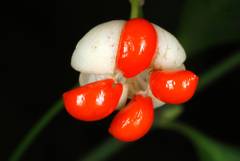
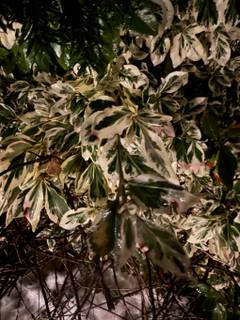
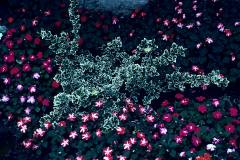
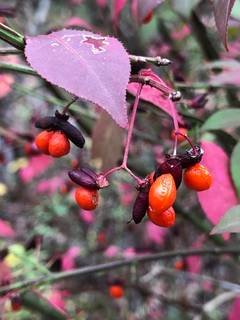
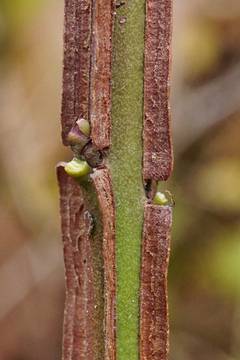
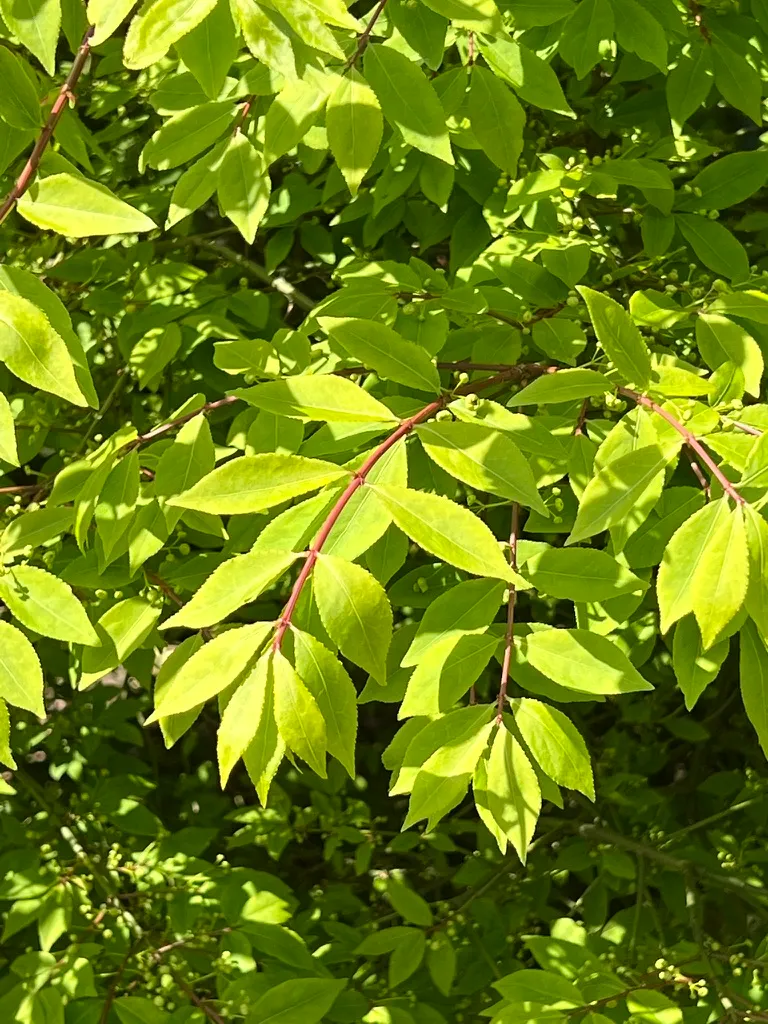
Euonymus alatus 'Compactus' is a dense spreading deciduous shrub cultivar in the family Celastraceae, reaching 6-8 feet (1.8-2.4 m) tall and wide with a dense rounded habit. The cultivar is selected from the species for its more compact size (6-8 feet vs 10-15 feet / 3-4.5 m in the species type) and the marketing name 'Compactus' refers to this reduced stature rather than to sterility — the cultivar produces viable seeds at the same rate as the species. Leaves are bright green, elliptical, 1-3 inches (2.5-7 cm) long with finely serrated margins. Fall foliage turns scarlet to magenta-red and this fall color is the main ornamental interest of the cultivar and the source of the common name 'burning bush'. Fall color intensity is strongest in full sun and fades toward pink or dull red in shaded positions. Greenish-yellow tiny 4-petaled flowers 0.2 inch (5 mm) across open in small axillary clusters in May and June, largely concealed by foliage. Red-purple capsules with orange-red arils develop in fall after pollinated flowers, and these arils are the source of seed dispersal by songbirds. Stems carry corky wing-like ridges along the bark — the wings are reduced on 'Compactus' compared to the species type but remain visible. The parent species is classified as invasive across 21 or more U.S. states in the eastern and midwestern United States including Massachusetts, New Hampshire, New York, Pennsylvania, Ohio, and Wisconsin; sale of the species and named cultivars is banned in several of these states because bird-dispersed seeds establish dense thickets in forest understories and displace native plant communities. All parts of the plant contain cardiac glycosides and are toxic to pets and humans on ingestion. Native alternatives with similar scarlet fall color include Aronia arbutifolia 'Brilliantissima', Itea virginica 'Henry's Garnet', and Fothergilla gardenii, and these substitutes are routinely specified in regions where E. alatus is prohibited or discouraged.
Native Range
Euonymus alatus is native to northeastern Asia — China, Japan, Korea, and adjacent parts of eastern Russia — where it grows on forest margins, woodland openings, and rocky slopes. The cultivar 'Compactus' arose in cultivation and does not occur in wild populations. The species was introduced to North America in the late 19th century as an ornamental shrub and has since escaped cultivation extensively in the eastern United States, where it is now classified as invasive and regulated in many states.Suggested Uses
Where cultivation is legal, planted as a foundation shrub, low formal hedge, or mass planting at 6-8 foot (1.8-2.4 m) spacing for the scarlet fall color display. Not suited to positions near natural areas, forest edges, or riparian corridors in any region because bird-dispersed seeds escape to surrounding habitats, or to jurisdictions where sale and planting are prohibited — which now includes much of the northeastern and midwestern United States. Native alternatives with similar scarlet fall color such as Aronia arbutifolia 'Brilliantissima', Itea virginica 'Henry's Garnet', and Fothergilla gardenii are substituted in regions where the species is regulated or where ecological concerns discourage planting. Pet-accessible landscapes where the toxic berries pose an ingestion risk are also not suited to the cultivar.How to Identify
Appearance
Size & Dimensions
Height6' - 8'
Width/Spread6' - 8'
Bloom Information
Greenish-yellow tiny 4-petaled flowers 0.2 inch (5 mm) across open in small axillary clusters in May and June in zones 3-8, averaging 3 weeks of bloom. Flowers are largely concealed by foliage and are not an ornamental display. Red-purple capsules 0.3 inch (8 mm) long split in fall to reveal orange-red arils containing the seeds, which are dispersed by songbirds into surrounding forests and woodland edges.
Detailed Descriptions
Flower Description
greenish-yellow; tiny, 0.2 inch (5 mm) across, 4-petaled; borne in small axillary clusters and largely concealed by foliageFoliage Description
bright green; elliptical leaves 1-3 inches (2.5-7 cm) long with finely serrated margins; turns scarlet to magenta-red in fallGrowing Conditions
Sun Requirements
Requires 1-8 hours of direct sunlight daily
• Full Sun: 6+ hours of direct sunlight
• Partial Shade: 3-6 hours of direct sunlight
• Full Shade: Less than 3 hours of direct sunlight
Care & Maintenance
Care Guide
The parent species is classified as invasive across 21 or more U.S. states including Massachusetts, New Hampshire, New York, Pennsylvania, Ohio, and Wisconsin, and sale of the species and named cultivars is banned in several of these states — local invasive-species regulations govern whether the cultivar is legal to plant in a given area. Where cultivation remains legal, plant in well-drained soil with a pH of 6.0-7.5 in full sun for the most saturated scarlet fall color; tolerated soil types include loam, clay, sand, and chalk. Part shade and full shade positions reduce fall color intensity to pink or dull red but the plant remains vigorous. Water weekly through the first 1-2 growing seasons; established plants are very drought-tolerant. Seedlings that appear near established plants from bird-dispersed seed are removed when they appear. All parts of the plant contain cardiac glycosides and are toxic to pets and humans on ingestion.Pruning
Pruning is done in late winter (February through March). The dense rounded habit is naturally self-maintaining and heavy pruning is not required on healthy specimens. Dead, damaged, or crossing branches are removed at the branch collar. The cultivar tolerates hard shearing for formal hedges in landscapes where the species is legal to cultivate, and sheared specimens produce the same fall color display as unpruned ones. Seedlings that establish near the parent shrub from bird-dispersed seed are removed at their point of origin.Pruning Schedule
Prune: February–March
early spring