Eugenia, Genus, spp., Multiple species,
- Genus
- Multiple species
stoppers
Pantropical, most diverse in tropical America
Overview
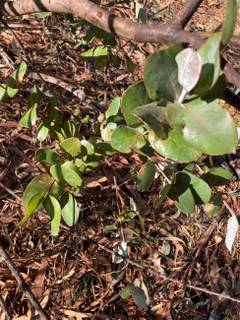
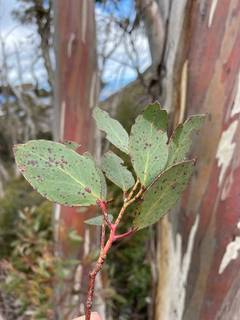
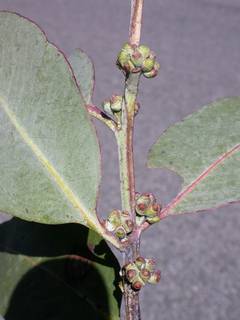
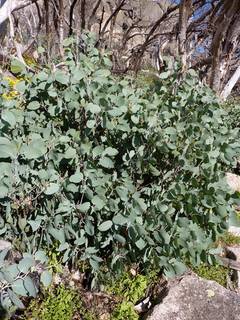
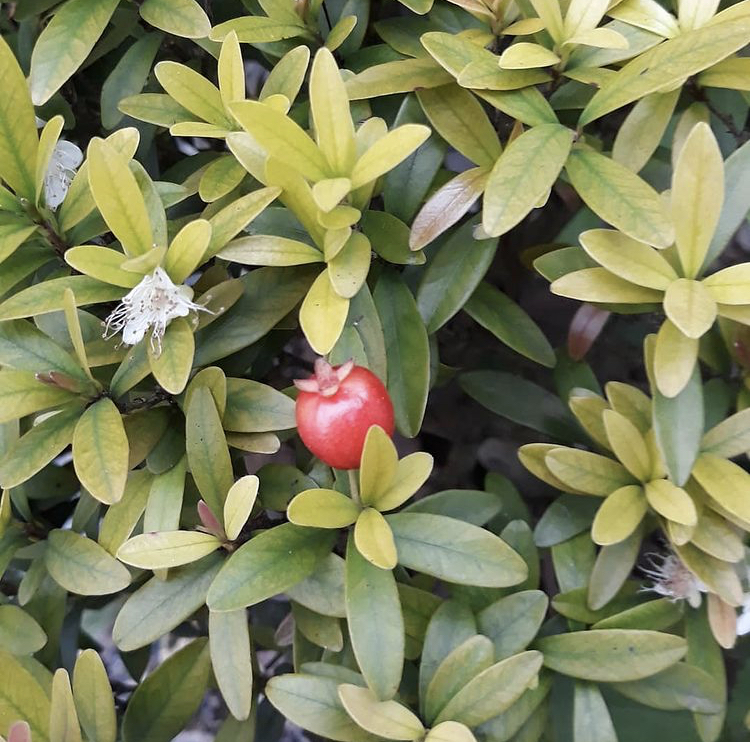
Eugenia is a large genus of more than 1,000 evergreen trees and shrubs in the myrtle family (Myrtaceae), distributed through the tropics and subtropics and most diverse in the Americas. Plants range from compact shrubs a few feet tall to forest trees reaching 50 feet (15 m), with simple, opposite, leathery leaves that are often aromatic and flushed coppery-red as they emerge. The flowers are small, white, and fluffy, built mostly from a brush of many slender stamens, and are lightly fragrant. They are followed in many species by fleshy, often brightly colored berries crowned with the persistent sepals; a number of these fruits are edible, including the ribbed red pitanga or Surinam cherry of E. uniflora and the dark grumichama of E. brasiliensis. The genus grows in moist tropical forest, coastal scrub, and subtropical hammocks on a range of soils. Most species are frost-tender and need warm, frost-free conditions. E. uniflora fruits and seeds itself freely and is treated as an invasive weed in parts of Florida, Hawaii, and other warm regions, where birds spread the seed.
Native Range
Distributed through the tropics and subtropics worldwide, with the greatest diversity in tropical America; several species are native to coastal Florida and the Caribbean, in hammocks, scrub, and moist forest.Suggested Uses
Grown as fruiting shrubs and small trees, clipped hedges, screens, and container plants in tropical and subtropical gardens. Edible-fruited species such as E. uniflora and E. brasiliensis are planted in home orchards. Because some species seed into native habitats, planting is restricted where they are listed as invasive.How to Identify
Appearance
Size & Dimensions
Height3' - 50'
Width/Spread3' - 25'
Bloom Information
Flowers mainly in spring, with flushes often following rain in tropical climates. The lightly fragrant white flowers last a few days and draw bees. Fruit ripens within weeks of flowering in the faster species, such as E. uniflora.
Detailed Descriptions
Foliage Description
green, coppery-red when newGrowing Conditions
Sun Requirements
Requires 5-12 hours of direct sunlight daily
• Full Sun: 6+ hours of direct sunlight
• Partial Shade: 3-6 hours of direct sunlight
• Full Shade: Less than 3 hours of direct sunlight
Care & Maintenance
Care Guide
Grows in full sun to partial shade on moist, well-drained soil with a pH near 5.5-7.5. Most species need steady moisture while establishing and tolerate moderate drought once rooted. Frost-free, warm conditions are needed, as growth and fruiting suffer below about 30 F (-1 C). Many species respond well to shearing and are used as clipped hedges and screens in frost-free climates. Container plants grow in a rich, free-draining mix with regular feeding through the growing season. A surface mulch keeps the roots cool and moist.Pruning
Plants tolerate regular clipping and are sheared into hedges, screens, and topiary in mild climates. Light pruning after flowering preserves the next crop of fruit, while harder cutting is done in spring. Removing ripe fruit before it drops reduces volunteer seedlings from the freely sprouting species.Pruning Schedule
Prune: March–May
early springlate spring
Container Growing
Suitable for container growing
Minimum container size: 7 gallons