Hosta, Genus, 'Empress Wu', Cultivar,
- Genus
- Cultivar
empress wu hosta
Genus from eastern Asia; cultivar bred in Wisconsin, USA
Overview
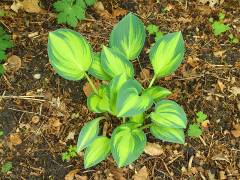
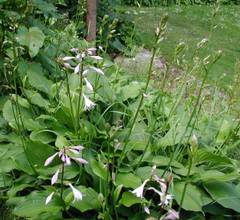
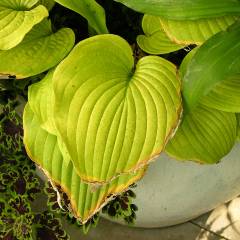
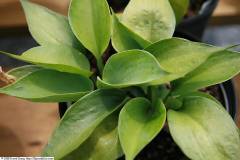
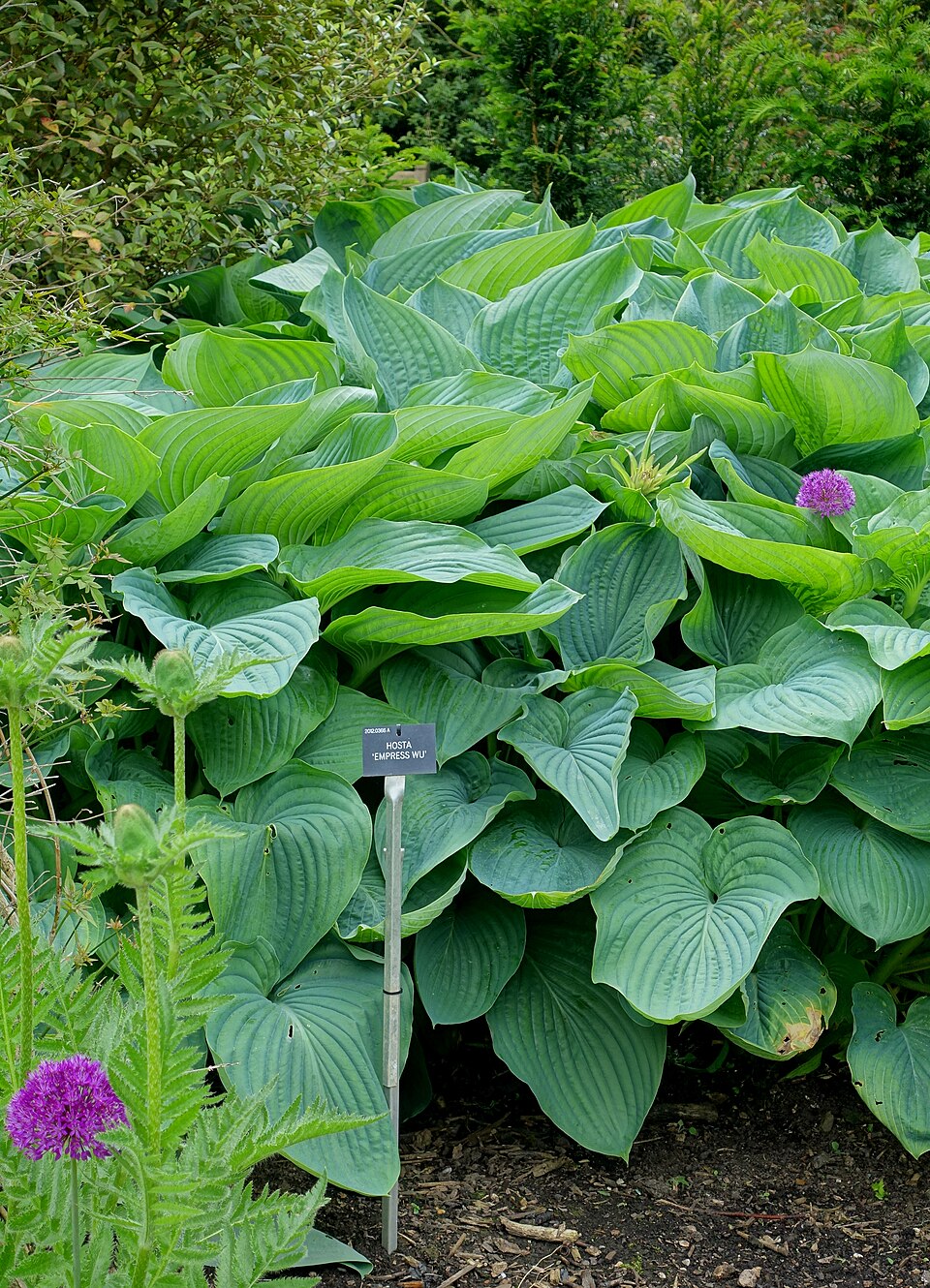
Hosta 'Empress Wu' is an upright clump-forming herbaceous perennial reaching 4-5 feet (1.2-1.5 m) tall and 5-6 feet (1.5-1.8 m) wide at maturity. Leaves are heart-shaped to broadly oval, 18-30 inches (45-76 cm) long and 18-26 inches (45-66 cm) wide, deeply ribbed, and dark green with a slightly puckered surface. Pale lavender flowers measure 2-2.5 inches (5-6 cm) long and open on scapes 5-6 feet (1.5-1.8 m) tall in midsummer. Mature leaf petioles reach 18-24 inches (45-60 cm) long and 0.75 inch (2 cm) thick. The cultivar was registered with the American Hosta Society in 2008 by Brian and Virginia Skaggs. Mature size develops over 6-8 years; first-year divisions reach only 30-40 percent of mature dimensions. Slugs feed on emerging spring shoots and produce holes in expanded leaves in cool wet weather. Hosta virus X (HVX) infects some sources and causes mottled chlorosis and tissue collapse; infected plants must be removed. Foliage dies back to the crown after first hard frost in zones 4-7.
Native Range
The genus Hosta originated in eastern Asia (Japan, Korea, China, and far-eastern Russia). 'Empress Wu' is a complex hybrid of Hosta species developed in Wisconsin, USA. Modern hosta cultivars are grown in temperate regions of North America, Europe, and Asia.Suggested Uses
Commonly planted at 6-foot (1.8 m) spacing as a single specimen in shaded borders, woodland gardens, and along shaded foundations. Used at the back of perennial borders to anchor smaller hostas and shade companions. Container culture requires a pot of at least 25 gallons (95 L) with deep watering during summer; mature size in containers rarely exceeds 60-70 percent of in-ground dimensions.How to Identify
Appearance
Size & Dimensions
Height4' - 6'
Width/Spread5' - 6'
Bloom Information
Mid-July through August in zones 4-7, with peak bloom in late July. In zones 8-9, flowering occurs in late June through July. Individual flowers last 1 day; each scape flowers for 10-14 days. Flowers carry no significant fragrance.
Detailed Descriptions
Foliage Description
Dark greenGrowing Conditions
Sun Requirements
Requires 2-6 hours of direct sunlight daily
• Full Sun: 6+ hours of direct sunlight
• Partial Shade: 3-6 hours of direct sunlight
• Full Shade: Less than 3 hours of direct sunlight
Care & Maintenance
Care Guide
Water deeply once weekly during the first 2 growing seasons; mature plants require 1-1.5 inches (2.5-3.8 cm) of water per week to maintain leaf size. Slugs cut emerging spring shoots and chew holes in expanded leaves; iron phosphate baits applied at first leaf emergence reduce damage. Deer browse heavily on hostas; physical exclusion is the only reliable control. Crown rot develops in poorly drained soils. Divide clumps every 5-7 years in early spring, before leaves expand, when the centre dies out; dig deeply to capture the woody crown. Mulch 2-3 inches (5-7 cm) deep with composted bark in autumn to suppress weeds and conserve moisture.Pruning
Cut all foliage to ground level in late autumn after first hard frost or in early spring before new growth emerges. Remove yellowed or slug-damaged leaves during the growing season. Cut spent flower scapes to the base after bloom finishes if seed pod formation is not wanted; leaving scapes for seed reduces vigor in the following year by 10-15 percent.Pruning Schedule
Prune: March & November
fallearly spring
Container Growing
Suitable for container growing
Minimum container size: 25 gallons