Elymus, Genus, spp., Multiple species,
- Genus
- Multiple species
wild ryes and wheatgrasses
Temperate regions across the Northern Hemisphere
Overview
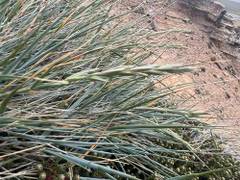
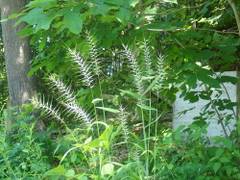
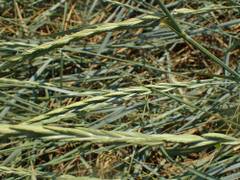
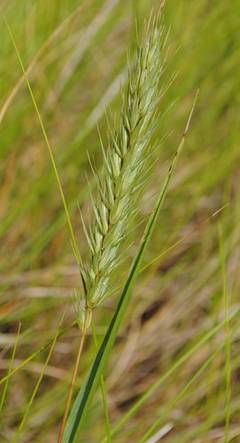
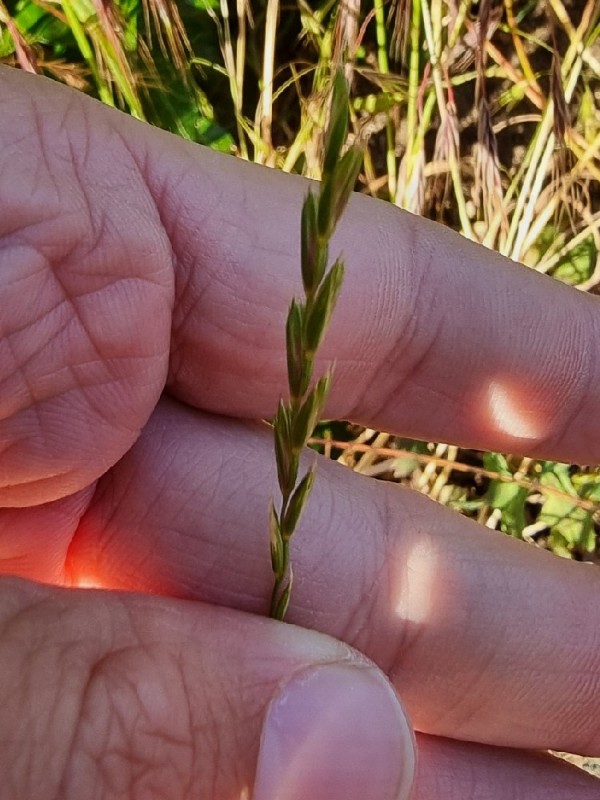
Elymus is a genus of about 150 cool-season perennial grasses in the family Poaceae, known as wild ryes and wheatgrasses, spread through temperate regions of the Northern Hemisphere. Plants form clumps or running stands 2–5 feet (60–150 cm) tall of narrow leaves in green to blue-green, topped in summer by stiff, wheat-like flower spikes with bristly awns. Some species form tight bunches while others spread by rhizomes to bind soil. The genus is native to grassland, prairie, woodland edge, dune, and streambank across North America, Europe, and Asia, with many species native to the North American prairie. Plants grow in heat and cold, tolerate drought and poor soil once established, and are widely sown for erosion control, range restoration, and roadside cover. E. canadensis, Canada wild rye, and E. hystrix, bottlebrush grass, are among the species grown in native gardens. Cool-season growth means the foliage greens up early and may go semi-dormant in summer heat. Seed of running species spreads readily, and rust and ergot can affect the spikes.
Native Range
The genus is spread across the temperate Northern Hemisphere, with many species native to the grasslands and woodlands of North America, and others in Europe and Asia. Elymus grows in prairie, open woodland, dunes, and streambanks. Plants occupy both dry, sunny sites and partly shaded ground depending on species.Suggested Uses
Elymus is grown in native and prairie gardens, meadow plantings, and for erosion control and range restoration, spaced 18–24 inches (45–60 cm) apart. The seed and cover feed birds and small wildlife, and several species are larval hosts for skipper butterflies. Running species are used to stabilize banks, dunes, and roadsides.How to Identify
Appearance
Size & Dimensions
Height2' - 5'
Width/Spread1' - 3'
Bloom Information
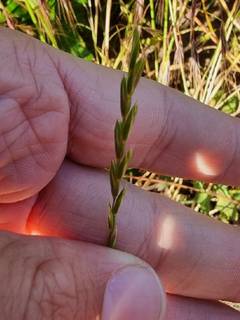
Flower spikes form in summer, roughly June through August, rising stiffly above the foliage. The awned spikes hold their shape for several weeks and fade to straw as the seed ripens. Cool-season growth brings flowering earlier than in warm-season prairie grasses.
Detailed Descriptions
Flower Description
green to tanFoliage Description
green to blue-greenGrowing Conditions
Sun Requirements
Requires 4-12 hours of direct sunlight daily
• Full Sun: 6+ hours of direct sunlight
• Partial Shade: 3-6 hours of direct sunlight
• Full Shade: Less than 3 hours of direct sunlight
Care & Maintenance
Care Guide
Plants grow in full sun to part shade on a wide range of soils, including dry, sandy, clay, and rocky ground at a pH of 5.5–8.0. Established plants withstand drought, cold, and poor fertility, and need little supplemental water. Cool-season growth greens the foliage early in spring, with some species going semi-dormant in summer heat. Running species spread by rhizomes and can move beyond where they are sown. Cutting clumps back in late winter clears old growth before the new season.Pruning
Clumps are cut back to a few inches above the ground in late winter before new growth begins. Spent spikes are removed before seed ripens where self-seeding or spread is unwanted. Running species are divided or edged to keep them within bounds.Container Growing
Suitable for container growing