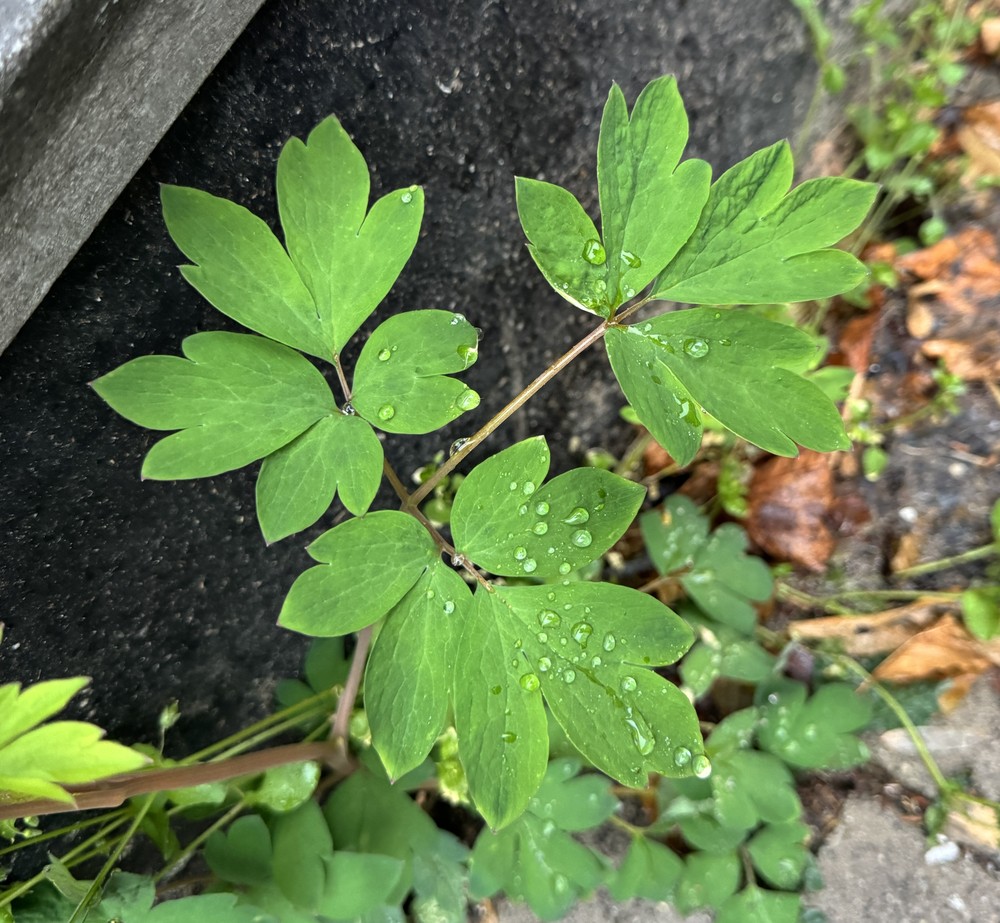
© Chris Rosmalen, some rights reserved (CC-BY-NC) · GBIF
Dicentra spectabilis
bleeding heart
Siberia, northern China, Korea, Japan
Overview
Lamprocapnos spectabilis (syn. Dicentra spectabilis) is the bleeding heart, a deciduous perennial growing 24–36 inches (60–90 cm) tall and 18–24 inches (45–60 cm) wide. Heart-shaped pendant pink flowers with white inner petals 1 inch (2.5 cm) in arching racemes of 6–15 in mid to late spring (April–June). Blue-green deeply divided compound fern-like foliage 6–12 inches (15–30 cm). The foliage yellows and dies back completely to the ground by midsummer (June–July) — this is a normal summer dormancy cycle (spring ephemeral behavior), not a disease or cultural failure. Plant later-emerging companions (Hosta spp., ferns, Astilbe spp.) to fill the gap left by the dormant bleeding heart. Reclassified from Dicentra spp. to Lamprocapnos spp. in 2011 based on molecular phylogenetics — the genus Dicentra spp. is now restricted to the North American native species (D. eximia, D. formosa). In the poppy family (Papaveraceae spp.), subfamily Fumarioideae. 'Alba' is the white-flowered form. 'Gold Heart' has golden-yellow foliage with pink flowers. Hummingbird-visited. All parts contain isoquinoline alkaloids — toxic (skin irritant, gastrointestinal distress if ingested). Consistent moisture in spring. Partial shade. Deer-resistant (toxic). Zones 3–9. Growth rate is moderate.
Native Range
Native to Siberia, northern China, Korea, and Japan, growing in shaded forests and woodland edges.Suggested Uses
Grown in shade borders and woodland gardens in zones 3–9. The heart-shaped spring flowers and the fern-like foliage are the features. Plan companion plantings for the midsummer dormancy gap. 'Alba' for white flowers. Hummingbird-visited. All parts toxic. Deer-resistant.How to Identify
Appearance
Size & Dimensions
Height2' - 3'
Width/Spread1'6" - 2'
Reaches mature size in approximately 3 years
Bloom Information
Mid to late spring (April–June), lasting 4–6 weeks. Heart-shaped pendant flowers in arching racemes of 6–15. The foliage dies back by midsummer — plan companion plantings for the gap. Hummingbird-visited.
Detailed Descriptions
Flower Description
Pink with white inner petals (or all-white in 'Alba'); heart-shaped, pendant, 1 inch (2.5 cm), in arching racemes of 6-15Foliage Description
Blue-green, deeply divided, compound, fern-like, 6-12 inches (15-30 cm); the foliage dies back to the ground by midsummerGrowing Conditions
Sun Requirements
Requires 3-6 hours of direct sunlight daily
• Full Sun: 6+ hours of direct sunlight
• Partial Shade: 3-6 hours of direct sunlight
• Full Shade: Less than 3 hours of direct sunlight
Care & Maintenance
Care Guide
Partial shade. Consistent moisture in spring. The foliage dies back by midsummer (normal dormancy — not disease). Plant companions (hostas, ferns) to fill the gap. Reclassified from Dicentra to Lamprocapnos. All parts toxic (isoquinoline alkaloids). Deer-resistant. Zones 3–9.Pruning
Cut the yellowed foliage to the ground when it collapses in midsummer (June–July). No other pruning needed. Mark the dormant location to avoid accidental digging.Pruning Schedule
J
F
M
A
M
J
J
A
S
O
N
D
summer
Container Growing
✓ Suitable for container growing
Minimum container size: 5 gallons