Dicentra, Genus, canadensis, Species,
- Genus & species
squirrel corn
Overview
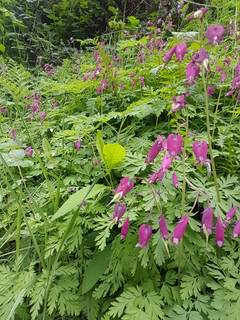
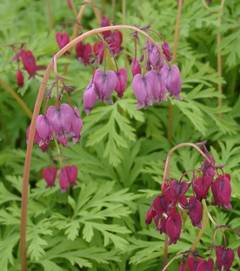
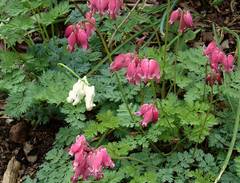
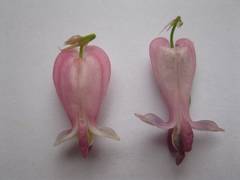
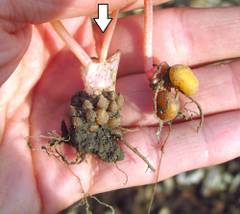
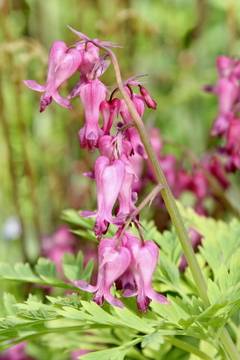
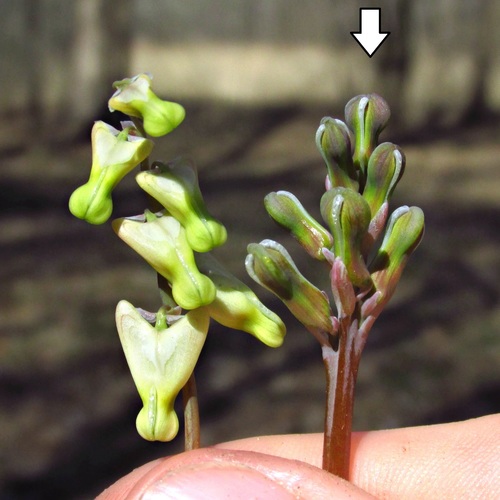
Dicentra canadensis is a low spring ephemeral perennial in the poppy family, growing 6-12 inches (15-30 cm) tall from a cluster of small yellow tubers that resemble grains of corn, the source of its common name. The blue-green basal leaves are finely divided into many narrow segments, forming a lacy mound. In spring it bears nodding, heart-shaped white flowers about 0.75 inch (18 mm) long, tipped with pale yellow and faintly fragrant, carried in arching racemes above the foliage. By early summer the whole plant dies back and goes dormant underground. It is native to the rich deciduous woodlands of eastern North America. All parts contain isoquinoline alkaloids that are toxic if eaten, and the sap can irritate sensitive skin. It needs cool, moist, humus-rich soil and shade, and its brief above-ground season leaves a gap in the planting once it goes dormant.
Native Range
Dicentra canadensis is native to eastern North America, from Quebec and Ontario south to North Carolina and Tennessee and west to Minnesota and Missouri. It grows in rich, moist deciduous forest, often alongside other spring wildflowers.Suggested Uses
Grown in shade and woodland gardens and native plant collections for early spring bloom. It pairs with later-emerging shade perennials that fill the gap left when it goes dormant. The lacy foliage and fragrant flowers suit naturalized drifts under trees.How to Identify
Appearance
Size & Dimensions
Height6" - 1'
Width/Spread6" - 1'
Bloom Information
The heart-shaped white flowers open in spring, roughly April to May, slightly later than the related Dicentra cucullaria. Bloom lasts two to three weeks before the foliage yellows. The plant is dormant by early summer.
Detailed Descriptions
Flower Description
white tipped with yellowFoliage Description
blue-greenGrowing Conditions
Sun Requirements
Tolerates up to 4 hours of direct sunlight daily
• Full Sun: 6+ hours of direct sunlight
• Partial Shade: 3-6 hours of direct sunlight
• Full Shade: Less than 3 hours of direct sunlight