Dicentra, Genus, 'Luxuriant', Cultivar,
- Genus
- Cultivar
luxuriant bleeding heart
Hybrid of garden origin (D. formosa × D. eximia)
Overview
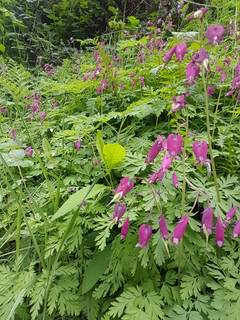
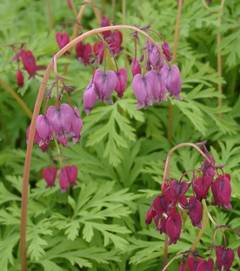
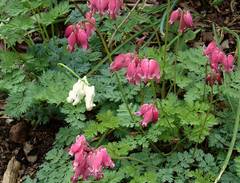
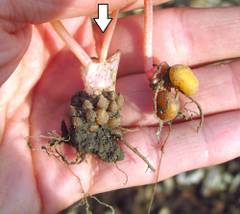
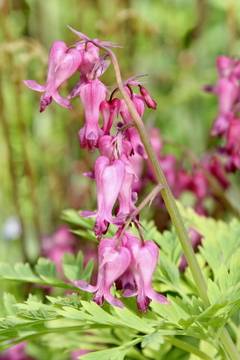
Dicentra 'Luxuriant' is a vigorous, spreading, rhizomatous, herbaceous perennial reaching 12–15 inches (30–38 cm) tall with a spread of 18–24 inches (45–60 cm). The hybrid (D. formosa × D. eximia) carries pendant, heart-shaped flowers 0.75–1 inch (2–2.5 cm) long in deep rose-pink to cherry-red, borne in arching racemes of 5–12 from April through September. The cultivar holds a reputation for heavy, persistent repeat bloom throughout the growing season—the 18–22 week bloom duration matches or exceeds the other commonly grown Dicentra hybrids. The finely divided, fern-like foliage is blue-green—less silvery than 'King of Hearts' and less gray than 'Langtrees.' The rhizomes spread readily and the cultivar can become aggressive in moist, rich soils, covering ground faster than 'Bacchanal' or 'Langtrees' and matching 'Luxuriant' as the quickest-spreading commercial D. formosa hybrid. Growth rate is fast for a bleeding heart. The foliage remains fresh through summer under consistent soil moisture. Goes dormant in late fall. Cold hardiness reaches zone 3 (−40°F / −40°C)—the hardiest cold tolerance of the bleeding hearts in this collection. Tolerates more sun than other bleeding hearts when moisture is consistent. All parts contain isoquinoline alkaloids and are toxic to humans and pets.
Native Range
Dicentra 'Luxuriant' is a hybrid of garden origin from the cross D. formosa × D. eximia. The D. formosa parent is native to western North America (British Columbia to central California); the D. eximia parent is native to the Appalachian Mountains of eastern North America from western New York to Georgia. The cross combines the heat tolerance of the eastern species with the cold hardiness of the western species.Suggested Uses
Planted as a groundcover, shade-garden filler, or woodland border at 18–24 inch (45–60 cm) spacing. The vigorous spread covers ground rapidly in moist shade, making the cultivar a functional groundcover for larger shade areas where coverage is the priority over long-term containment. The April–September bloom season and persistent foliage fill shade-garden gaps through the full growing season. Grows in containers of at least 5 gallons (19 L). Pair with hostas, ferns, and astilbes in plantings where the cultivar has room to spread. Small contained beds without room to manage the spread, full-sun exposures without consistent moisture, and dry soils are poor fits—the first two produce rapid overrun of neighbors, the third triggers early dormancy.How to Identify
Appearance
Size & Dimensions
Height1' - 1'3"
Width/Spread1'6" - 2'
Bloom Information
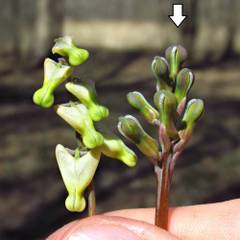
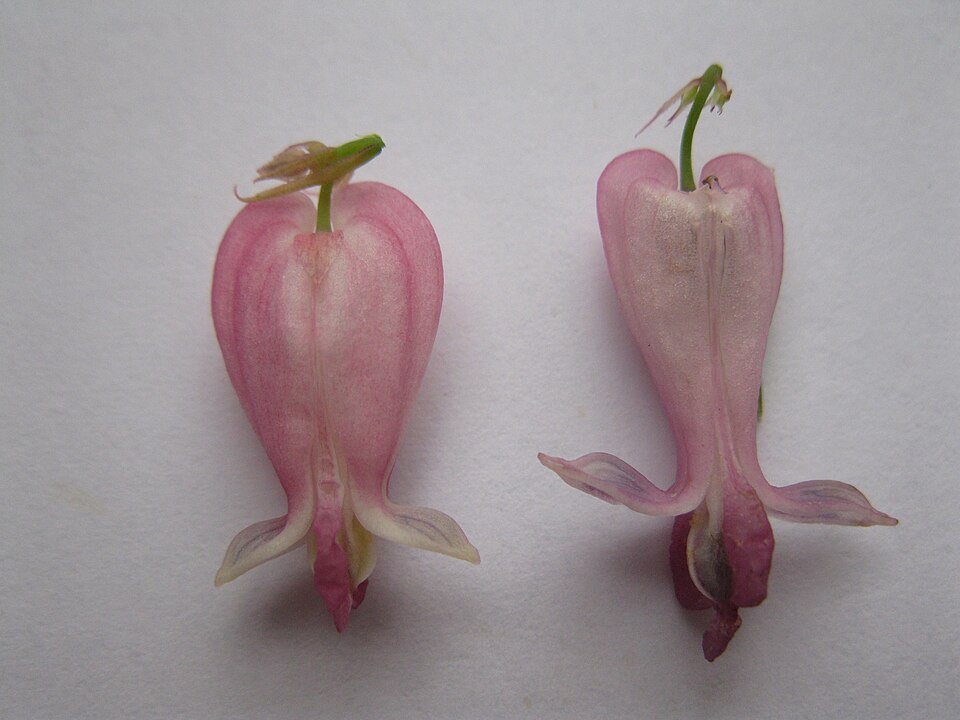
Pendant, heart-shaped, deep rose-pink to cherry-red flowers 0.75–1 inch (2–2.5 cm) long hang in arching racemes from April through September. Heavy, persistent repeat bloom carries the cultivar through the full growing season. Bloom duration is 18–22 weeks with active deadheading. Hummingbirds visit the flowers.
Detailed Descriptions
Flower Description
Deep rose-pink to cherry-red, pendant heart-shapedFoliage Description
Blue-green, finely divided, fern-likeGrowing Conditions
Sun Requirements
Requires 3-6 hours of direct sunlight daily
• Full Sun: 6+ hours of direct sunlight
• Partial Shade: 3-6 hours of direct sunlight
• Full Shade: Less than 3 hours of direct sunlight
Care & Maintenance
Care Guide
Plant in partial shade to partial sun in moist, well-drained, humus-rich soil. Tolerates more sun than other bleeding hearts when soil stays consistently moist—full morning sun with afternoon shade is a functional option. The fastest-spreading selection in the collection, moving 8–14 inches (20–35 cm) per year in rich, moist soils; siting with room to expand or containing with a buried root barrier at 10–12 inches (25–30 cm) deep manages the spread. Consistent moisture is essential. Hardy to zone 3. Slugs and snails damage emerging foliage in spring and can be reduced through iron phosphate baits around the crown. All parts are toxic; handling during division or cutback is done with gloves as a practical precaution.Pruning
Spent flower stems are removed to encourage repeat bloom. All foliage is cut back after it yellows in late fall. Spreading colonies are divided every 2–3 years to control the spread and maintain vigor—more frequently than for the slower-spreading 'King of Hearts' or 'Langtrees.'Pruning Schedule
Prune: November
fall
Container Growing
Suitable for container growing
Minimum container size: 5 gallons