Davallia, Genus, spp., Multiple species,
- Genus
- Multiple species
rabbit's foot ferns
Tropical Asia, the Pacific, Australia, and Africa
Overview
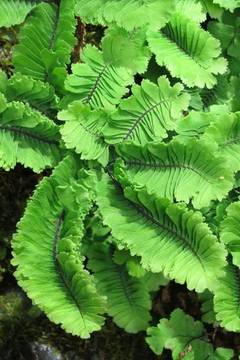
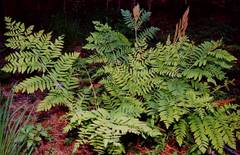
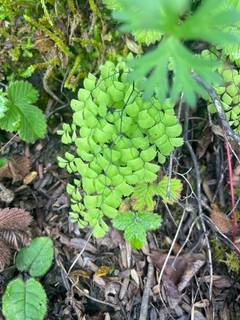
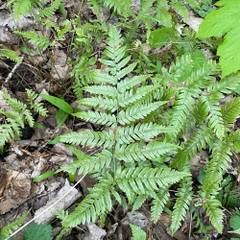
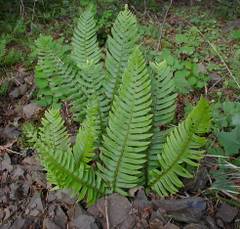
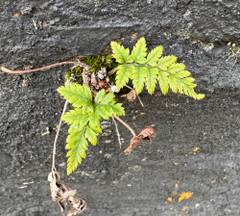
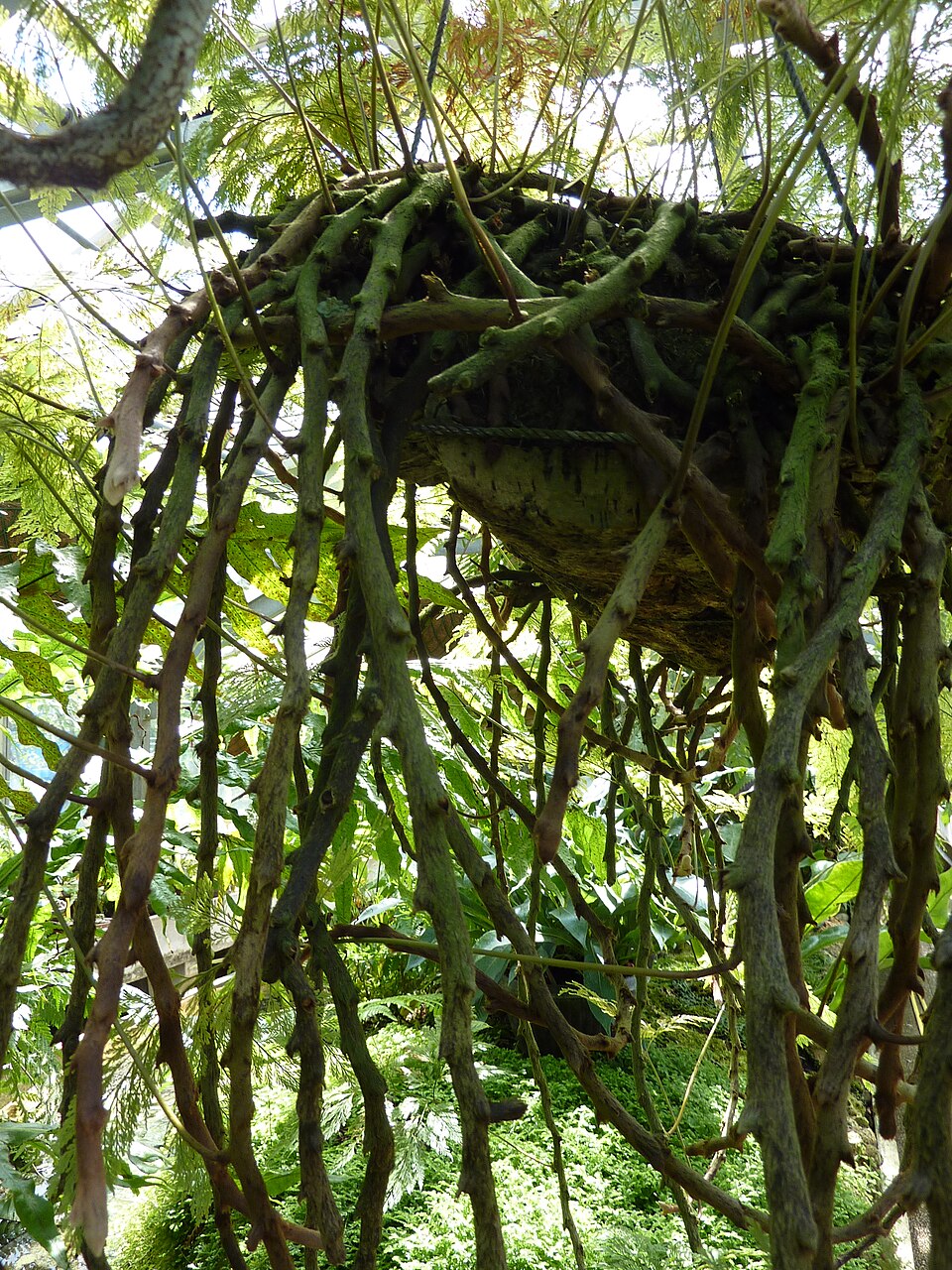
Davallia is a genus of about 40 species of mostly epiphytic and rock-dwelling ferns in the family Davalliaceae, native to warm regions of Asia, the Pacific, Australia, and Africa. The defining feature is the creeping rhizome, which is densely covered in pale brown to silvery scales and crawls across the surface of bark, rock, or potting mix, giving the common names rabbit's foot and squirrel's foot fern. From the rhizome rise finely divided, triangular, leathery fronds 15-45 cm (6-18 in) long on wiry stalks. The plants spread as the furry rhizomes branch and trail, often draping over the edge of a pot or basket. Most species are evergreen in warm conditions, though some drop their fronds in cool or dry spells. They are frost-tender and are grown as houseplants or in frost-free gardens. As epiphytes they grow poorly in heavy, wet potting mix and need an open, fast-draining medium and steady humidity.
Native Range
Davallia is native to tropical and subtropical Asia, the Pacific islands, Australia, and parts of Africa, growing as an epiphyte on tree trunks and branches or on rocks in forest and woodland.Suggested Uses
Grown as houseplants and conservatory ferns in pots, hanging baskets, and on mounts, where the furry rhizomes trail over the edges. In frost-free gardens they are grown on trees, walls, and rockwork as epiphytes. D. mariesii is grown in mild gardens for ground and rock cover.How to Identify
Appearance
Size & Dimensions
Height6" - 1'6"
Width/Spread1' - 3'
Bloom Information
Ferns do not flower; Davallia reproduces by spores carried in small cup- or pocket-shaped sori along the frond margins. Spores ripen mainly in the warm season. New fronds unfurl from the creeping rhizome through the growing period.
Detailed Descriptions
Foliage Description
bright to mid greenGrowing Conditions
Sun Requirements
Requires 2-5 hours of direct sunlight daily
• Full Sun: 6+ hours of direct sunlight
• Partial Shade: 3-6 hours of direct sunlight
• Full Shade: Less than 3 hours of direct sunlight
Care & Maintenance
Care Guide
Most species grow in bright, indirect light in warm, humid conditions and an open, fast-draining epiphytic mix of bark, perlite, and peat or coir. The creeping rhizome is left resting on the surface rather than buried, as covering it leads to rot. Plants are kept evenly moist in growth and a little drier in winter, and are damaged by frost and by cold tap water. Humidity below about 50 percent browns the frond tips, so they hold their foliage better with misting or in a humid spot. Pests under cover include scale and mealybugs, which shelter among the rhizome scales.Pruning
Old, browned, or frost-damaged fronds are cut off at the base to keep the plant fresh. The furry rhizomes are left intact, as they carry the growing points and store reserves. Overlong rhizomes can be pinned back onto the mix or trimmed and used as cuttings.Pruning Schedule
Prune: March
early spring
Container Growing
Suitable for container growing
Minimum container size: 1 gallons