Image 1 of 6
1 / 6
Plant Reference
Daphne, Genus, odora, Species, 'Aureomarginata', Cultivar,
- Genus & species
- Cultivar
variegated winter daphne
Species native to China and Japan; the 'Aureomarginata' cultivar is a garden selection of the species; species is found in mountain forests and shaded rocky slopes in its native range
Overview
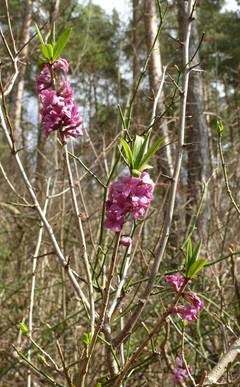
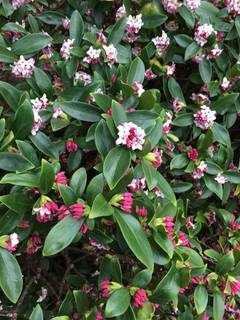
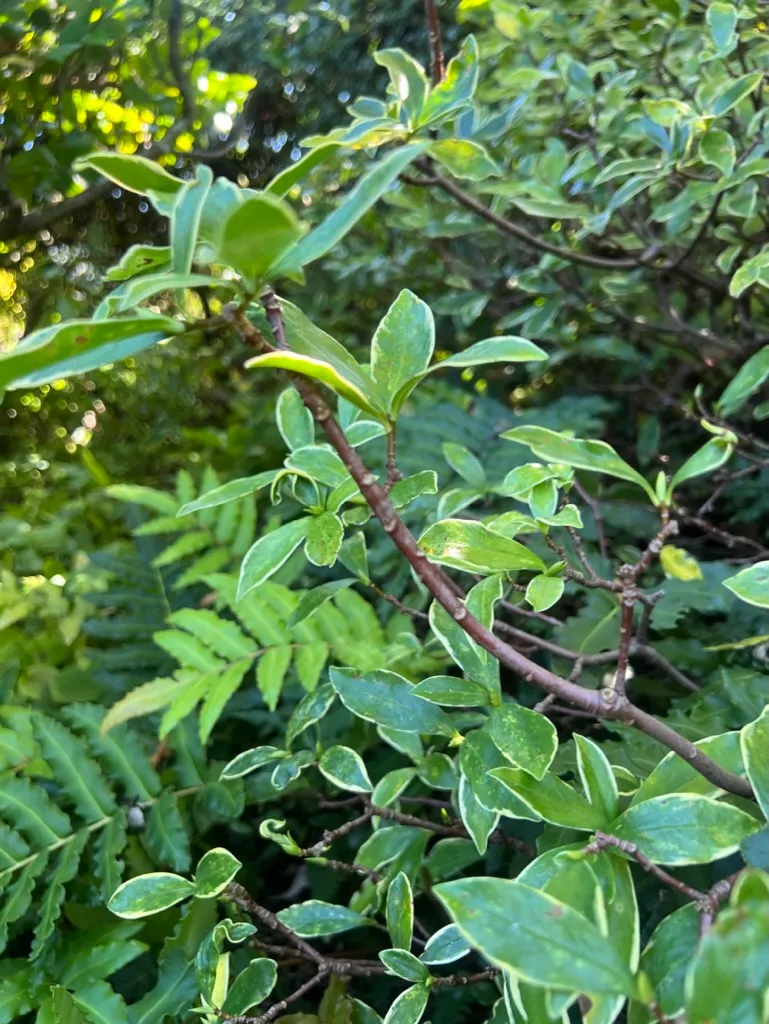
Daphne odora 'Aureomarginata' is a compact mounding broadleaf evergreen shrub in the family Thymelaeaceae growing 3–4 feet (0.9–1.2 m) tall and 3–5 feet (0.9–1.5 m) wide from a woody base that produces a rounded dense canopy. The specific epithet odora is Latin for fragrant and refers to the intensely sweet winter flower scent that is the main ornamental character of the species, and the cultivar name 'Aureomarginata' is Latin for gold-margined and refers to the narrow cream to pale yellow variegation along the leaf edges that separates this cultivar from the plain green species-type D. odora. The variegated cultivar is hardier than the all-green species type — 'Aureomarginata' tolerates temperatures down to approximately 5 °F (−15 °C) while the plain-green species type is reliably hardy only to 10 °F (−12 °C) — and this increased cold hardiness combined with the stable non-reverting variegation is the reason that 'Aureomarginata' has become the more widely cultivated form across cooler garden regions in zones 7 and 8. Leaves are glossy dark green with narrow cream to pale yellow margins, oval-elliptic, leathery, 2–3 inches (5–7 cm) long, and arranged alternately along the stems — the variegation is stable and the cultivar does not revert to plain green growth as some variegated shrubs do. Rosy-purple buds open to pinkish-white tubular 4-lobed flowers 0.4 inch (10 mm) long in dense terminal clusters of 10–15 at the branch tips from January through March across a 6–7 week bloom period, and the flowers carry an intensely sweet penetrating fragrance that is detectable from 15–20 feet (4.5–6 m) from the plant and that scents the surrounding garden air during the winter bloom window. Limitation: the species is prone to sudden unexplained death after 5–10 years of apparently healthy growth — this unpredictable mortality is a trait shared across the genus Daphne — and the primary documented cause of premature death in D. odora specifically is root rot from Phytophthora species in waterlogged soil, so strict attention to drainage and avoidance of any accumulation of mulch or organic matter over the crown of the plant support long-term survival. Well-drained soil is a cultural requirement, and the crown of the plant is kept free of mulch and piled organic matter because crown moisture from these materials triggers Phytophthora infection. All parts — bark, leaves, flowers, and berries — contain daphnin (a coumarin glycoside) and mezerein (a diterpene ester) and are toxic to humans, cats, and dogs if ingested; the sap can cause contact dermatitis on sensitive skin. Leather gloves are warranted during any pruning operation. Native to China and Japan in mountain forests and shaded rocky slopes. Not drought-tolerant. Deer-resistant because of the coumarin and diterpene content.
Native Range
Parent species Daphne odora is native to China and Japan, growing in mountain forests and shaded rocky slopes at middle elevations where cool moist summers and mild winters support year-round evergreen growth. The cultivar 'Aureomarginata' is a garden selection of the species, and the hardiness advantage over the plain-green species type (tolerating temperatures down to 5 °F / −15 °C versus 10 °F / −12 °C for the species type) has made the cultivar the more widely cultivated form across cooler garden regions in zones 7 and 8.Suggested Uses
Used as a fragrant specimen shrub near doorways, walkways, patios, and seating areas where the winter bloom fragrance is accessible (the scent carries 15–20 feet from the plant and reliably scents the approach to the front door or the patio during the January through March bloom), in mixed shrub borders, and in containers of at least 10 gallons (38 L) at 3–5 foot (0.9–1.5 m) spacing between plants in USDA zones 7 through 9. The winter bloom timing fills the bloom gap that most other flowering shrubs do not cover in the cold months, and the year-round cream-margined variegated glossy evergreen foliage supplies an ornamental display through the non-bloom seasons. Waterlogged positions, heavy clay soils without drainage amendment, and sites where crown mulching would trap moisture against the root collar are unsuitable because of the root rot sensitivity and the sudden-death mortality pattern of the species. Gardens where cat, dog, or child access to the foliage is a concern should account for the daphnin and mezerein toxicity.How to Identify
Appearance
Size & Dimensions
Height3' - 4'
Width/Spread3' - 5'
Bloom Information
Rosy-purple buds open to pinkish-white tubular 4-lobed flowers 0.4 inch (10 mm) long in dense terminal clusters of 10–15 at the branch tips from January through March across a 6–7 week bloom period. The flowers carry an intensely sweet penetrating fragrance that is detectable from 15–20 feet (4.5–6 m) from the plant and that scents the surrounding garden air during the winter bloom window. The winter flowering fills a bloom gap that most other flowering shrubs do not cover in the cold months, and early-season honeybees work the flowers on warm winter days when they emerge from the hive.
Detailed Descriptions
Flower Description
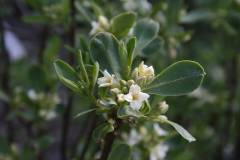
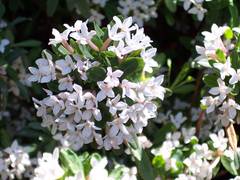
rosy-purple buds opening to pinkish-white tubular 4-lobed flowers 0.4 inch (10 mm) long carried in dense terminal clusters of 10-15 at the branch tips; strongly fragrant with an intensely sweet penetrating scent that is detectable from 15-20 feet (4.5-6 m) and that is among the strongest fragrances carried by any winter-blooming shrub in cultivationFoliage Description
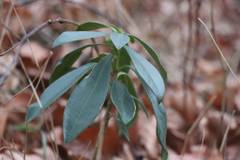
glossy dark green with narrow cream to pale yellow margins; oval-elliptic leathery leaves 2-3 inches (5-7 cm) long arranged alternately along the stems; the variegation is stable and the cultivar does not revert to plain green growth; evergreen year-roundGrowing Conditions
Sun Requirements
Requires 3-6 hours of direct sunlight daily
• Full Sun: 6+ hours of direct sunlight
• Partial Shade: 3-6 hours of direct sunlight
• Full Shade: Less than 3 hours of direct sunlight
Care & Maintenance
Care Guide
Site in part sun with 3–6 hours of direct sun per day, typically in morning-sun positions with afternoon shade. Well-drained loam or sandy soil with a pH of 6.0–7.0 is a strict cultural requirement because the cultivar is prone to root rot from Phytophthora species in waterlogged soil, and the crown of the plant is kept free of mulch and piled organic matter because crown moisture from these materials triggers Phytophthora infection. The cultivar is not drought-tolerant and calls for consistent moisture through the growing season — balanced between the drainage requirement and the moisture requirement. The species is prone to sudden unexplained death after 5–10 years of apparently healthy growth, and root rot is the primary documented cause of premature death. All parts contain daphnin and mezerein and are toxic to humans, cats, and dogs if ingested; the sap can cause contact dermatitis on sensitive skin. Leather gloves are warranted during any pruning operation. Deer-resistant. Hardy in USDA zones 7–9 (the cultivar tolerates 5 °F / −15 °C versus 10 °F / −12 °C for the plain-green species type).Pruning
Light pruning after flowering (April) is done to maintain shape, and the natural compact mounding form is self-maintaining and does not call for heavy pruning. Dead or damaged branches are removed at any time of year. Hard renovation pruning is poorly tolerated and is avoided because Daphne species do not reliably regenerate from old bare wood cuts, and severe cutback can trigger sudden death of the entire plant. Leather gloves are warranted during any pruning operation because the cut stems release sap containing daphnin and mezerein that can cause contact dermatitis on sensitive skin.Pruning Schedule
Prune: April
late spring
Container Growing
Suitable for container growing
Minimum container size: 10 gallons