Image 1 of 13
1 / 13
Plant Reference
Daphne, Genus, mezereum, Species,
- Genus & species
february daphne
Europe from the British Isles east through Scandinavia and Russia to Turkey and western Asia; mountain forests and calcareous scrub
Overview
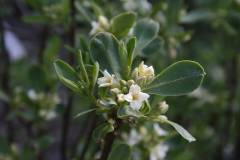
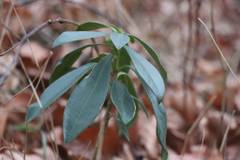
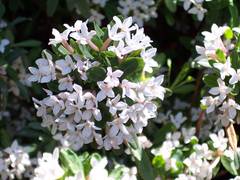
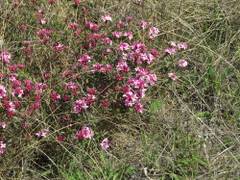
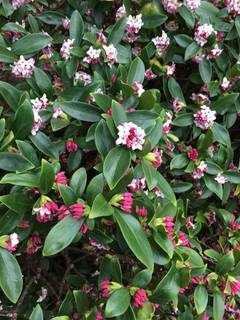
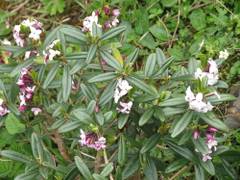
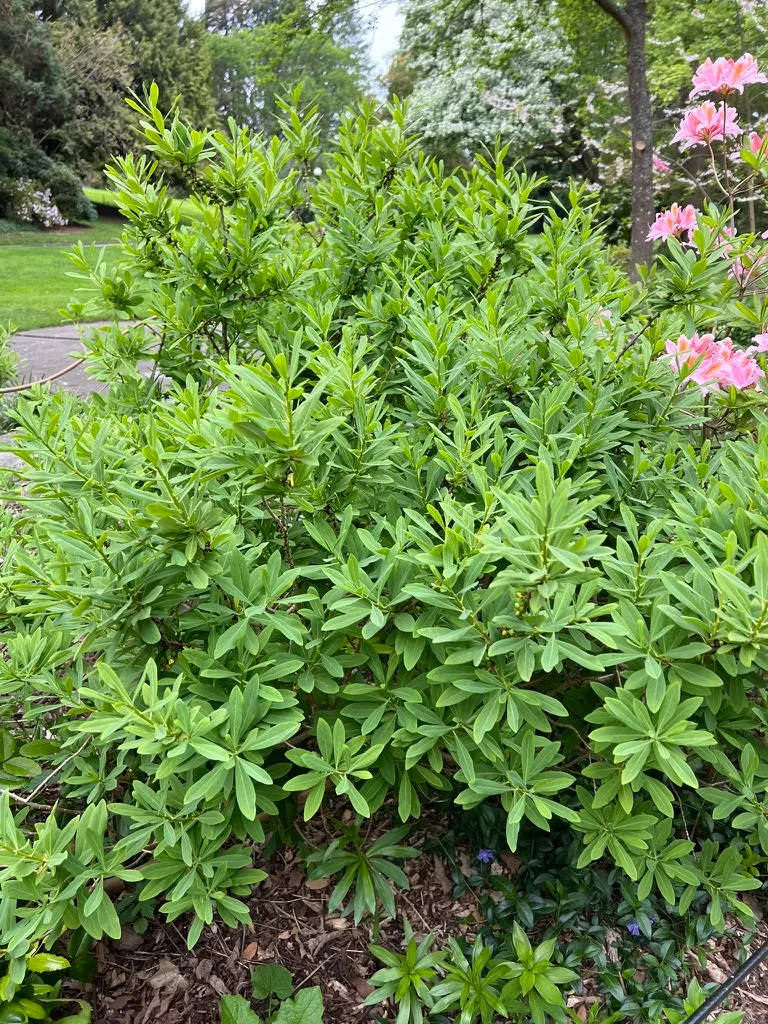
Daphne mezereum is an upright deciduous shrub in the family Thymelaeaceae reaching 3–5 feet (0.9–1.5 m) tall and 2–3 feet (0.6–0.9 m) wide. Leaves are lance-shaped, 2–3 inches (5–7 cm) long, medium green, clustered at the stem tips, and turn yellow in fall before dropping. Rosy-purple tubular flowers 0.5 inch (1.3 cm) long open in dense clusters along the bare stems in February and March before the leaves emerge; forma 'Alba' carries white flowers. The flowers carry a strong sweet fragrance that draws early-season bees, and the species is among the first woody plants to flower in temperate European gardens. Bright red (or yellow in 'Alba') drupes 0.3 inch (8 mm) across ripen along the stems in June and July. All parts of the plant contain the diterpene ester mezerein and the coumarin glycoside daphnin; these compounds cause severe burning of the mouth, throat, and stomach if ingested, ingestion of a small number of berries can be fatal in children and small pets, and the sap causes contact dermatitis in sensitive individuals during pruning and handling. Limitation: Daphne species are short-lived and prone to sudden death without visible cause, typical lifespan is 5–15 years, the species resents transplanting, root disturbance, and hard pruning, and the combination of high toxicity in all plant parts and the bright red berries makes the shrub poorly suited to gardens used by unsupervised children or grazing pets.
Native Range
Native to Europe from the British Isles east through Scandinavia and Russia to Turkey and western Asia, growing in mountain forests and on calcareous scrub slopes.Suggested Uses
Used as a specimen shrub near entryways, paths, and windows where the February through March fragrance on bare stems will be noticed during the winter garden season, at 2–3 foot (0.6–0.9 m) spacing from adjacent plants. Container culture is possible in pots of at least 5 gallons (19 L) with well-drained mix. Gardens used by unsupervised children or by pets that browse ornamental plantings are unsuitable because all parts of the shrub are toxic and the bright red ripe drupes are the most hazardous stage.How to Identify
Appearance
Size & Dimensions
Height3' - 5'
Width/Spread2' - 3'
Bloom Information
Rosy-purple tubular flowers 0.5 inch (1.3 cm) long open in dense clusters along the bare stems from February through March before the leaves emerge, lasting about 3 weeks; forma 'Alba' carries white flowers. Bright red (or yellow in 'Alba') drupes 0.3 inch (8 mm) across develop through spring and ripen along the stems in June and July.
Detailed Descriptions
Flower Description
rosy-purple in the species, or white in forma 'Alba'; tubular, 0.5 inch (1.3 cm) long, in dense clusters along the bare stems before leaf emergence; strongly fragrantFoliage Description
medium green; lance-shaped, 2-3 inches (5-7 cm) long, clustered at the stem tips; turns yellow in fall before droppingGrowing Conditions
Sun Requirements
Requires 3-6 hours of direct sunlight daily
• Full Sun: 6+ hours of direct sunlight
• Partial Shade: 3-6 hours of direct sunlight
• Full Shade: Less than 3 hours of direct sunlight
Care & Maintenance
Care Guide
Site in part shade with 3–6 hours of direct sun per day in well-drained neutral to slightly alkaline soil with a pH of 6.0–7.5. The species tolerates calcareous soils but does not tolerate drought, and soil moisture should remain consistent through the growing season. Root disturbance causes decline, and the species should be installed as a small container-grown plant in its permanent position because transplanting established plants is usually unsuccessful. Hard pruning into old bare wood frequently causes death of the affected branch or the whole plant, so shaping is limited to light tip removal after flowering. All parts of the plant are toxic and the sap causes contact dermatitis in sensitive individuals. Hardy in USDA zones 4–8. Routine fertilization is not required.Pruning
Light tip pruning is done after flowering in March and April, removing only the ends of overly long stems. Cuts into old bare wood are unsafe because Daphne species resent hard pruning and often die back from renovation cuts; minimal pruning is the safest approach. The sap causes contact dermatitis in sensitive individuals, and leather gloves are warranted during any pruning operation.Pruning Schedule
Prune: March–April
early spring
Container Growing
Suitable for container growing
Minimum container size: 5 gallons