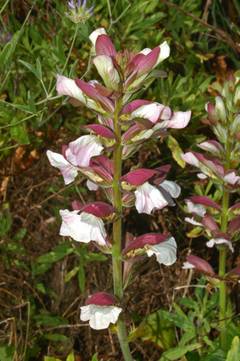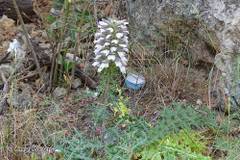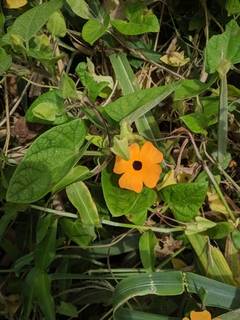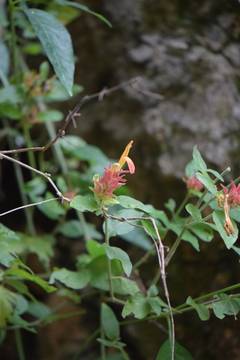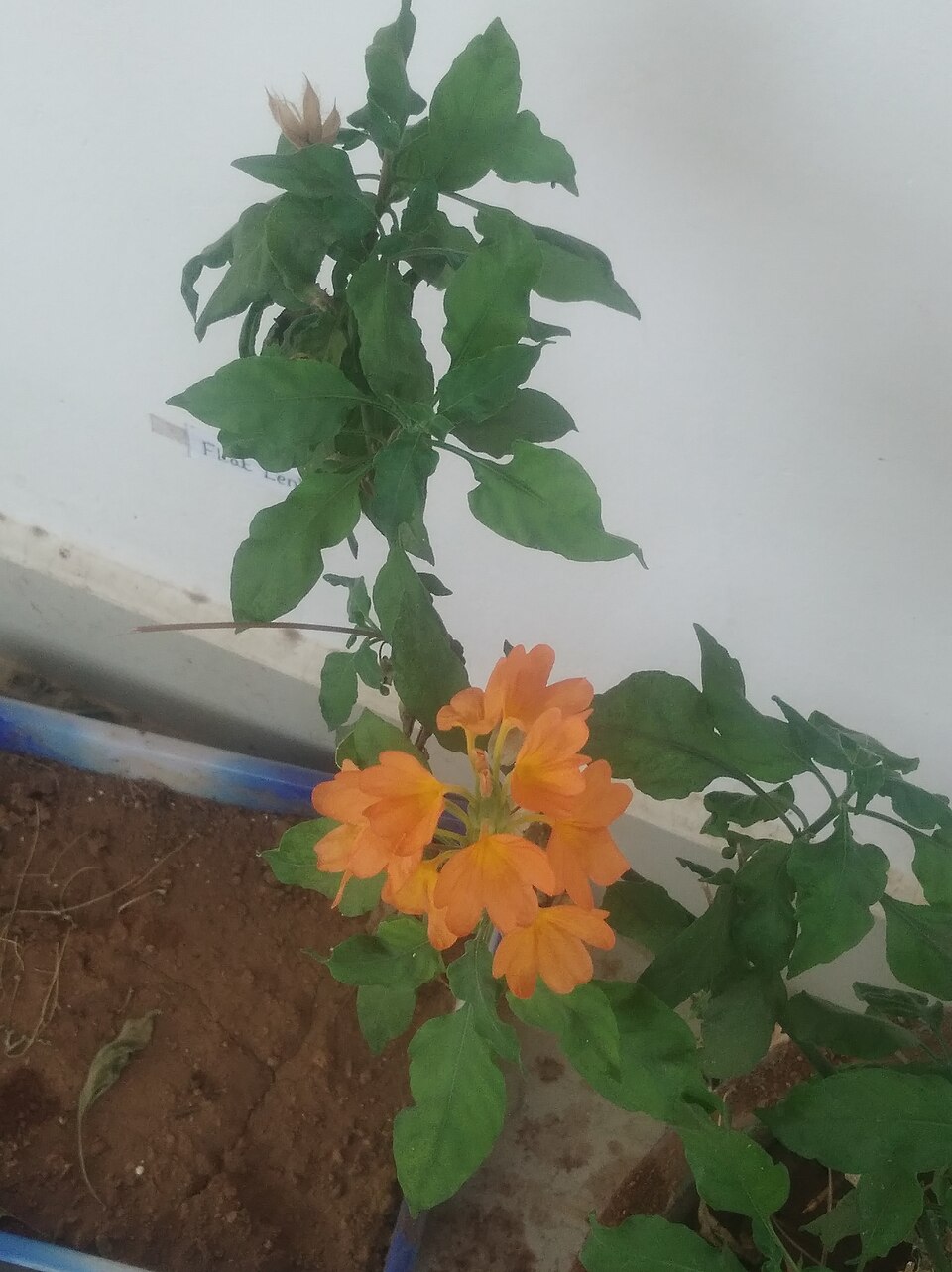
Crossandra, Genus, spp., Multiple species,
- Genus
- Multiple species
Crossandras
Tropical Africa, Madagascar, Arabia, and South Asia
Overview
Crossandra is a genus of about 50 species of evergreen subshrubs and perennials in the acanthus family, Acanthaceae, native to tropical Africa, Madagascar, the Arabian Peninsula, and the Indian subcontinent. Most form bushy plants 1 to 3 feet (30 to 90 cm) tall with glossy, dark green, lance-shaped leaves. The flowers are carried in dense, four-sided spikes and open a few at a time, each with an asymmetric fan of overlapping petals in shades of orange, salmon, coral, apricot, and occasionally yellow or red. The most familiar species, C. infundibuliformis, the firecracker flower, is grown widely as a warm-season bedding plant and pot plant and can bloom for much of the year in tropical conditions. Plants need steady warmth and are damaged below about 50 F (10 C), so in cooler regions they are treated as annuals or kept under glass. They flower most freely in bright light with shelter from the hottest midday sun, in moist but well-drained soil. The ripe seed capsules split forcefully when wetted, flinging seed some distance from the plant. Crossandras are grown for their long flowering season and tolerance of heat and humidity.
Native Range
The genus is native to tropical Africa, Madagascar, the Arabian Peninsula, and South Asia. C. infundibuliformis comes from southern India and Sri Lanka. The genus is not native to North America, where the firecracker flower is grown as an ornamental.Suggested Uses
Crossandras are grown as warm-season bedding, edging, and container plants, and as flowering houseplants where winters are cold. The long-lasting orange to salmon spikes draw butterflies and sunbirds in their native range. In frost-free gardens they are planted in massed borders and beneath light tree cover.How to Identify
Appearance
Size & Dimensions
Height1' - 3'
Width/Spread1' - 2'
Bloom Information
In warm climates Crossandra can flower almost year-round, with the heaviest bloom from spring through autumn. Each spike opens its flowers gradually from the base upward over several weeks. As bedding or pot plants in temperate regions they bloom through the warm months from late spring until cold weather stops them.
Detailed Descriptions
Flower Description
Orange to salmon, apricot, coral, sometimes yellow or redFoliage Description
Glossy dark greenGrowing Conditions
Sun Requirements
Requires 4-8 hours of direct sunlight daily
• Full Sun: 6+ hours of direct sunlight
• Partial Shade: 3-6 hours of direct sunlight
• Full Shade: Less than 3 hours of direct sunlight
Care & Maintenance
Care Guide
Crossandras grow in bright, filtered light or morning sun, sheltered from harsh midday heat, in moist, fertile, well-drained soil rich in organic matter. They need warmth and even moisture, wilting quickly if the soil dries, yet they rot in cold, soggy conditions. A slightly acidic to neutral soil pH from about 6.0 to 7.0 suits them. Light, regular feeding through the growing season keeps flowering steady. They are frost tender, surviving outdoors only in roughly USDA zones 10 and 11, and are grown as annuals or houseplants elsewhere. Spider mites and whitefly are the main pests under glass.Pruning
Pinching the growing tips of young plants encourages branching and more flower spikes. Spent spikes can be removed to keep plants tidy and prolong flowering. Older plants can be cut back lightly in spring to renew compact growth.Container Growing
Suitable for container growing
Minimum container size: 2 gallons