Cotoneaster, Genus, adpressus, Species, 'Little Gem', Cultivar,
- Genus & species
- Cultivar
little gem cotoneaster
Species native to western China (rocky scrublands and mountain slopes); cultivar selected in cultivation
Overview
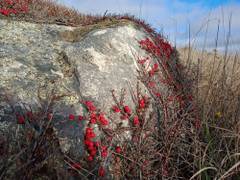
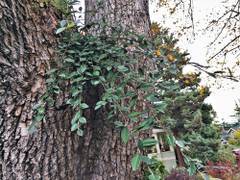
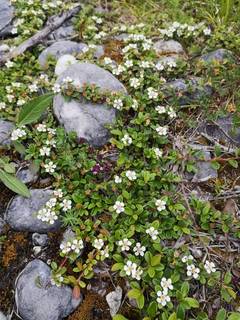
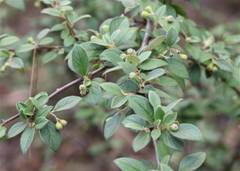
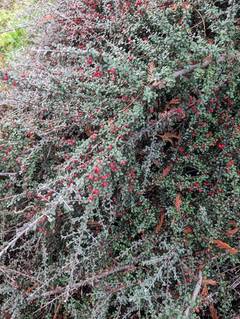
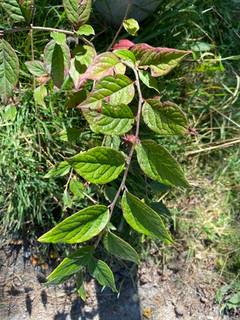
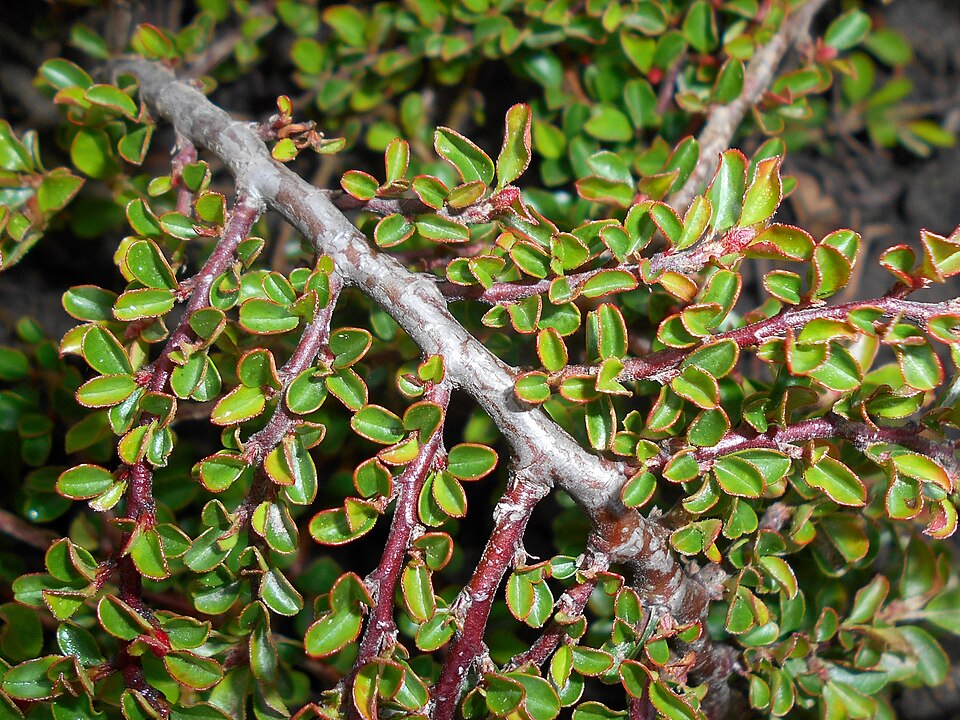
Cotoneaster adpressus 'Little Gem' is a compact very-low spreading deciduous shrub in the rose family (Rosaceae) reaching 6–12 inches (15–30 cm) tall with a spread of 3–5 feet (0.9–1.5 m). The plant forms a dense flat mat of tiny dark green wavy-edged leaves 0.25–0.5 inch (6–12 mm) long arranged in herringbone patterns along stiff prostrate branches. Stems press tightly against the soil surface or cascade over walls and rocks where planted above a vertical feature. Small pinkish-white flowers open sparsely in May–June; small red berries (pomes) 0.25 inch (6 mm) may follow, but fruit production is light on this cultivar compared to non-dwarf Cotoneaster selections. Fall color is reddish-bronze. Growth rate is slow at 2–4 inches (5–10 cm) per year. Hardy to zone 4. The extremely compact ground-hugging form separates this cultivar from the taller Cotoneaster species — no other Cotoneaster in commerce carries a lower mature profile. Dense branching produces continuous ground coverage without bare patches. Fire blight (Erwinia amylovora) is a risk in humid climates, and spider mites can develop in hot dry summer conditions.
Native Range
The species Cotoneaster adpressus is native to western China, where it occurs in rocky scrublands and mountain slopes. The cultivar 'Little Gem' was selected in cultivation for its very compact slow-growing habit.Suggested Uses
Grown as ground cover, rock garden plant, and wall cascader at 18–24 inch (45–60 cm) spacing. The flat dense form drapes over walls, stone edges, and raised beds where the prostrate stems hang over vertical features and display the herringbone branching pattern from below. Rock gardens and alpine plantings suit the mature scale. The herringbone branching combined with reddish fall color carries detail at close range that reads well in garden positions where viewers approach the plant. Container and trough culture works in 3 gallon (11 L) or larger pots with drainage. High-traffic positions, wet soils, and large-scale ground-cover applications are not suitable given the prostrate structure and the slow growth rate.How to Identify
Appearance
Size & Dimensions
Height6" - 1'
Width/Spread3' - 5'
Bloom Information
Small pinkish-white flowers open sparsely along the branches in May–June. Small red berries (pomes) 0.25 inch (6 mm) may follow but fruit production is light on this cultivar. Bloom duration is 2 weeks. Flower and fruit display is secondary to the dense ground-cover foliage pattern that carries the primary ornamental interest.
Detailed Descriptions
Flower Description
Pinkish-white, sparseFoliage Description
Dark green, tiny 0.25-0.5 inch wavy-edged leaves arranged in herringbone branching patternGrowing Conditions
Sun Requirements
Requires 4-10 hours of direct sunlight daily
• Full Sun: 6+ hours of direct sunlight
• Partial Shade: 3-6 hours of direct sunlight
• Full Shade: Less than 3 hours of direct sunlight
Care & Maintenance
Care Guide
Grows in full sun to partial shade in average well-drained soil at pH 5.5–7.5, tolerating loam, sand, and rocky substrates. Hardy to zone 4. Poor and rocky soils are tolerated. Established plants tolerate drought. The slow growth rate means 3–4 years are required for the plant to reach full mature spread of 3–5 feet; close spacing at installation or patience during establishment are both workable approaches. Space plants 18–24 inches (45–60 cm) apart for ground cover applications. Fire blight (Erwinia amylovora) can develop in humid climates; prompt removal of affected branches with sterilized tools slows the disease. Spider mites can develop in hot dry summer conditions and respond to increased air circulation or targeted treatment.Pruning
Minimal pruning is required. Dead or fire-blight-affected branches are removed with sterilized tools as they appear. Light edge trimming maintains a tidy form at bed margins. The naturally prostrate habit requires no structural shaping or training.Pruning Schedule
Prune: March
early spring
Container Growing
Suitable for container growing
Minimum container size: 3 gallons