Cornus, Genus, sanguinea, Species,
- Genus & species
common dogwood
Overview
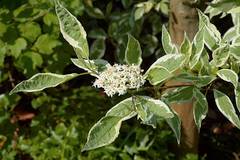
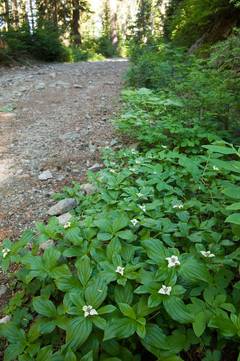
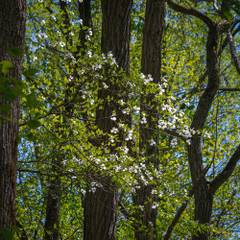
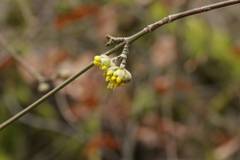
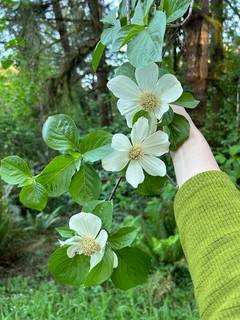
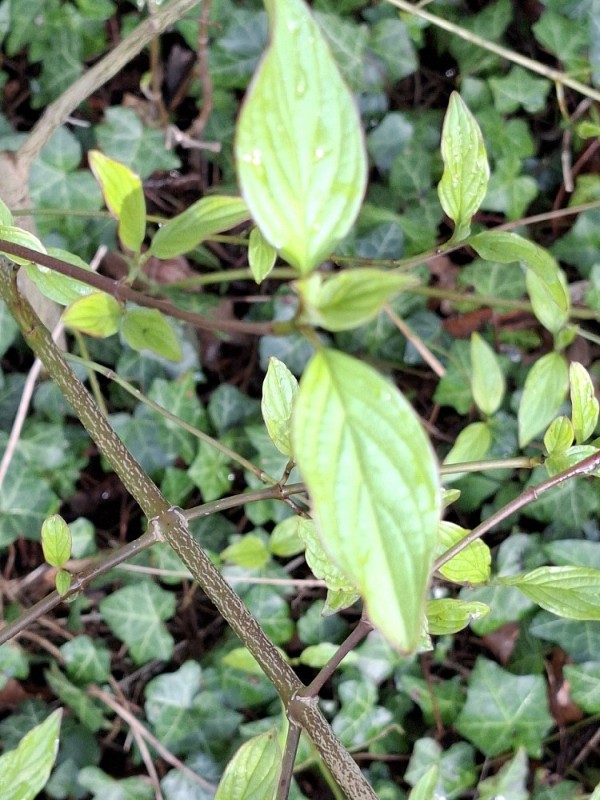
Cornus sanguinea is a deciduous, suckering shrub growing 6–15 feet (1.8–4.5 m) tall and 6–12 feet (1.8–3.6 m) wide, forming a dense thicket of upright stems. Young shoots turn deep red to purple-red in winter once the leaves drop, while older bark is greenish-grey. The opposite oval leaves are 1.5–3 inches (4–8 cm) long, mid-green with curved veins, turning red to purple in autumn. Flat-topped clusters of small white four-petalled flowers, each cluster 1.5–2 inches (4–5 cm) across, open in late spring to early summer. These are followed in late summer by spherical blue-black berries about 0.3 inch (8 mm) wide. The shrub grows wild in woodland margins, hedgerows, and scrub across Europe and tolerates a wide range of soils, including wet and chalky ground, as well as shade, though it suckers and self-seeds freely and can spread where unchecked. Hardiness covers USDA zones 4–7. The red winter stems show most strongly on young growth, so plants are cut back to maintain colour. It is grown for winter stems, hedging, and wildlife value.
Native Range
Cornus sanguinea is native across Europe and into western Asia, where it grows in hedgerows, woodland margins, scrub, and on stream banks, often on chalk and other base-rich soils.Suggested Uses
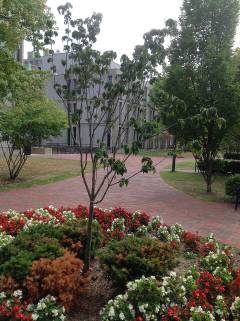
Cornus sanguinea is grown for winter stem colour in borders and beside water, in mixed and native hedging, and in wildlife and woodland-edge plantings. Its flowers and berries support pollinators and birds. The suckering habit suits informal screens and bank stabilisation.How to Identify
Appearance
Size & Dimensions
Height6' - 15'
Width/Spread6' - 12'
Bloom Information
Flowering occurs in late spring to early summer, usually May to June in the Northern Hemisphere, with flat clusters of small white flowers over about 3–4 weeks. A faint scent accompanies the bloom. Spherical blue-black berries ripen from late summer into autumn and are taken by birds. Autumn also brings red to purple leaf colour.
Detailed Descriptions
Foliage Description
Mid-green, red-purple in autumnGrowing Conditions
Sun Requirements
Requires 4-12 hours of direct sunlight daily
• Full Sun: 6+ hours of direct sunlight
• Partial Shade: 3-6 hours of direct sunlight
• Full Shade: Less than 3 hours of direct sunlight
Care & Maintenance
Care Guide
Grow Cornus sanguinea in full sun to partial shade in most soils, including heavy clay, chalk, and seasonally wet ground. It tolerates drought once established but grows more strongly with steady moisture. The shrub suckers and self-seeds, so it spreads in informal settings and may need containing in smaller gardens. Little feeding is required. For strong red winter stems, plants are cut back hard in early spring, since the brightest colour forms on young growth. The species is generally healthy, with only occasional leaf spot or aphids.Pruning
For winter stem colour, Cornus sanguinea is cut back hard (coppiced or stooled) to a low framework in early spring every one to two years, which forces vivid young growth. Plants left unpruned still flower and fruit but develop duller, greener older stems. Suckers are removed to limit spread.Pruning Schedule
Prune: March
early spring