Cornus, Genus, florida, Species, 'Cherokee Chief', Cultivar,
- Genus & species
- Cultivar
cherokee chief dogwood
Garden selection; species NATIVE to eastern North America — one of the most beloved native understory trees
Overview
Cornus florida 'Cherokee Chief' is a red-bracted flowering dogwood, growing 120–240 inches (300–600 cm) tall and 120–240 inches (300–600 cm) wide. Deep rose-red to ruby bracts 2–3 inches (5–7 cm) surround tiny yellow-green true flowers in the center — the 'petals' are botanically bracts (modified leaves), not true petals. Native to eastern North America. Four-season interest: spring rose-red bracts; summer dark green ovate foliage; fall red-purple foliage with glossy red berries 0.5 inch (12 mm) consumed by birds; winter horizontal layered branching pattern visible on bare branches. Most native C. florida have white bracts; 'Cherokee Chief' is a red-bracted selection. Dogwood anthracnose (Discula destructiva) has caused significant mortality in native populations since the 1980s — reduce stress by planting in partial shade with adequate moisture and air circulation. Acidic to slightly acidic soil (pH 5.5–6.5). Zones 5–9. Non-toxic. Shallow root system — avoid deep cultivation around the base. Dogwood borer attacks stressed trees through bark wounds. The understory position (partial shade beneath taller trees) mimics the native habitat. Drought-stressed trees are more susceptible to anthracnose and borer. Growth rate is moderate — 12–18 inches (30–45 cm) per year.
Native Range
The species is NATIVE to eastern North America. 'Cherokee Chief' is a red-bracted selection.Suggested Uses
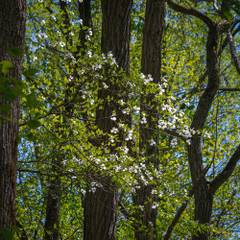
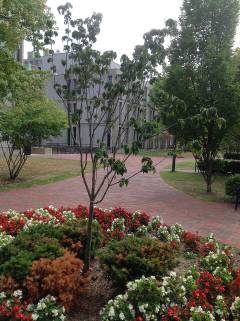
Grown as a specimen or understory tree in zones 5–9, spaced 120–180 inches (300–450 cm) apart. Partial shade (mimics native habitat). Acidic soil. The horizontal layered branching pattern is visible in winter. Non-toxic. Native.How to Identify
Appearance
Size & Dimensions
Height10' - 20'
Width/Spread10' - 20'
Colors
Bloom Information
Rose-red bracts in mid to late spring, lasting 2–3 weeks. The tiny true flowers are in the bract center. Red berries follow in fall. Blooms on old wood.
Detailed Descriptions
Flower Description
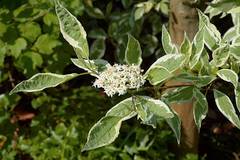
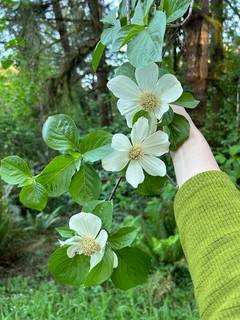
Deep ROSE-RED to ruby bracts (the 'petals' are actually bracts — the true flowers are the tiny cluster in the center)Foliage Description
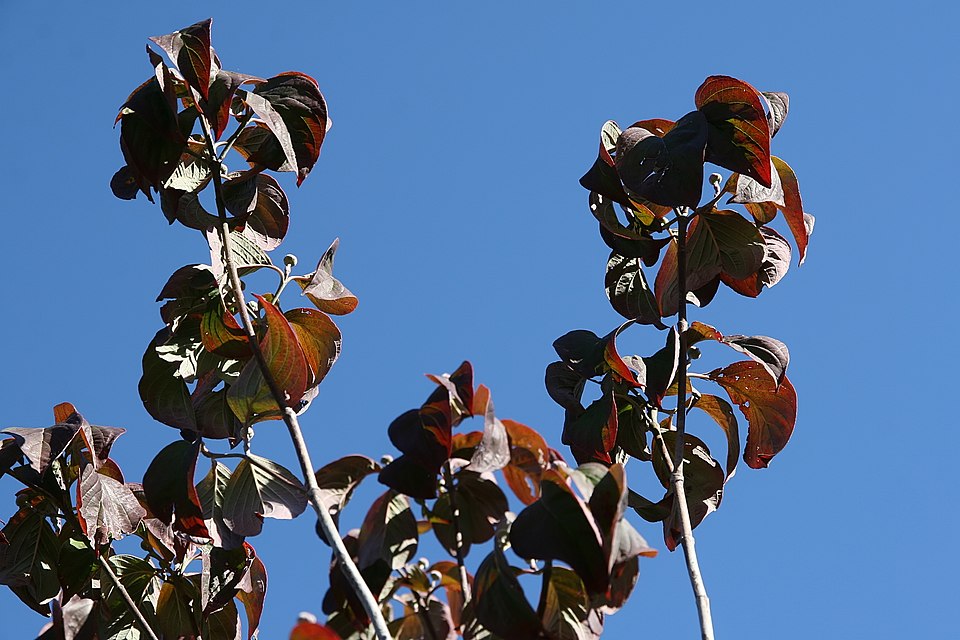
Dark green; brilliant RED-PURPLE fall colorGrowing Conditions
Sun Requirements
Requires 3-6 hours of direct sunlight daily
• Full Sun: 6+ hours of direct sunlight
• Partial Shade: 3-6 hours of direct sunlight
• Full Shade: Less than 3 hours of direct sunlight
Care & Maintenance
Care Guide
Partial shade — mimics native understory habitat. Acidic soil pH 5.5–6.5. Keep soil evenly moist — drought stress increases anthracnose susceptibility. Good air circulation. Shallow roots. Non-toxic. Native to eastern North America. Zones 5–9.Pruning
Prune dead, damaged, or crossing branches in late winter. Minimal pruning needed — the natural horizontal layered form develops without intervention. Avoid bark wounds, which attract dogwood borer.Pruning Schedule
Prune: June–July
summer