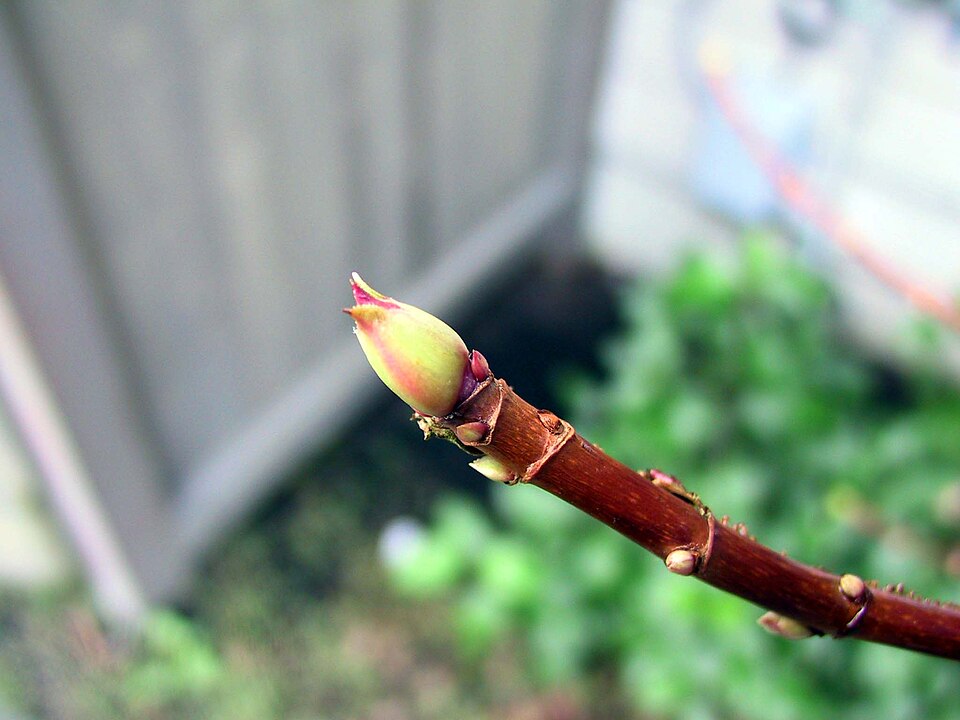
Hydrangea anomala ssp. petiolaris
climbing hydrangea
East Asia (Japan, Korea, eastern Russia, Taiwan)
Overview
Hydrangea anomala ssp. petiolaris is a deciduous woody climber reaching 30-50 feet (9-15 m) on supporting structures, attaching by adventitious aerial rootlets along the stems. Without support, it grows as a sprawling shrub 3-4 feet (90-120 cm) tall and 6-8 feet (1.8-2.4 m) wide. Leaves are heart-shaped to oval, 2-4 inches (5-10 cm) long, dark glossy green with serrated margins, turning soft yellow in fall. Flat lacecap inflorescences 6-10 inches (15-25 cm) across appear in June; the central cluster is composed of small fertile florets surrounded by a ring of larger 1-inch (2.5 cm) sterile white florets. Stems develop reddish-brown exfoliating bark on mature wood. Initial establishment is slow: 2-3 years before vertical growth begins, with vigorous expansion thereafter (3-6 feet / 90-180 cm per year). Mature wood and aerial rootlets can damage wood siding and mortar joints. Flowering takes 4-6 years to begin after planting.
Native Range
Hydrangea anomala ssp. petiolaris is native to montane forests of Japan, Korea, eastern Russia (Sakhalin), and Taiwan from sea level to 6,000 feet (1,830 m) elevation, where it climbs trees and rock outcroppings in moist, partially shaded habitats. The subspecies was introduced to Western horticulture in 1865 from Japan and is the principal climbing hydrangea in cultivation in temperate gardens.Suggested Uses
Planted on north and east walls, masonry surfaces, large trees, and stone outcroppings as a self-clinging climber, with no trellis required on porous supports. Single plants cover 100-300 square feet (9-28 sq m) of vertical surface at maturity. Slow initial establishment makes it suitable for permanent installations; transplanting after 5 years of growth is typically unsuccessful.How to Identify
Appearance
Size & Dimensions
Height30' - 50'
Width/Spread5' - 6'
Reaches mature size in approximately 9 years
Bloom Information
Lacecap inflorescences open in late May to early June in zones 5-7 and mid-May in zones 8. Bloom lasts 3-4 weeks; sterile florets gradually fade from white to ivory and brown by late July, persisting on the vine through summer. Flowering occurs only on mature wood (4-6 years from planting); young plants in their establishment phase do not flower.
Detailed Descriptions
Foliage Description
Dark glossy green, turning soft yellow in fallGrowing Conditions
Sun Requirements
Requires 2-6 hours of direct sunlight daily
• Full Sun: 6+ hours of direct sunlight
• Partial Shade: 3-6 hours of direct sunlight
• Full Shade: Less than 3 hours of direct sunlight
Care & Maintenance
Care Guide
Plants establish slowly; weekly deep watering during the first 2-3 summers supports root development. Mature vines tolerate 2-3 weeks without rain in zones 4-6 but need supplemental water in zones 7-8 during prolonged drought. Foliage tolerates part shade in zones 6-8; in deep shade, flowering is reduced. Aphids may colonize new growth in May. Aerial rootlets attach permanently to wood surfaces and can pull paint from wooden siding and damage soft mortar; supports of stone, brick with hard mortar, or sturdy wire trellis are durable. Replacement is rare; established vines persist 50 or more years.Pruning
Pruning is rarely necessary on established vines. Light shaping after bloom in July or August can be done to control spread; heavy cuts are slow to regrow. Damaged wood and stems pulled away from supports can be cut at any time. Pruning before bloom removes the current year flowers, which form on previous-year wood.Pruning Schedule
J
F
M
A
M
J
J
A
S
O
N
D
summer