Clematis, Genus, virginiana, Species,
- Genus & species
virgin's-bower
Overview
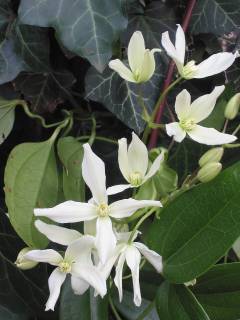
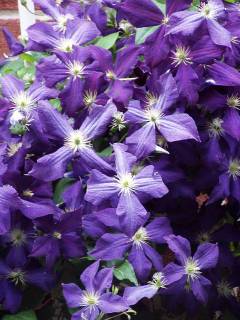
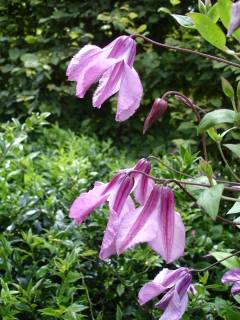
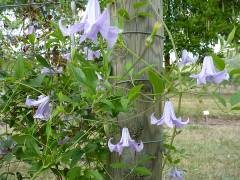
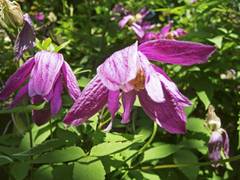
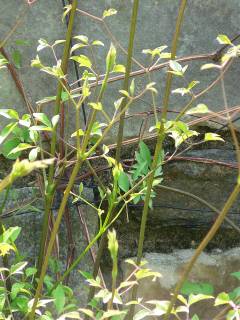
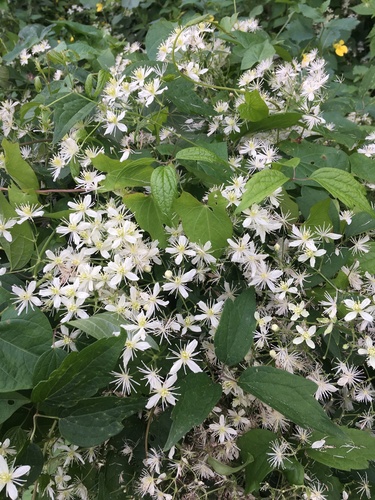
Clematis virginiana is a deciduous woody vine in the buttercup family, climbing 10-20 feet (3-6 m) by twisting its leaf stalks around supports. The compound leaves have three coarsely toothed leaflets 1.5-4 inches (4-10 cm) long on wiry, branching stems. From late summer into early autumn the vine carries broad clusters of small, four-sepalled white flowers about 1 inch (2.5 cm) across, the male and female flowers usually on separate plants. Pollinated flowers develop into rounded heads of seeds, each tipped with a long, silvery, feathery plume that persists into winter. Clematis virginiana scrambles over fences, shrubs, and streamside thickets, spreading by seed and by stems that root at the nodes. The white flowers draw bees, wasps, and other insects in late summer. All parts contain protoanemonin, a compound that irritates skin and is toxic if eaten. Limitations include rapid growth that can blanket and weaken supporting shrubs and a tendency to self-sow freely.
Native Range
Clematis virginiana is native to central and eastern North America, from Nova Scotia and Manitoba south to Georgia and Louisiana. It grows along streambanks, woodland edges, fence rows, moist thickets, and roadside hedges, usually where its roots stay cool and shaded.Suggested Uses
Clematis virginiana is grown on fences, arbours, and trellises and allowed to scramble through large shrubs and along woodland edges in naturalised and native plantings. It is spaced 3-6 feet (0.9-1.8 m) apart and used for wildlife cover and late-season nectar rather than tidy, formal settings.How to Identify
Appearance
Size & Dimensions
Height10' - 20'
Width/Spread3' - 6'
Bloom Information
Clematis virginiana blooms in late summer to early autumn, roughly July to September, opening masses of small white flowers over four to six weeks. Male and female flowers usually grow on separate plants, so only female vines set the plumed seed heads. The silvery seed plumes follow in autumn and hold through early winter.
Detailed Descriptions
Foliage Description
Medium greenGrowing Conditions
Sun Requirements
Requires 4-10 hours of direct sunlight daily
• Full Sun: 6+ hours of direct sunlight
• Partial Shade: 3-6 hours of direct sunlight
• Full Shade: Less than 3 hours of direct sunlight
Care & Maintenance
Care Guide
Clematis virginiana grows in full sun to part shade on moist, well-drained soil and flowers most heavily where the top growth reaches sun while the roots stay cool and shaded. It tolerates a wide pH range and average to damp soil but declines in hot, dry sites. Growth is rapid once established, and stems climb several feet in a season. It needs a fence, trellis, or shrub for support, as the leaf stalks must have something to grip. Powdery mildew and clematis wilt can affect the foliage. Cutting the vine back hard in late winter keeps it tidy and within bounds.Pruning
Clematis virginiana blooms on the current season growth and is cut back to 12-24 inches (30-60 cm) from the ground in late winter or early spring. Hard pruning controls its size and prevents a tangled build-up of old stems. Removing seed heads before they ripen reduces self-sowing.Pruning Schedule
Prune: February–March
winterearly spring