Cistanthe, Genus, spp., Multiple species,
- Genus
- Multiple species
pussy paws
Western Americas, chiefly Chile and western North America
Overview
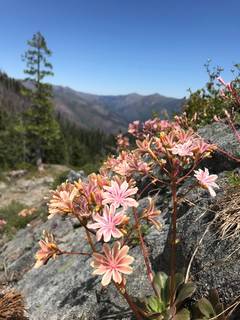
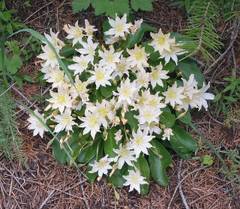
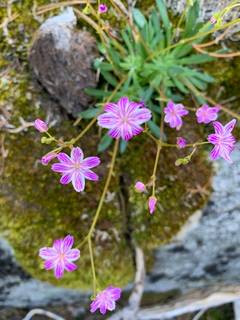
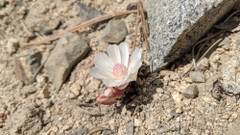
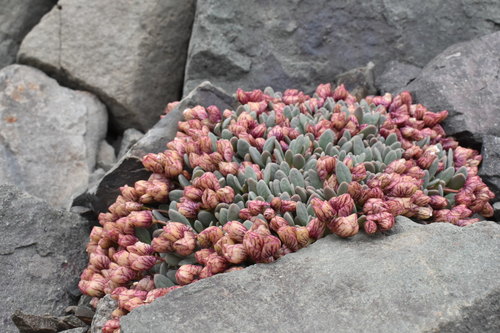
Cistanthe is a genus of about 35 species of succulent annuals and perennials in the family Montiaceae, native to the dry western Americas, with centres of diversity in Chile and western North America. Plants have fleshy, often blue-grey or grey-green leaves, held in basal rosettes or along low stems, that store water for dry conditions. From the foliage rise slender, leafless flower stems carrying five-petaled flowers that open in sun. C. grandiflora, rock purslane, forms a mound of paddle-shaped grey leaves and sends up wiry stems 2-3 ft (60-90 cm) tall topped with magenta-purple flowers over a long season. C. umbellata, pussypaws, is a low alpine and desert plant whose clusters of papery pink to white flowers sit close to the rosette like small paws. Most species grow on sand, gravel, and rocky slopes and tolerate heat and drought, but they rot in wet or heavy soil and are damaged by hard frost. Individual flowers are short-lived, though new buds open daily through the season.
Native Range
Native to the western Americas, with most species in Chile and others through western North America from Canada to Mexico. C. grandiflora comes from Chile, and C. umbellata grows in the mountains and deserts of the western United States.Suggested Uses
Grown in rock gardens, gravel and dry-climate plantings, succulent borders, and containers, spaced 12-24 in (30-60 cm) apart. C. grandiflora is used as a flowering accent in water-wise gardens, and C. umbellata suits troughs and alpine plantings.How to Identify
Appearance
Size & Dimensions
Height6" - 3'
Width/Spread1' - 3'
Bloom Information
Flowering runs mainly from spring into summer, and in mild climates C. grandiflora can bloom from spring through autumn. Each flower lasts only a day or two, but fresh buds open in succession over many weeks. The flowers close in dull weather and open again in sun.
Detailed Descriptions
Flower Description
magenta, purple, pink, to whiteFoliage Description
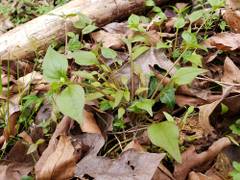
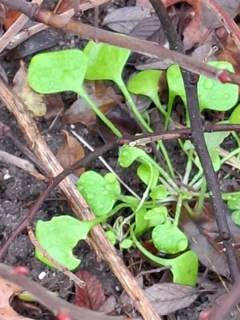
blue-grey to grey-greenGrowing Conditions
Sun Requirements
Requires 6-10 hours of direct sunlight daily
• Full Sun: 6+ hours of direct sunlight
• Partial Shade: 3-6 hours of direct sunlight
• Full Shade: Less than 3 hours of direct sunlight
Care & Maintenance
Care Guide
Across the genus, Cistanthe grows in full sun in sandy, gritty, sharply drained soil with a pH of about 6.0 to 7.5. Plants store water in their leaves and tolerate heat and drought once established, but they rot quickly in wet, heavy, or poorly drained soil. Most species are frost-tender and suited to USDA zones 9-11, with some alpine forms taking more cold. Light, occasional watering in dry spells keeps perennial species in growth without overwatering. In containers a cactus or succulent mix drains well enough. Annual species die after setting seed and return from self-sown seedlings.Pruning
Spent flower stems are sheared off at the base to keep plants tidy and prompt more bloom. Tired or rotted leaves are removed from the rosette. Perennial species are cut back lightly after the main flush, while annual species are pulled once they finish seeding.Container Growing
Suitable for container growing
Minimum container size: 3 gallons