Lewisia, Genus, cotyledon, Species,
- Genus & species
lewisia
Klamath Mountains and Siskiyou region of southwestern Oregon and northern California; rocky cliff faces, vertical crevices, and scree at middle to upper elevations in the Pacific Northwest of North America
Overview
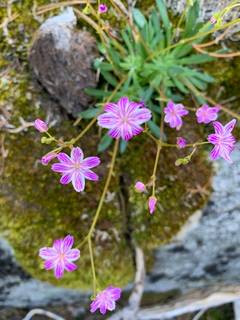
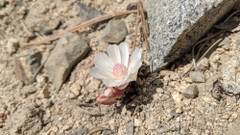
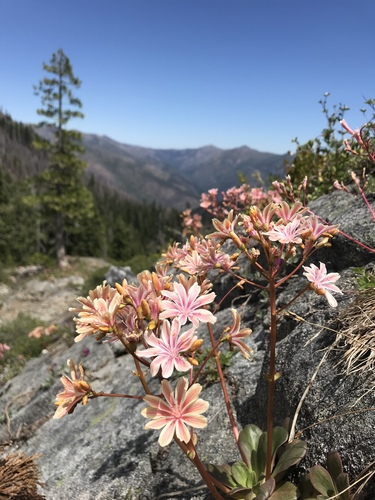
Lewisia cotyledon is a small clumping evergreen perennial in the family Montiaceae growing 4–12 inches (10–30 cm) tall in bloom and 6–10 inches (15–25 cm) wide from a thick taproot topped by a tight basal rosette of fleshy succulent leaves. The genus Lewisia is named in honor of Meriwether Lewis, co-leader of the Lewis and Clark Expedition (1804–1806), who first collected the type species L. rediviva during the westward crossing of what is now Montana. The rosette carries 20–40 thick fleshy spatula-shaped to obovate glossy mid-green leaves 2–4 inches (5–10 cm) long with wavy or scalloped margins, and the fleshy leaf tissue stores water through the dry summer period on the exposed rocky cliff faces of the native range. Multi-petaled flowers with 7–11 narrow petals open in loose airy panicles on slender stems 6–12 inches (15–30 cm) above the rosette from May through July across an 8-week bloom period when plants are deadheaded for continued flowering; the flowers open in a range of seed-strain colors including white, pink, rose, orange, salmon, red, and yellow, and most strains carry darker veining or contrasting stripes along the petals that give the flowers a striped candy appearance at close range. Limitation: crown rot from water sitting in the center of the rosette is the main cause of death in cultivation, and the species cannot tolerate standing moisture in the leaf rosette — plants grown on flat level soil collect winter and spring rainwater in the rosette center and the crown rots out during the cool wet months. Planting on a steep slope, in a vertical rock crevice, or tilted at 30–45 degrees in a container allows water to drain away from the rosette center and keeps the crown dry through the wet months, and this crown-drainage requirement is the defining cultural limitation of the species across temperate gardens. The species calls for sharp drainage in gritty mineral soil (scree, grit, coarse sand, or crevice substrate) and fails on organic-rich moisture-retentive soils where the roots rot during the winter rest period. Drought-tolerant once established because of the water stored in the fleshy leaves and the deep taproot. Non-toxic and deer-resistant.
Native Range
Native to the Klamath Mountains and the Siskiyou region of southwestern Oregon and northern California, growing on rocky cliff faces, vertical crevices, talus slopes, and scree at middle to upper elevations on serpentine and granitic substrates. The species is a signature endemic of the Klamath-Siskiyou ecoregion, which carries a high concentration of endemic plant species because of the ecoregion's complex geologic diversity and long history of isolation from glacial disturbance.Suggested Uses
Used in rock walls with vertical crevice positions, alpine troughs, crevice gardens, scree beds, and containers of at least 2 gallons (7.5 L) tilted at 30–45 degrees for drainage, at 6–10 inch (15–25 cm) spacing between plants. The crown-drainage requirement points the species toward vertical or tilted planting positions rather than flat garden beds, and the species is a centerpiece plant in rock garden design where the multi-petaled striped flowers and the fleshy evergreen rosettes are displayed at close range. Flat irrigated border positions, heavy clay soils, and humid warm-summer gardens in USDA zones 9 and warmer are unsuitable because of the crown rot risk from water sitting in the rosette center and the general dislike of warm humid summer conditions that accelerates rot development.How to Identify
Appearance
Size & Dimensions
Height4" - 1'
Width/Spread6" - 10"
Bloom Information
Multi-petaled flowers with 7–11 narrow petals open in loose airy panicles on slender stems 6–12 inches (15–30 cm) above the rosette from May through July across an 8-week bloom period when plants are deadheaded for continued flowering. Flowers open in a range of seed-strain colors including white, pink, rose, orange, salmon, red, and yellow, and most strains carry darker veining or contrasting stripes along the petals. Honeybees and native solitary bees work the flowers for nectar and pollen during the spring and early summer bloom window.
Detailed Descriptions
Flower Description
white, pink, rose, orange, salmon, red, or yellow depending on seed strain; 7-11 narrow petals per flower, 1-1.5 inches (2.5-4 cm) across, often marked with darker veining or contrasting stripes; carried in loose airy panicles on slender stems 6-12 inches (15-30 cm) above the rosetteFoliage Description
glossy mid-green; thick fleshy spatula-shaped to obovate evergreen rosette leaves 2-4 inches (5-10 cm) long with wavy or scalloped margins, arranged in a tight basal rosette that stores water in the fleshy leaf tissueGrowing Conditions
Sun Requirements
Requires 5-10 hours of direct sunlight daily
• Full Sun: 6+ hours of direct sunlight
• Partial Shade: 3-6 hours of direct sunlight
• Full Shade: Less than 3 hours of direct sunlight
Care & Maintenance
Care Guide
Site in full sun to partial shade with 5–10 hours of direct sun per day in sharp-drained gritty mineral soil (scree, grit, coarse sand, or crevice substrate) with a pH of 5.5–7.0. The species fails on organic-rich moisture-retentive soils where the roots rot during the winter rest period, so garden loam is amended with at least 50 percent mineral grit or the plants are grown entirely in crevice or trough substrates. Crown rot from water sitting in the center of the rosette is the main cause of death in cultivation — planting on a steep slope, in a vertical rock crevice, or tilted at 30–45 degrees in a container allows water to drain away from the rosette center and keeps the crown dry through the wet months. Deadheading spent flowering stems at the base after the first bloom flush extends the bloom period through midsummer. Drought-tolerant once established because the fleshy leaves and the deep taproot hold water through summer dry periods. Non-toxic and deer-resistant. Hardy in USDA zones 4–8.Pruning
Spent flowering stems are cut at the base after the individual flowers drop to stop seed production and redirect the plant's energy into a second bloom flush through midsummer. Dead or damaged outer rosette leaves are removed by a gentle twisting motion at the leaf base during the growing season to keep the rosette clean and to reduce rot sites where dead tissue can hold moisture against the living crown. No other pruning is needed because the evergreen rosette is self-maintaining and the plant does not require shearing or cutting back at any point in the year.Pruning Schedule
Prune: June–July
summer
Container Growing
Suitable for container growing
Minimum container size: 2 gallons