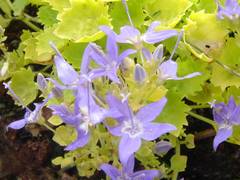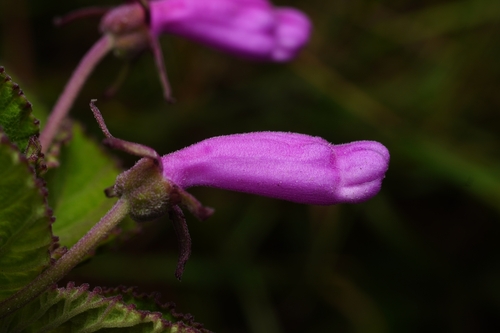
Centropogon, Genus, spp., Multiple species,
- Genus
- Multiple species
Centropogons
Tropical Americas (Mexico to the Andes and the Caribbean)
Overview
Centropogon is a large genus of more than 200 flowering plants in the bellflower family (Campanulaceae), native to the tropical Americas from Mexico and the Caribbean south through the Andes. The genus is varied in form, taking in herbs, subshrubs, shrubs, and scrambling, soft-stemmed vines from about 0.3 to 3 m (1-10 ft), many growing as understorey or epiphytic plants in humid montane forest. The alternate leaves are often toothed and can be large. The flowers are tubular and curved, frequently held singly in the leaf axils, and come in red, pink, purple, orange, yellow, and white; their shape is matched to pollination by hummingbirds, with some bat-pollinated species. Fleshy berries follow the flowers. Like other members of the lobelia group, the stems carry a milky latex containing alkaloids, and the plants are regarded as toxic if eaten. Most species come from cool, wet, shaded cloud-forest habitats and are frost-tender, needing warm, humid, sheltered conditions in cultivation. They are grown mainly in greenhouses and frost-free gardens.
Native Range
Centropogon is native to the Neotropics, ranging from southern Mexico and the West Indies through Central America and along the Andes to Bolivia. The greatest diversity is in the wet montane forests of the northern Andes.Suggested Uses
Centropogon species are grown in tropical and cloud-forest plantings, shade houses, conservatories, and frost-free gardens, where the curved flowers draw hummingbirds. Scrambling species are trained on supports or allowed to trail, and compact kinds suit shaded containers. They pair with ferns and other moisture-tolerant understorey plants.How to Identify
Appearance
Size & Dimensions
Height1' - 10'
Width/Spread1' - 5'
Bloom Information
In warm, frost-free conditions many species flower over a long season, often much of the year, with peaks in the warmer, wetter months. Each curved flower lasts several days and is visited by hummingbirds. Flowering is sparser where light or warmth is limited.
Detailed Descriptions
Flower Description
red, pink, purple, orange, yellow, or whiteFoliage Description
greenGrowing Conditions
Sun Requirements
Requires 2-5 hours of direct sunlight daily
• Full Sun: 6+ hours of direct sunlight
• Partial Shade: 3-6 hours of direct sunlight
• Full Shade: Less than 3 hours of direct sunlight
Care & Maintenance
Care Guide
Plants grow in part to full shade on moist, humus-rich, well-drained soil at a pH of 5.5-7.0, in warm, humid air. They need steady moisture and shelter from cold, drying wind, and most are damaged below about 5 C (40 F). Hardiness is limited to roughly USDA zones 10 and 11, so plants are grown under glass or as houseplants in colder areas. Bright but indirect light suits them, while hot direct sun scorches the leaves. Regular feeding during active growth supports continued flowering.Pruning
Leggy or scrambling stems are cut back after flowering to keep plants bushy and within bounds. Pinching young shoots encourages branching and more flowers. Dead and weak growth is removed at any time.Container Growing
Suitable for container growing
Minimum container size: 2 gallons