Castanea, Genus, crenata, Species,
- Genus & species
Japanese chestnut
Overview
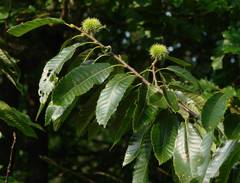
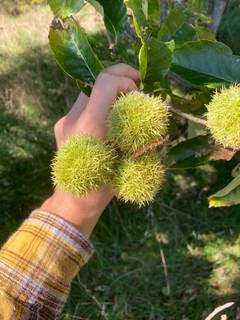
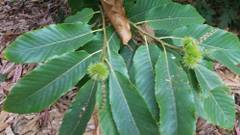
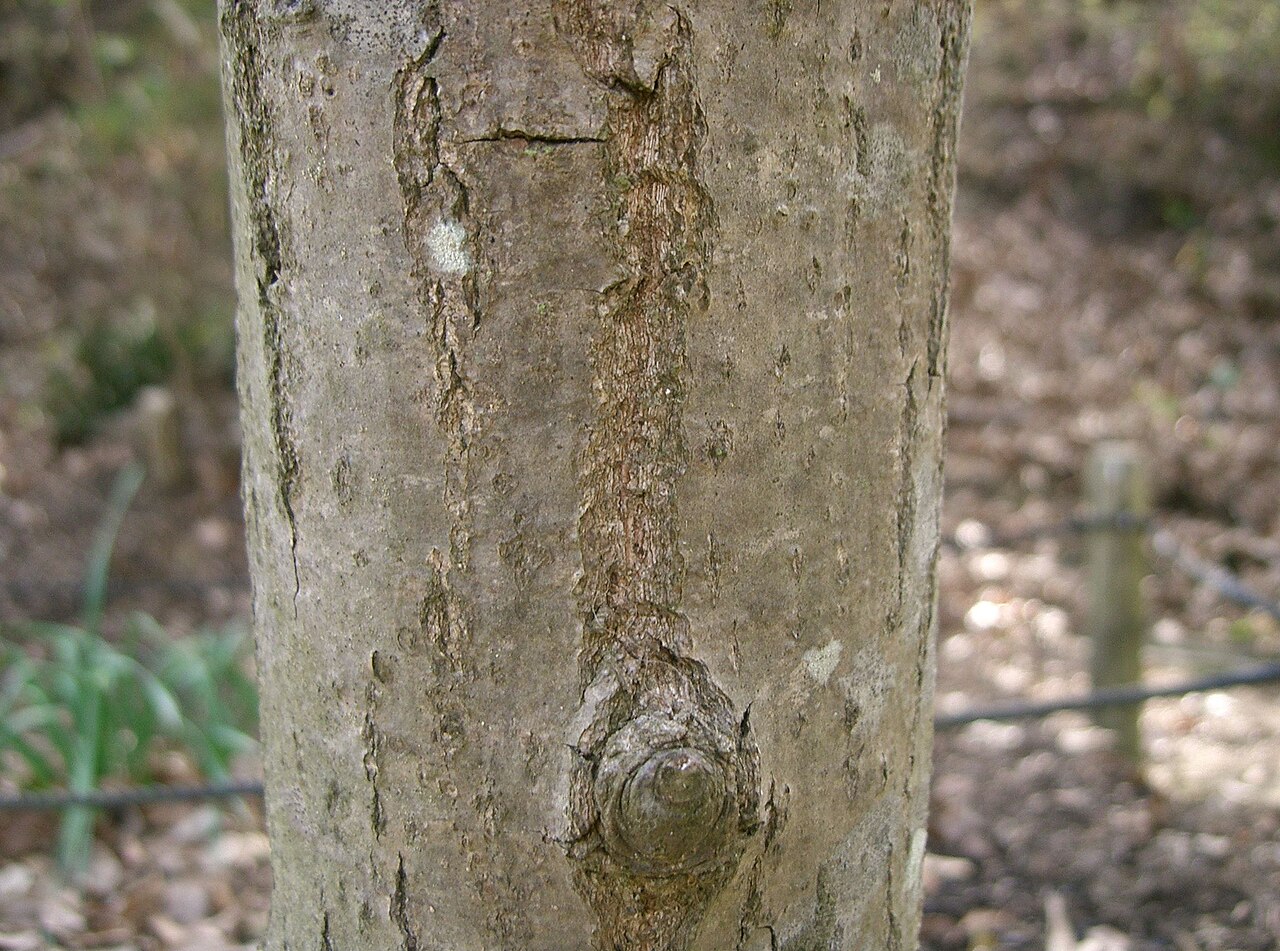
Castanea crenata is a deciduous tree reaching 30-50 feet (9-15 m) tall and 30-40 feet (9-12 m) wide, with a broad rounded crown and grey-brown bark that splits into vertical plates with age. Leaves are oblong-lanceolate, 3-7 inches (8-18 cm) long and 1-2 inches (2.5-5 cm) wide, with bristle-tipped marginal teeth and minute glandular scales on the underside, shorter and narrower than the 5-9 inch (13-23 cm) leaves of C. sativa. Cream catkins 4-8 inches (10-20 cm) long open in June and July and carry a heavy scent; trees are monoecious but self-incompatible, so nut set requires a second unrelated tree within 100-150 feet (30-45 m). Burs 2-3 inches (5-8 cm) across bear short spines and split in September and October to release one to three nuts 1-1.5 inches (2.5-4 cm) wide. The inner skin adheres to the kernel and does not lift on roasting, unlike the free-peeling kernels of C. mollissima. Trees carry a first crop at 4-7 years. The species tolerates Cryphonectria parasitica, walling off cankers with callus tissue, and is used as a parent in blight-resistance breeding. Foliage turns yellow-brown in late October.
Native Range
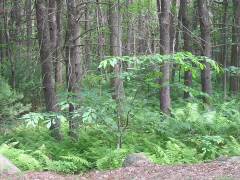
Castanea crenata grows in mountain forest and forest margins across Japan from Hokkaido to Kyushu and on the Korean Peninsula at 300-5,000 feet (90-1,500 m) elevation. It occupies acidic, free-draining slopes derived from granite and volcanic ash, often alongside Quercus serrata and Pinus densiflora. Groves have been managed in Japan for more than two thousand years, and orchard selections are now grown in Korea, China, and parts of southern Europe.Suggested Uses
Grown in orchards at 25-40 foot (7.6-12 m) spacing with two or more cultivars for cross-pollination, and as a single shade tree in large gardens in zones 5-9. Timber is cut for construction, sleepers, and furniture and is durable in ground contact. Burs and fallen nuts accumulate under the canopy from September through November and are sharp underfoot, which limits placement beside paths, lawns, and drives.How to Identify
Appearance
Size & Dimensions
Height30' - 50'
Width/Spread30' - 40'
Bloom Information
Catkins open across June and July, 2-4 weeks later than C. sativa at the same latitude, and shed pollen over 10-14 days. Male catkins appear first, followed by bisexual catkins carrying female flowers at the base. Bloom on a tree lasts 3-4 weeks. Rain during pollen shed cuts nut set by 30-50%, and summers below 68F (20C) push bur ripening into November.
Detailed Descriptions
Foliage Description
dark green above, paler beneathGrowing Conditions
Sun Requirements
Requires 6-12 hours of direct sunlight daily
• Full Sun: 6+ hours of direct sunlight
• Partial Shade: 3-6 hours of direct sunlight
• Full Shade: Less than 3 hours of direct sunlight
Care & Maintenance
Care Guide
Young trees take 1-2 inches (25-50 mm) of water weekly through the first three seasons, after which established trees go 4-6 weeks without rain and shed interior leaves in longer droughts. Soil pH above 6.5 causes leaf yellowing and poor nut fill, and roots decline where soil holds water within 24 hours of rain. Nitrogen at 0.1 pound (45 g) per year of tree age goes on in March and stops by mid-June so shoots harden before autumn. Chestnut gall wasp Dryocosmus kuriphilus forms galls on buds and shoots and cuts nut yield by 50-70% in unmanaged orchards; resistant cultivars are the usual response. Chestnut blight Cryphonectria parasitica produces sunken cankers that this species walls off rather than being killed outright. Ink disease caused by Phytophthora cinnamomi kills trees on heavy wet ground within 2-3 seasons.Pruning
Pruning is carried out from January to March while the tree is dormant. Nuts form on current-season shoots arising from the previous year growth, so heading cuts into one-year wood remove that season crop, and thinning cuts that take out whole branches are used instead. Orchard trees are trained to a central leader with 4-6 scaffold branches spaced 18-24 inches (45-60 cm) apart on the trunk. Unpruned trees crop on the canopy exterior only, and interior wood dies back within 5-8 years.Pruning Schedule
Prune: January–March
winterearly spring