Carex, Genus, filiformis, Species,
- Genus & species
thread sedge
Europe and northern Asia (British Isles east through Russia to Siberia)
Overview
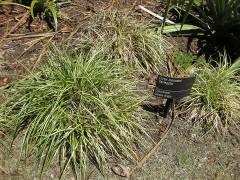
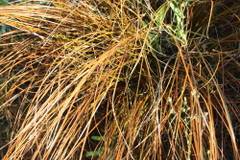
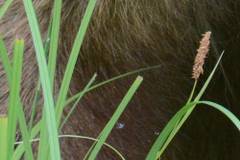
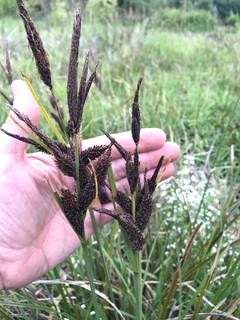
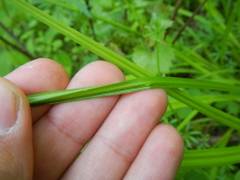
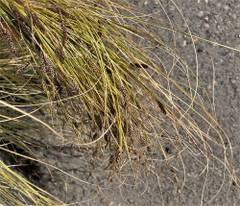
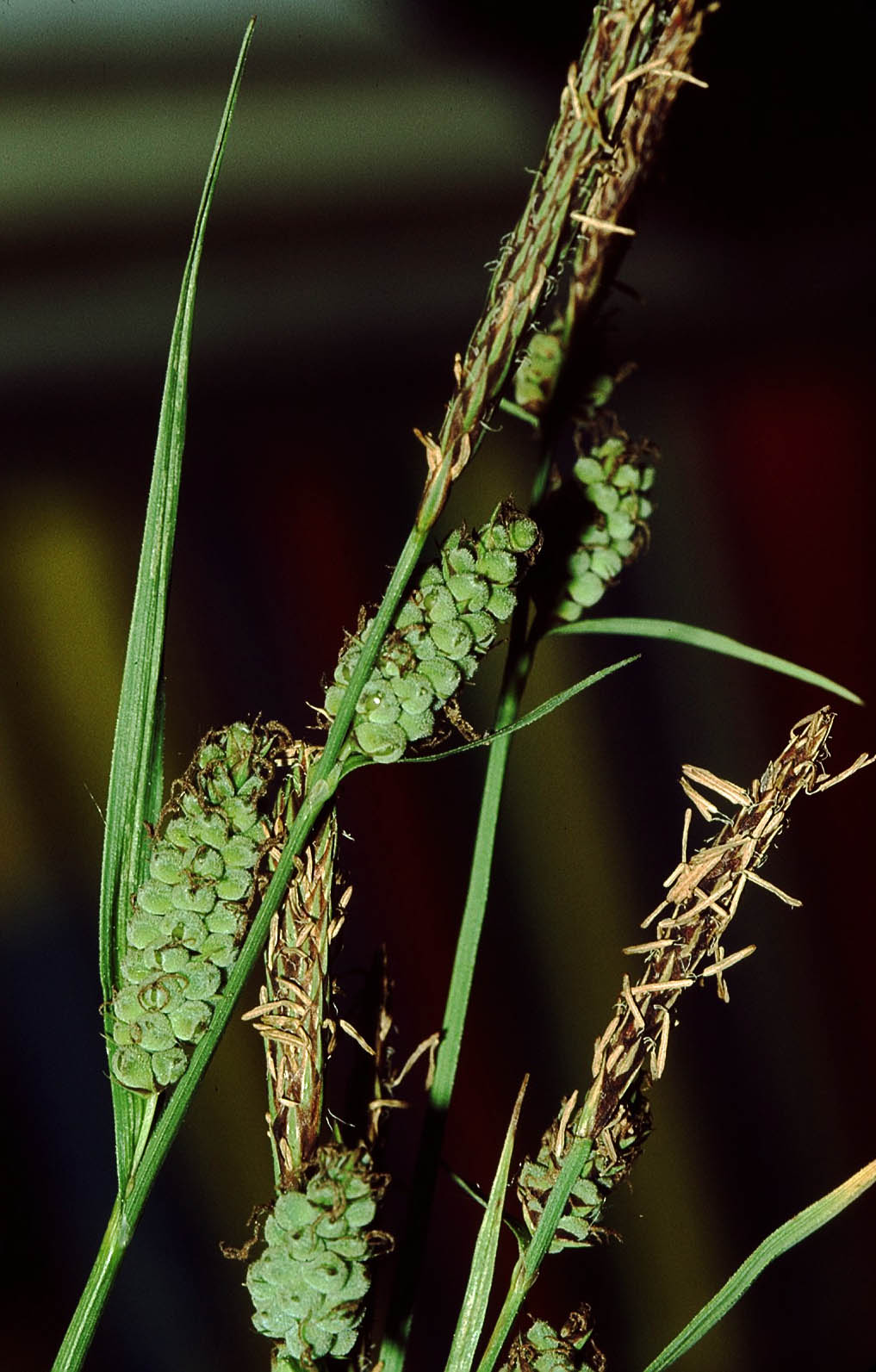
Carex filiformis (often treated as a synonym of C. lasiocarpa in North American taxonomy) is a rhizomatous perennial sedge in the Cyperaceae family, reaching 18-36 inches (45-90 cm) tall and spreading by slender, far-creeping rhizomes to form loose colonies of indefinite width. Stems are slender, triangular, smooth below and slightly rough above. Leaves are narrow, 1-2 mm wide, grey-green, involute (rolled inward), wiry, and often exceed the stems in length. The inflorescence consists of 2-4 terminal spikes: 1-2 slender male spikes 1-2 inches (2.5-5 cm) long at the top, and 1-2 female spikes below, 0.5-1.5 inches (1.5-4 cm) long, cylindrical, with densely packed utricles. Utricles are 3-4 mm long, ovoid, densely pubescent (hairy) — the downy fruit surface is a primary diagnostic character separating this species from related Carex taxa with glabrous utricles. The species is characteristic of fens, bogs, lake margins, and alkaline wetlands, where it often grows in shallow water or on floating mats of peat. In the Pacific Northwest, the closely related C. lasiocarpa is native in similar habitats. Plants tolerate calcareous and mildly acidic conditions but do not tolerate drought — permanent moisture or standing water is required.
Native Range
Carex filiformis is native across Europe, from the British Isles and Scandinavia south to central France and east through Russia to Siberia, where the species occurs in base-rich fens, transition mires, lake margins, and alkaline wetlands. The closely related C. lasiocarpa extends the range into North America.Suggested Uses
Planted in constructed wetlands, fen restoration, bog gardens, and pond margins where permanent moisture is available. The species stabilises the margins of ponds and slow-flowing streams. Used in ecological restoration of calcareous fen habitats. Not suited to garden borders or sites that dry out in summer.How to Identify
Appearance
Size & Dimensions
Height1'6" - 3'
Width/Spread1' - 3'
Bloom Information
Detailed Descriptions
Flower Description
Brown (male spikes), light brown utricles (female)Foliage Description
Grey-greenGrowing Conditions
Sun Requirements
Requires 4-10 hours of direct sunlight daily
• Full Sun: 6+ hours of direct sunlight
• Partial Shade: 3-6 hours of direct sunlight
• Full Shade: Less than 3 hours of direct sunlight
Care & Maintenance
Care Guide
Plants grow in full sun to partial shade in permanently wet to waterlogged, base-rich soil with a pH of 5.5-7.5. Plants are spaced 12-18 inches (30-45 cm) apart. The species tolerates standing water to 4 inches (10 cm) deep. In constructed wetlands, planting at the waterline or in shallow water matches the species' natural conditions. No fertilising is needed — the species is adapted to nutrient-poor fen conditions. The far-creeping rhizomes can colonise adjacent wet areas, so spread is monitored where containment matters.Pruning
Dead foliage is cut back in late winter before new growth begins. No other pruning is required. Colonies are thinned by removing sections of rhizome with a spade where spread exceeds the desired area.Pruning Schedule
Prune: February–March
early spring