Carex, Genus, elongata, Species,
- Genus & species
elongated sedge
Wet alder woodland, fen carr, stream margins, and base-rich wet meadows across Europe (British Isles, Scandinavia) eastward through Russia to western Siberia and the Caucasus, from sea level to approximately 3,300 feet (1,000 m); an indicator species for European Alnus glutinosa woodland on waterlogged soils.
Overview
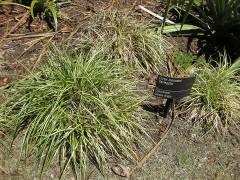
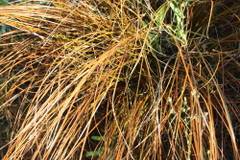
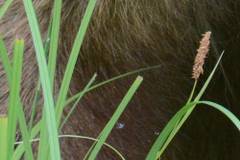
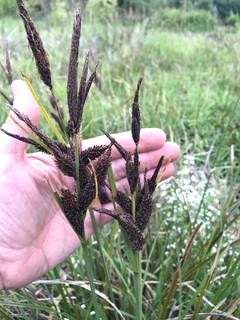
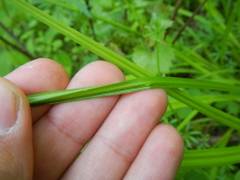
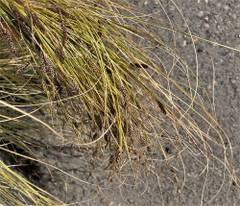
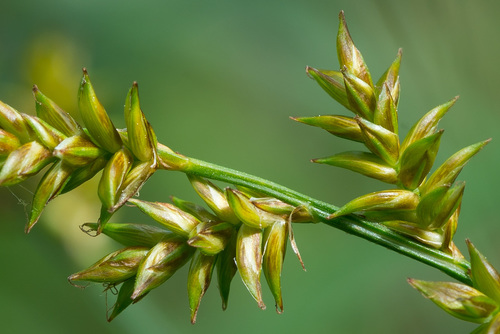
Carex elongata is a tufted deciduous perennial sedge in the sedge family (Cyperaceae) reaching 12-24 inches (30-60 cm) tall in dense tussocks 8-12 inches (20-30 cm) across without creeping rhizomes. Stems are triangular in cross-section (a key Carex character that separates the genus from grasses with round or flat stems and from rushes with round stems), sharply angled, and rough-textured near the top. Leaves are flat, grass-like, 2-4 mm wide, bright to mid-green, arching, and shorter than the flowering stems. The inflorescence is a narrow elongated cylindrical spike 1.5-3 inches (4-8 cm) long composed of 8-15 closely spaced sessile spikelets, with the elongated cylindrical inflorescence shape giving the species its epithet (elongata, Latin for lengthened). Spikelets ripen progressively from green through pale brown to golden-brown at maturity, and the dense spike pattern (with the spikelets pressed together along the central axis) separates this species from related Carex species where the spikelets are widely spaced along the inflorescence axis. The species occupies a specialized ecological niche in European wet woodlands, particularly under alder (Alnus glutinosa) on waterlogged base-rich peat or mineral soil, and is treated as an indicator species for alder carr habitat in European wetland classification systems. The wet-shade combination (consistent moisture, partial to full shade, base-rich peaty substrate, year-round water table near the surface) defines the species' habitat preference and shapes the cultivation requirements: the species does not tolerate prolonged drought and declines rapidly in drying soil. In the Pacific Northwest, the species is not native but is occasionally grown in rain gardens and wet woodland plantings for its tussock-forming habit and tolerance of wet shade, where it functions as a structural component in plantings beneath red alder (Alnus rubra), Pacific willow (Salix lasiandra), and other wetland tree species. The Cyperaceae sedges share with Juncaceae rushes the wet-habitat specialty and superficially resemble grasses (Poaceae) but separate from grasses by the triangular stems, three-ranked leaves, and the sedge inflorescence morphology of grouped spikelets with bractlike scales replacing the grass family's spikelet structure of a glume-and-lemma pair.
Native Range
Carex elongata is native across Europe, with a range from the British Isles and Scandinavia south through central Europe and east through Russia to western Siberia and the Caucasus. The species occurs in wet alder woodland, fen carr, stream margins, and base-rich wet meadows from sea level to approximately 3,300 feet (1,000 m). The European range includes a strong association with alder (Alnus glutinosa) wet woodland, where the tree's nitrogen-fixing nodules elevate soil fertility and the seasonally high water table creates the saturated organic-rich substrate that Carex elongata requires. The species is not native to North America but is occasionally grown in Pacific Northwest wet shade plantings.Suggested Uses
Used in wet woodland gardens, rain gardens, bog gardens, and along stream banks at 10-12 inch (25-30 cm) spacing, where the tussock-forming habit creates textural interest at water margins. Plantings beneath alders and willows in naturalistic wet-shade designs work well because the sedge's wet-shade tolerance matches the canopy preference of the moisture-loving trees, and the species tolerates seasonal flooding when rain garden water levels fluctuate through the year. Container culture in 3-gallon (11-liter) or larger pots with consistent moisture and partial shade also works for patio water gardens.How to Identify
Appearance
Size & Dimensions
Height1' - 2'
Width/Spread8" - 1'
Bloom Information
Flowering runs from May through June, with the elongated inflorescence emerging green and the anthers extending from the spikelets for wind pollination over a 2-3 week period in late spring. Spikelets ripen to pale golden-brown by July and August and persist through autumn into the dormant season. Utricles (the fruit-enclosing sacs typical of Carex inflorescences) are 3-4 mm long, ovoid, with a short beak, and the dispersal mechanism is by gravity and water flow in the species' wetland habitat.
Detailed Descriptions
Flower Description
Pale brown to golden-brown elongated cylindrical inflorescence 1.5-3 inches (4-8 cm) long composed of 8-15 closely spaced sessile spikelets that ripen progressively over the bloom windowFoliage Description
Bright to mid-green; flat grass-like leaves 2-4 mm wide arching outward from the dense tussock crown, shorter than the flowering stemsGrowing Conditions
Sun Requirements
Requires 2-5 hours of direct sunlight daily
• Full Sun: 6+ hours of direct sunlight
• Partial Shade: 3-6 hours of direct sunlight
• Full Shade: Less than 3 hours of direct sunlight
Care & Maintenance
Care Guide
Plant in partial to full shade in consistently moist to waterlogged humus-rich soil at pH 5.5-7.0, with spacing of 10-12 inches (25-30 cm) apart for a continuous wet-shade groundcover or 18-24 inches (45-60 cm) apart for individual tussocks. The species suits stream margins, bog gardens, rain garden overflow zones, and plantings beneath moisture-loving trees such as Alnus and Salix. Watering is consistent throughout the growing season because the root zone should not dry. Fertilization is unnecessary in organically rich soil, and the tussock habit develops fully within 2-3 years from a small plug, with the mature tussock holding its compact form indefinitely.Pruning
Cut back dead foliage to 2-3 inches (5-8 cm) above the tussock crown in late winter (February through March) before new growth emerges. Remaining dead leaves are combed out by hand. No other pruning is needed.Pruning Schedule
Prune: February–March
early spring
Container Growing
Suitable for container growing
Minimum container size: 3 gallons