Calamagrostis, Genus, ×, Hybrid, 'Cheju-Do', Cultivar,
- Genus
- Hybrid
- Cultivar
Cheju-do reed grass
Garden hybrid named for Jeju Island (Cheju-Do), Korea; parentage likely involves {Calamagrostis brachytricha}
Overview
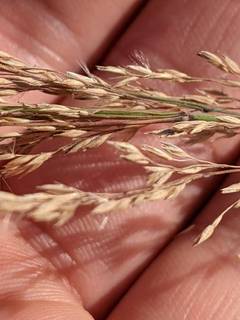
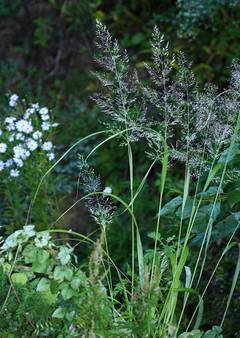
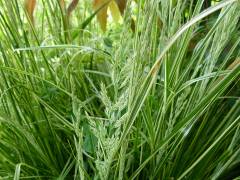
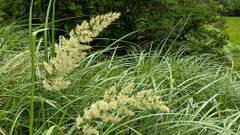
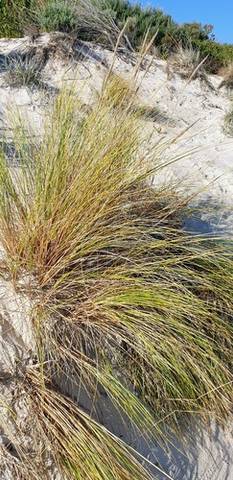
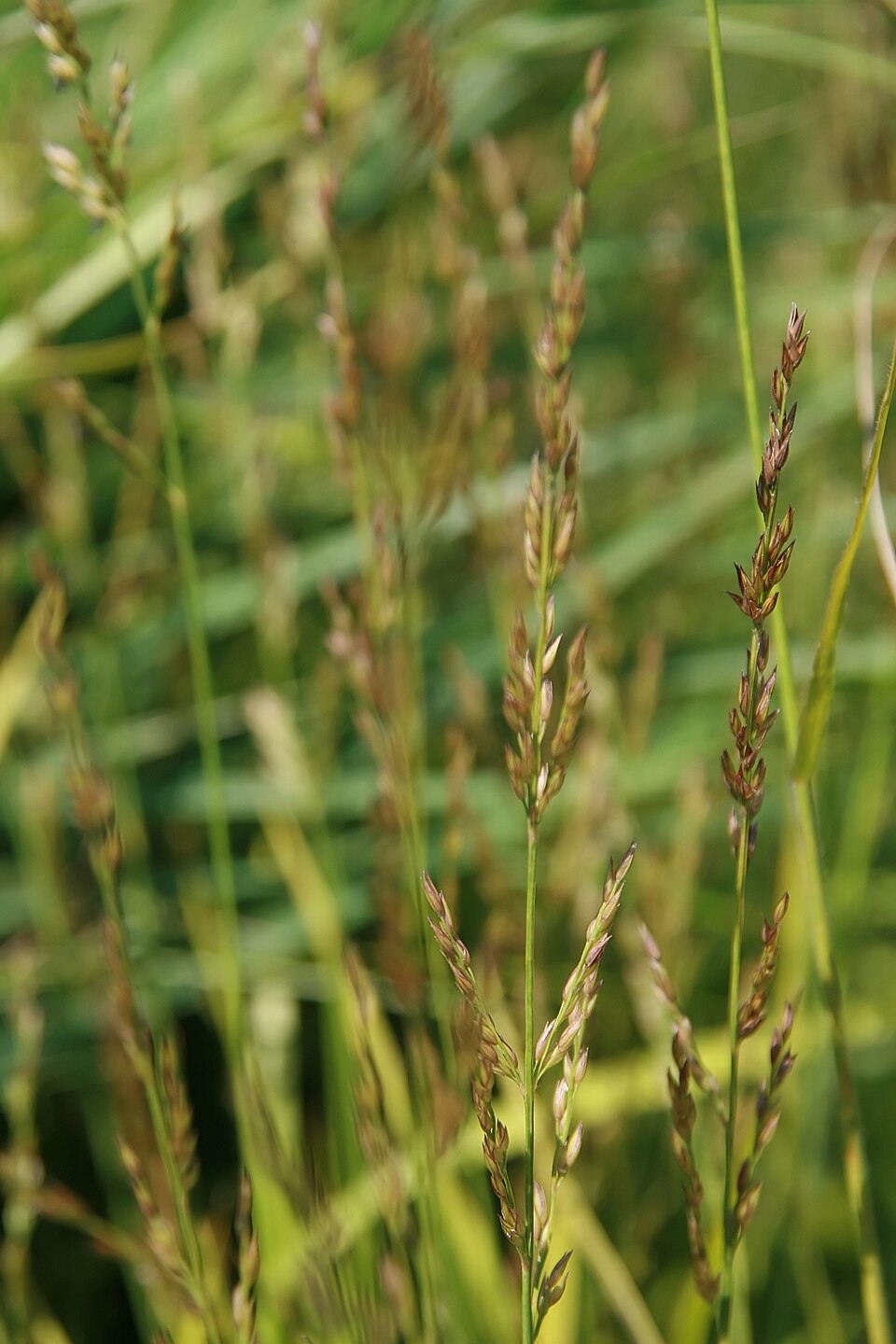
Calamagrostis × 'Cheju-Do' is a hybrid reed grass 24-36 inches (60-90 cm) tall and 18-24 inches (45-60 cm) wide, named for Jeju Island, formerly Cheju-Do, off southern Korea. Open, feathery panicles rise above narrow, arching green blades, opening pinkish-bronze in late August and aging to silver-tan through fall. Its mid-range size, smaller than C. brachytricha but larger than most Bouteloua, fills a scale gap in mixed grass plantings. The hybrid handles drought better than C. brachytricha, holding up on average garden soil without the steady moisture the Korean feather reed grass wants; in very dry ground, though, the leaf tips brown by late summer. It takes light shade but throws fewer, shorter plumes as light drops. Self-sowing is slight, since the hybrid sets little viable seed, and the clump widens slowly without running rhizomes. The plumes hold form through winter, catching frost and light snow, and the foliage turns gold to tan after frost. Hardy in zones 5-9.
Native Range
Calamagrostis × 'Cheju-Do' is a garden hybrid named for Jeju Island, Korea. Its parentage likely involves C. brachytricha and possibly other Asian reed grasses.Suggested Uses
Grown in mixed grass plantings, fall-interest borders, and naturalistic gardens, where the mid-range size bridges low gramas and tall miscanthus, and in containers of 5 gallons (19 L) or more. Groups of three to five give a fuller plume display. The slight self-sowing suits contained beds.How to Identify
Appearance
Size & Dimensions
Height2' - 3'
Width/Spread1'6" - 2'
Bloom Information
Detailed Descriptions
Flower Description
Pinkish-bronze, aging to silver-tan, in open feathery paniclesFoliage Description
Green, narrow, archingGrowing Conditions
Sun Requirements
Requires 5-10 hours of direct sunlight daily
• Full Sun: 6+ hours of direct sunlight
• Partial Shade: 3-6 hours of direct sunlight
• Full Shade: Less than 3 hours of direct sunlight
Care & Maintenance
Care Guide
Grow in full sun to light shade with at least 5 hours of direct light. Average, well-drained soil is enough, and the hybrid takes drought better than C. brachytricha. Water while establishing and through long dry spells. Feeding is not needed. The plumes can stand through winter for structure and cover. Cut the whole plant to 4-6 inches (10-15 cm) in late February or early March before new growth.Pruning
The plumes and foliage stand through winter. Cut the whole plant to 4-6 inches (10-15 cm) above the ground in late winter before spring growth starts. No other pruning is needed.Pruning Schedule
Prune: February–March
early spring
Container Growing
Suitable for container growing
Minimum container size: 5 gallons