Calamagrostis, Genus, brachytricha, Species,
- Genus & species
Korean feather reed grass
Native to eastern Asia (Korea, Japan, eastern China) in open woodlands, forest margins, and moist meadows at low to moderate elevations
Overview
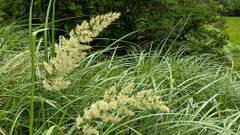
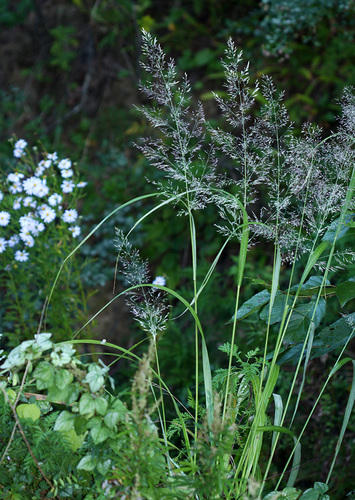
Calamagrostis brachytricha is a clump-forming ornamental grass in the Poaceae family reaching 36–48 inches (90–120 cm) tall and 24–30 inches (60–75 cm) wide. Unlike the widely-grown C. × acutiflora 'Karl Foerster' which blooms in early summer, this species flowers in September and October — filling a gap in the ornamental grass calendar between summer-blooming Calamagrostis and the late-fall Miscanthus and Pennisetum displays. Open feathery panicles emerge silvery-pink to pinkish-purple and age to silver-tan, catching light in the low-angle autumn sun. Dark green glossy arching leaf blades 0.5 inch (1.3 cm) wide create a fountain-like foliage mound beneath the flower stems. The species tolerates more shade than most ornamental grasses, performing in sites with as little as 4 hours of direct light where C. × acutiflora would become floppy and lean toward the light source. In deep shade, however, flowering is reduced and stems lean toward the available light. Self-sowing runs more frequent than in the sterile hybrid C. × acutiflora 'Karl Foerster'; seedlings appear in open moist ground near the parent plant and may need removal if spread is unwanted. The plumes hold their form through winter, collecting frost and snow on the standing stems. Clumps expand slowly and do not spread by rhizomes — the species runs strictly clump-forming rather than colony-forming. In dry soil, leaf tips brown by late summer. Not known to be toxic to pets or humans.
Native Range
Calamagrostis brachytricha is native to eastern Asia, occurring in Korea, Japan, and eastern China. The species grows in open woodlands, forest margins, and moist meadows at low to moderate elevations.Suggested Uses
Used in fall-interest borders, woodland edges, and shade garden compositions where the late bloom fills a gap after summer grasses finish their flowering display. Suits use as a specimen or in groups of 3–5 for a stronger autumn display. The shade tolerance suits sites where most ornamental grasses fail — the species is one of a small number of ornamental grass options for sites with 4–6 hours of direct light. Container culture works in pots of 7 gallons (26 liters) or more. The winter plume display adds structure to dormant gardens through January and February before late-winter cutback. The species is unsuitable for dry sites without supplemental irrigation; leaf tips brown by late summer in chronic dry soil and the autumn flower display is reduced.How to Identify
Appearance
Size & Dimensions
Height3' - 4'
Width/Spread2' - 2'6"
Bloom Information
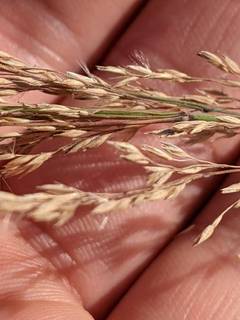
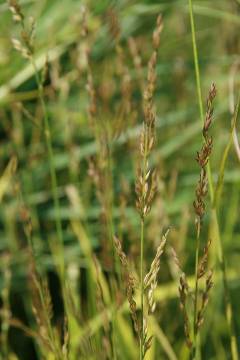
Flowering begins in late August to September and continues through October. Open feathery panicles emerge silvery-pink and transition to silver-tan over approximately 8 weeks. Plumes persist through winter, holding their form and catching frost, snow, and low-angle light across the dormant season. Plants are wind-pollinated; insect activity at the flowers runs minimal. The fall bloom timing makes the species a key transition plant between the summer-flowering grass display and the fall foliage color season.
Detailed Descriptions
Flower Description
Silvery-pink to pinkish-purple aging to silver-tan; open feathery paniclesFoliage Description
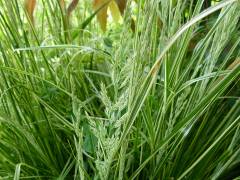
Dark green; glossy; arching 0.5 inch wide blades creating a fountain-like foliage moundGrowing Conditions
Sun Requirements
Requires 4-10 hours of direct sunlight daily
• Full Sun: 6+ hours of direct sunlight
• Partial Shade: 3-6 hours of direct sunlight
• Full Shade: Less than 3 hours of direct sunlight
Care & Maintenance
Care Guide
Plant in full sun to partial shade with 4–10 hours of light. Average to moist soil suits the species; clay is tolerated. Water regularly during the growing season; leaf tips brown in dry conditions. Remove unwanted self-sown seedlings in spring if spread is not desired. No fertilization is typically needed in reasonably fertile soil. Leave plumes standing through winter for visual interest and to give cover for ground-foraging birds. Cut all growth to 4–6 inches (10–15 cm) above ground in late February or early March before new growth begins.Pruning
Leave all plumes and foliage standing through winter for visual interest and ground-bird cover. Cut the entire plant to 4–6 inches (10–15 cm) above ground in late winter before new spring growth emerges. No other seasonal pruning is needed.Pruning Schedule
Prune: February–March
winter
Container Growing
Suitable for container growing
Minimum container size: 7 gallons