Buxus, Genus, sempervirens, Species, 'Green Mountain', Cultivar,
- Genus & species
- Cultivar
green mountain boxwood
Garden selection; species native to southern Europe, western Asia, and northern Africa
Overview
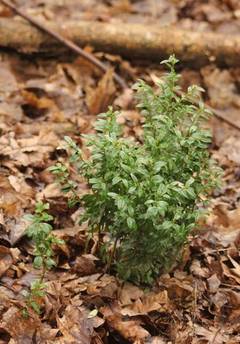
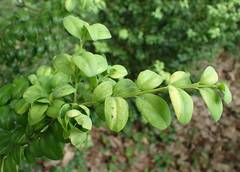
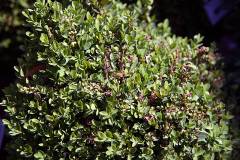
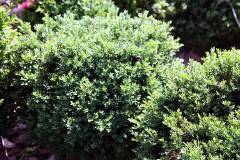
Buxus sempervirens 'Green Mountain' is a pyramidal boxwood, growing 36–60 inches (90–150 cm) tall and 24–36 inches (60–90 cm) wide. Dark green small glossy evergreen leaves 0.5–1 inch (12–25 mm). Naturally pyramidal (conical) form without shearing — the upright habit distinguishes it from rounded cultivars such as B. sempervirens 'Suffruticosa' and mounding types. Retains dark green foliage through winter with less bronzing than many B. sempervirens cultivars. The species name 'sempervirens' means 'always green.' Buxus has been a foundation plant of formal garden design for centuries — clipped hedges, topiaries, and parterres. Boxwood blight (Calonectria pseudonaviculata) is a fungal disease spreading through the nursery trade that causes rapid defoliation and death — buy from inspected sources, avoid overhead irrigation, and space plants for air circulation. Boxwood leafminer is the primary insect pest. Deer-resistant. Slow-growing — 2–4 inches (5–10 cm) per year. Toxic to dogs, cats, and horses (buxine alkaloids cause gastrointestinal symptoms). Zones 5–8. Full sun to partial shade. Well-draining soil. The dense evergreen form responds well to shearing for formal shapes.
Native Range
The species is native to southern Europe, western Asia, and northern Africa.Suggested Uses
Grown as a formal conical accent, sentinel, topiary cone, or hedge in zones 5–8, spaced 24–36 inches (60–90 cm) apart for hedging. Full sun to partial shade. The natural pyramidal form requires less shearing than rounded cultivars. Deer-resistant. Toxic to pets and livestock.How to Identify
Appearance
Size & Dimensions
Height3' - 5'
Width/Spread2' - 3'
Colors
Bloom Information
Inconspicuous yellow-green flowers in spring. The evergreen pyramidal form is the year-round feature. No ornamental fruit.
Detailed Descriptions
Foliage Description
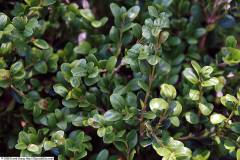
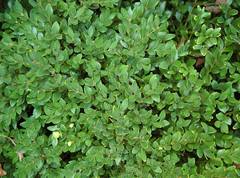
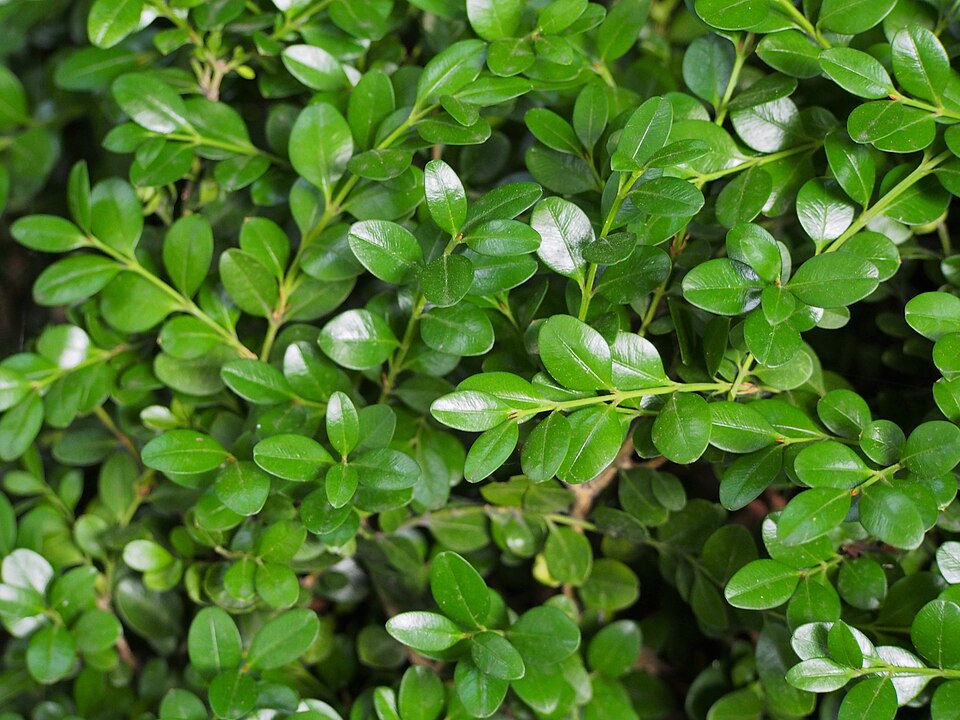
Dark green, small, glossy, evergreen — holds green color better in winter than many boxwoods (less bronzing)Growing Conditions
Sun Requirements
Requires 3-6 hours of direct sunlight daily
• Full Sun: 6+ hours of direct sunlight
• Partial Shade: 3-6 hours of direct sunlight
• Full Shade: Less than 3 hours of direct sunlight
Care & Maintenance
Care Guide
Full sun to partial shade. Well-draining soil. Slow-growing (2–4 inches / 5–10 cm per year). Monitor for boxwood blight and boxwood leafminer. Buy from inspected sources. Avoid overhead irrigation. Deer-resistant. Toxic (buxine alkaloids). Zones 5–8.Pruning
Shear for formal shape in late spring or early summer after the new growth flush hardens. The naturally pyramidal form requires less shearing than rounded cultivars. Avoid pruning in late summer or fall — new growth may not harden before winter.Pruning Schedule
Prune: June–July
summer
Container Growing
Suitable for container growing
Minimum container size: 10 gallons