Buxus, Genus, microphylla, Species, 'Green Gem', Cultivar,
- Genus & species
- Cultivar
green gem boxwood
Hybrid origin; B. microphylla parent native to East Asia; B. sempervirens parent native to southern Europe and western Asia
Overview
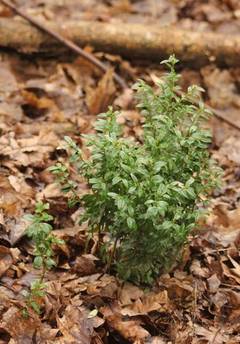
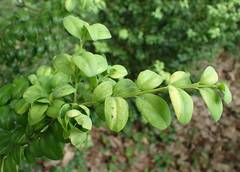
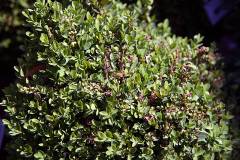
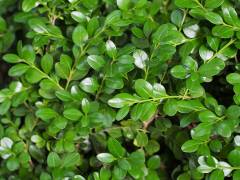
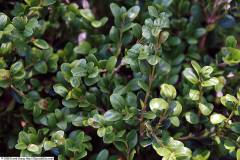
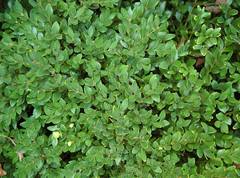
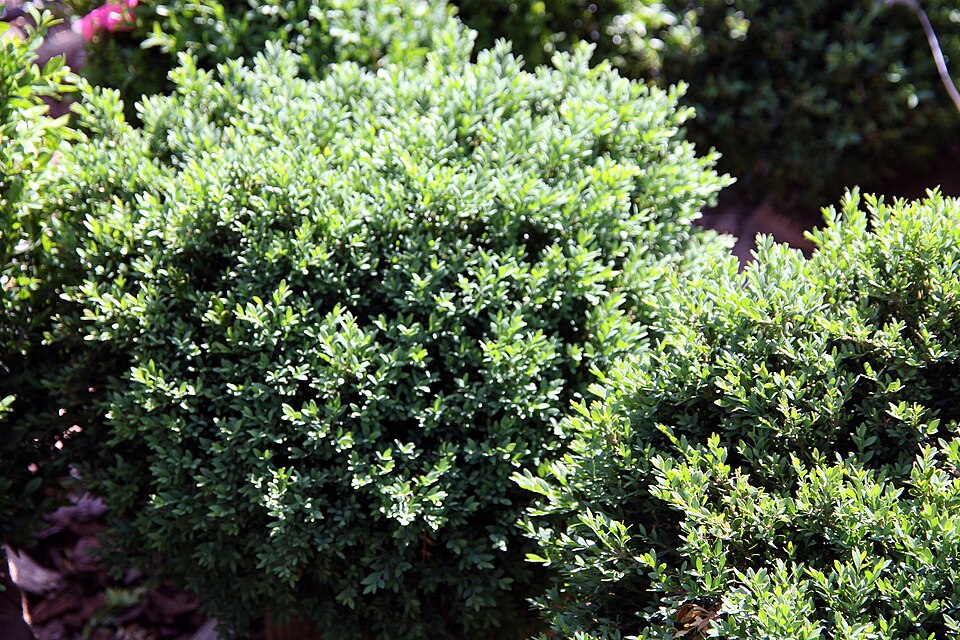
Buxus microphylla 'Green Gem' is a compact globular boxwood reaching 24-36 inches (60-90 cm) tall and wide at maturity, forming a naturally rounded mound without shearing. Bred at Sheridan Nurseries in Ontario, Canada, this hybrid combines B. microphylla (cold hardiness from East Asia) with B. sempervirens (winter color retention from southern Europe). Leaves are small, glossy, dark green, 0.5-0.75 inch (12-18 mm) long, and persist green through winter without the bronze-yellow discoloration common to many B. microphylla cultivars in cold climates. Compared to B. sempervirens 'Green Mountain' (pyramidal, 60-72 inches / 150-180 cm) and B. microphylla 'Winter Gem' (mounding, 24-48 inches / 60-120 cm, with winter bronzing), 'Green Gem' is shorter and retains green winter color. Inconspicuous yellow-green flowers appear in April-May. Growth rate is slow at 1-2 inches (2.5-5 cm) per year. Boxwood blight (Calonectria pseudonaviculata) is a lethal fungal disease causing rapid defoliation and black stem streaking; boxwood leafminer and boxwood mite are the primary insect issues. Deer browsing is rare due to alkaloid content. All parts contain steroidal alkaloids and are toxic to humans, dogs, cats, and horses if ingested. Hardy in USDA zones 5-8. The shallow root system requires consistent soil moisture and benefits from mulch.
Native Range
Hybrid origin from a controlled cross of B. microphylla (native to Japan, Korea, and Taiwan) and B. sempervirens (native to southern Europe, western Asia, and northern Africa). The cultivar was bred at Sheridan Nurseries in Ontario, Canada in the late 20th century.Suggested Uses
Used as low evergreen edging, formal hedging at 24-30 inch (60-75 cm) spacing, or as a specimen in foundation plantings in zones 5-8. Suited to containers of 5+ gallons (19+ liters) with adequate drainage. Slow growth and small mature size mean it is selected for situations where a 2-3 foot (60-90 cm) finished plant is wanted; faster, larger boxwoods are chosen for taller hedge use.How to Identify
Appearance
Size & Dimensions
Height2' - 3'
Width/Spread2' - 3'
Bloom Information
Inconspicuous yellow-green flowers cluster at leaf axils in April-May and last 1-2 weeks. Flowers are 2-3 mm across and mildly fragrant in still air, attracting small bees and flies. The dark green evergreen foliage persists through winter without dropping.
Detailed Descriptions
Flower Description
Yellow-green, inconspicuousFoliage Description
Dark green, small, glossyGrowing Conditions
Sun Requirements
Requires 4-8 hours of direct sunlight daily
• Full Sun: 6+ hours of direct sunlight
• Partial Shade: 3-6 hours of direct sunlight
• Full Shade: Less than 3 hours of direct sunlight
Care & Maintenance
Care Guide
Grows in full sun to partial shade in well-drained soil with pH 6.5-7.5. A 2-3 inch (5-7 cm) mulch layer over the shallow root system conserves moisture and moderates soil temperature. Established plants tolerate brief dry periods after two growing seasons of regular watering, but suffer in extended drought. Boxwood blight (Calonectria pseudonaviculata) causes rapid leaf drop and black streaking on stems; affected plants are typically removed and destroyed because no chemical cure exists. Boxwood leafminer (Monarthropalpus flavus) creates yellow blisters on leaves in April-June, and boxwood mite damage shows as light yellow stippling in summer. Hardy in USDA zones 5-8.Pruning
The naturally globe-shaped habit requires no shearing for form. Light corrective shaping in late spring or early summer (after new growth hardens) is sufficient if pruning is desired. Pruning in late summer or fall stimulates new growth that fails to harden before winter cold. Regular shearing for hedge use produces a denser surface but exposes the interior to dieback if foliage is removed below the green leaf zone.Pruning Schedule
Prune: May–June
late springsummer
Container Growing
Suitable for container growing
Minimum container size: 5 gallons