Buxus, Genus, sempervirens, Species, 'Aureovariegata', Cultivar,
- Genus & species
- Cultivar
golden variegated boxwood
Species native to southern Europe, northern Africa, western Asia
Overview
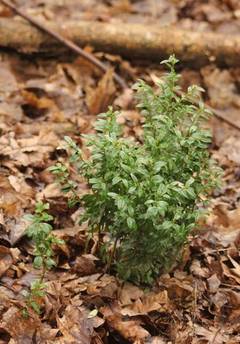
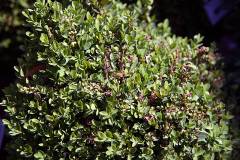
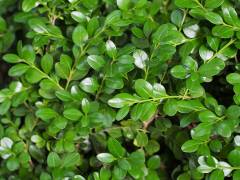
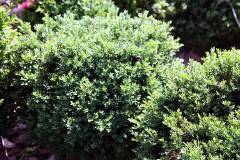
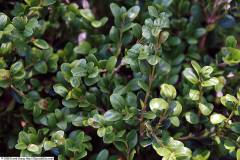
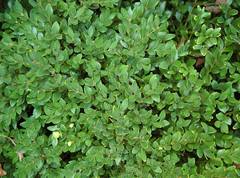
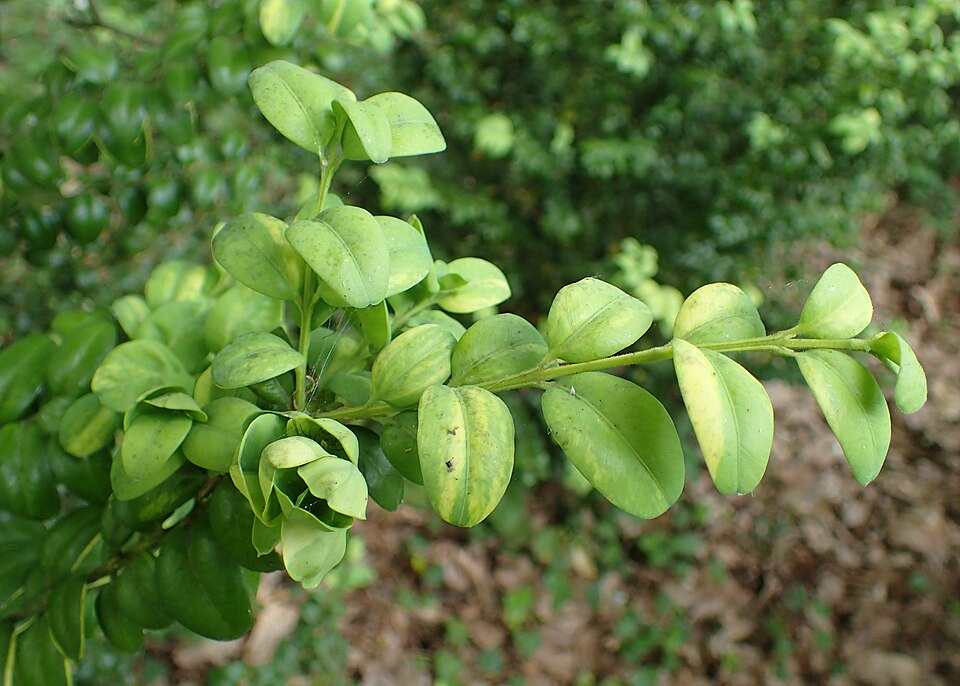
Buxus sempervirens 'Aureovariegata' is a dense, rounded evergreen shrub reaching 5–8 feet (1.5–2.4 m) tall with a spread of 4–6 feet (1.2–1.8 m) if left unpruned. The primary feature is the variegated foliage: small, ovate to oblong leaves 0.5–1 inch (1.3–2.5 cm) long are dark green with irregular splashes, streaks, and margins of creamy-yellow to gold. The variegation pattern is variable; some leaves are mostly gold, others mostly green, and some are evenly mottled. New spring growth is the most vividly colored, with the gold portions most intense. Leaves are leathery, glossy, and opposite on the stems. Small, inconspicuous, pale greenish-yellow flowers appear in clusters in the leaf axils in April. The plant has the characteristic pungent boxwood scent, most noticeable in warm weather and when foliage is crushed. Growth rate is slow to moderate at 3–6 inches (8–15 cm) per year, slightly slower than the green-leaved species type due to reduced chlorophyll. The variegated foliage is more prone to winter bronzing in exposed or cold sites than the species type. Boxwood blight (Calonectria pseudonaviculata) is a serious disease threat; boxwood leafminer and boxwood psyllid are common pests.
Native Range
The species Buxus sempervirens is native to southern Europe, northern Africa, and western Asia, from the British Isles and France south to Morocco and east through Turkey to the Caucasus. It occurs in limestone woodlands, rocky slopes, and forest understories. The cultivar 'Aureovariegata' has been grown in European gardens since at least the 18th century.Suggested Uses
Planted in formal hedging, border edging, foundation plantings, and containers at 2–3 foot (0.6–0.9 m) spacing for hedges. The gold variegation adds brightness to shade gardens and formal patterns. Functions as a clipped specimen, topiary subject, or accent in mixed borders. Grows in containers of at least 5 gallons (19 L). Site with good air circulation to reduce boxwood blight risk.How to Identify
Appearance
Size & Dimensions
Height5' - 8'
Width/Spread4' - 6'
Bloom Information
Small, inconspicuous, pale greenish-yellow flowers appear in dense clusters in the leaf axils in April. Individual flowers lack petals and are 0.1–0.2 inch (3–5 mm) across. The flowers produce a faint honey-like scent. No ornamental fruit.
Detailed Descriptions
Foliage Description
Dark green with irregular creamy-yellow to gold variegationGrowing Conditions
Sun Requirements
Requires 3-8 hours of direct sunlight daily
• Full Sun: 6+ hours of direct sunlight
• Partial Shade: 3-6 hours of direct sunlight
• Full Shade: Less than 3 hours of direct sunlight
Care & Maintenance
Care Guide
Plant in well-drained, moist soil in partial shade to full sun. The gold variegation is brightest in morning sun with afternoon shade; full midday sun in hot climates may scorch the yellow portions. Tolerates a wide range of soil types including alkaline and clay soils. Consistent moisture during establishment promotes dense growth. Mulch the root zone to maintain even soil moisture. Boxwood blight (Calonectria pseudonaviculata) is a serious fungal disease; avoid overhead irrigation and maintain good air circulation. Boxwood leafminer and boxwood psyllid cause leaf distortion; monitor in spring. Winter bronzing of the variegated portions may occur in exposed or windy sites.Pruning
Responds well to shearing and topiary work. Shear formal hedges 2–3 times per season from late spring through midsummer. Avoid pruning after August in cold climates, as late pruning stimulates tender growth susceptible to winter damage. For informal shapes, selective hand-pruning preserves the natural rounded form. Thin interior branches periodically to improve air circulation and reduce disease pressure.Pruning Schedule
Prune: May–July
late springsummer
Container Growing
Suitable for container growing
Minimum container size: 5 gallons