Image 1 of 3
1 / 3
Plant Reference
Brassica, Genus, napus, Species, 'Dwarf Essex', Cultivar,
- Genus & species
- Cultivar
Dwarf Essex rape (turnip greens)
Mediterranean (natural hybrid B. oleracea × B. rapa; Dwarf Essex traditional European; dual edible/cover crop; biofumigant; cold-tolerant 20°F)
Overview
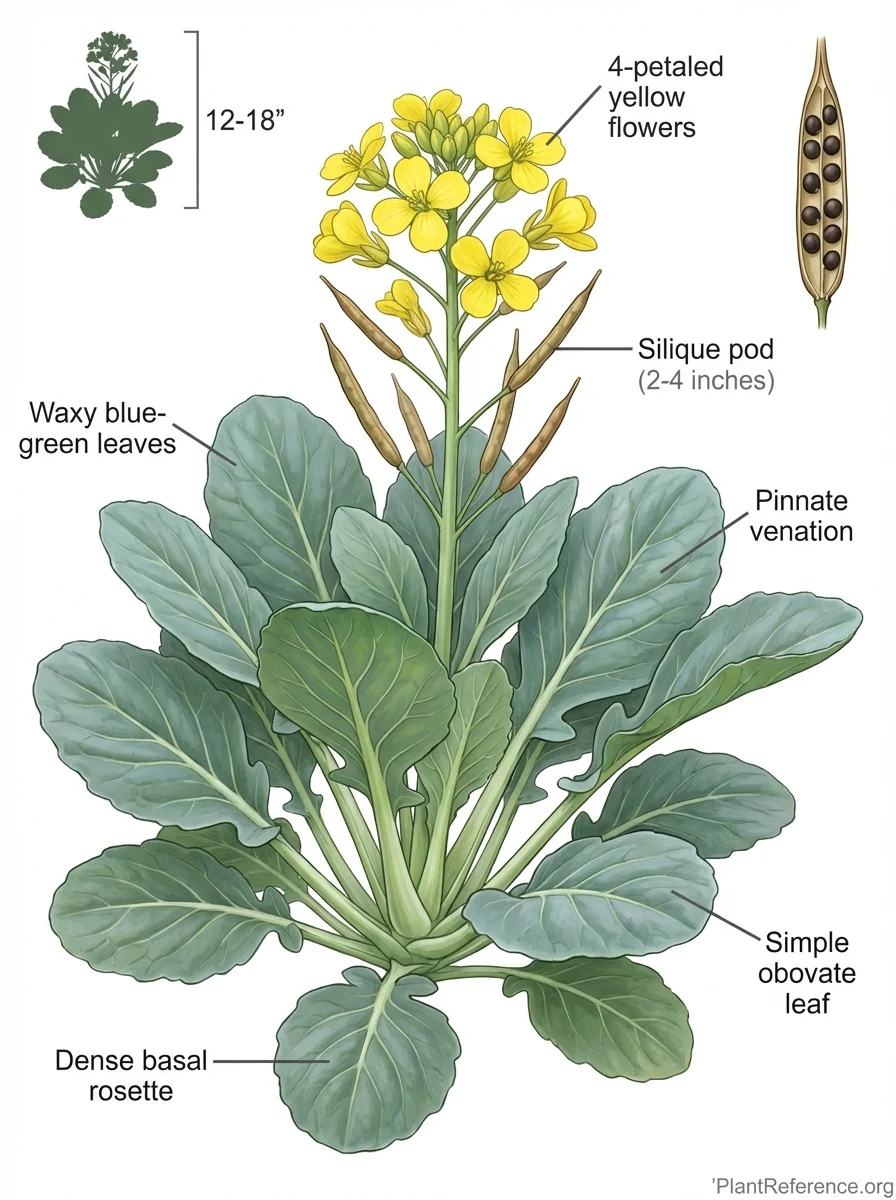
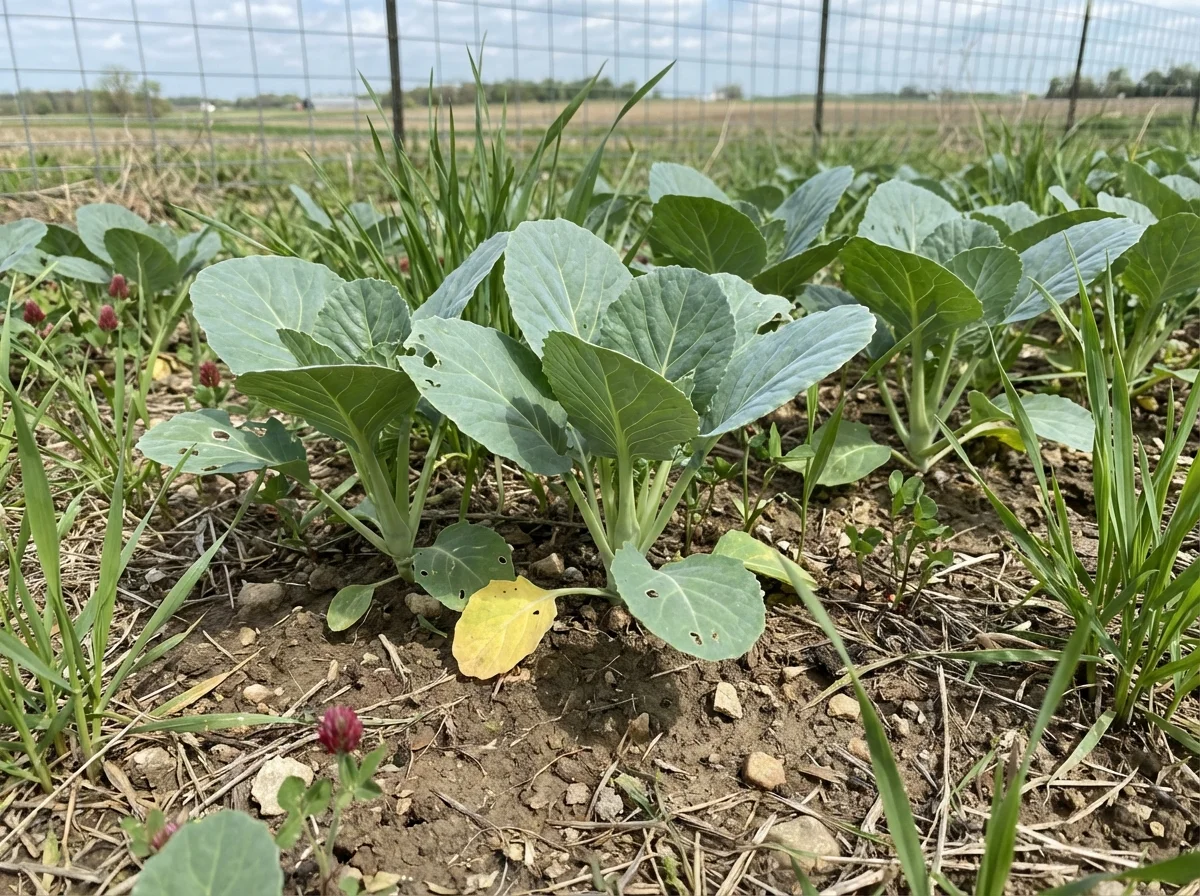
Brassica napus 'Dwarf Essex' is an annual (or biennial in mild climates) leafy green and cover crop reaching 24-36 inches (60-90 cm) tall with a spread of 12-18 inches (30-45 cm) and an upright, bushy, rosette-forming habit. A rapeseed cultivar widely used as both a cool-season forage crop and an edible green, it produces smooth, blue-green, waxy leaves 8-12 inches (20-30 cm) long resembling a cross between kale and turnip greens. Mild, cabbage-like flavor when young. Days to maturity 45-60 from direct sow for greens harvest. Growth rate is fast. Cold-tolerant to 20°F (-7°C). Also widely used as a fall/winter cover crop—deep taproot breaks compacted soil, and decomposing foliage suppresses soil-borne pathogens (biofumigation).
Native Range
Brassica napus originated as a natural hybrid between B. oleracea and B. rapa in the Mediterranean region. 'Dwarf Essex' is a traditional European cultivar.Suggested Uses
Grown as a dual-purpose cover crop and edible green. Greens: salads (baby), cooking, stir-fry—mild cabbage flavor. Cover crop: fall-planted, deep taproot breaks compaction, biofumigant properties suppress soil pathogens. Cold-tolerant to 20°F. Fast 45-60 days for greens. Winter-kills in cold zones. Not suitable as a standalone crop where only greens or only cover crop function is needed—other Brassica species may be more specialized.How to Identify
Appearance
Size & Dimensions
Height2' - 3'
Width/Spread1' - 1'6"
Bloom Information
Four-petaled bright yellow flowers on stalks 3-4 feet (0.9-1.2 m) in spring of the second year or when vernalized. Flowers attract pollinators. For greens, harvest before bolting.
Detailed Descriptions
Flower Description
Bright yellow; four-petaled; spring if overwintered; pollinator-attractingFoliage Description
Blue-green; smooth waxy; 8-12 inches; resembling kale-turnip crossGrowing Conditions
Sun Requirements
Requires 4-10 hours of direct sunlight daily
• Full Sun: 6+ hours of direct sunlight
• Partial Shade: 3-6 hours of direct sunlight
• Full Shade: Less than 3 hours of direct sunlight
Care & Maintenance
Care Guide
Direct sow in late summer through early fall for cover crop use, or in early spring/fall for greens. Broadcast or drill seed. Any reasonable soil (pH 5.5-7.5). Cold-tolerant to 20°F (-7°C). Fast growing—produces substantial biomass in 6-8 weeks. Days to maturity 45-60 for greens. Winter-kills in zones 5 and colder, providing natural mulch. In mild climates, incorporate before bolting in spring.Pruning
For greens: harvest outer leaves for cut-and-come-again. For cover crop: mow or incorporate into soil before flowering. No other pruning.Toxicity
Non-toxicPlanting Guide
Planting Methods & Timing
Planting Method
direct sow
Direct Sow Timing
Late summer-early fall for cover crop; early spring or fall for greens
Days to Maturity
45–60 days
Plant Spacing
6 inches
Companion Planting
Avoid Planting With
Botanical Flashcard