Image 1 of 3
1 / 3
Plant Reference
Brassica, Genus, juncea, Species, 'Osaka Purple', Cultivar,
- Genus & species
- Cultivar
Osaka purple mustard greens
Central Asia / Himalayan (B. juncea origin; Osaka Purple from Osaka Japan; smooth round purple leaves; cool-season; baby greens 21 days)
Overview
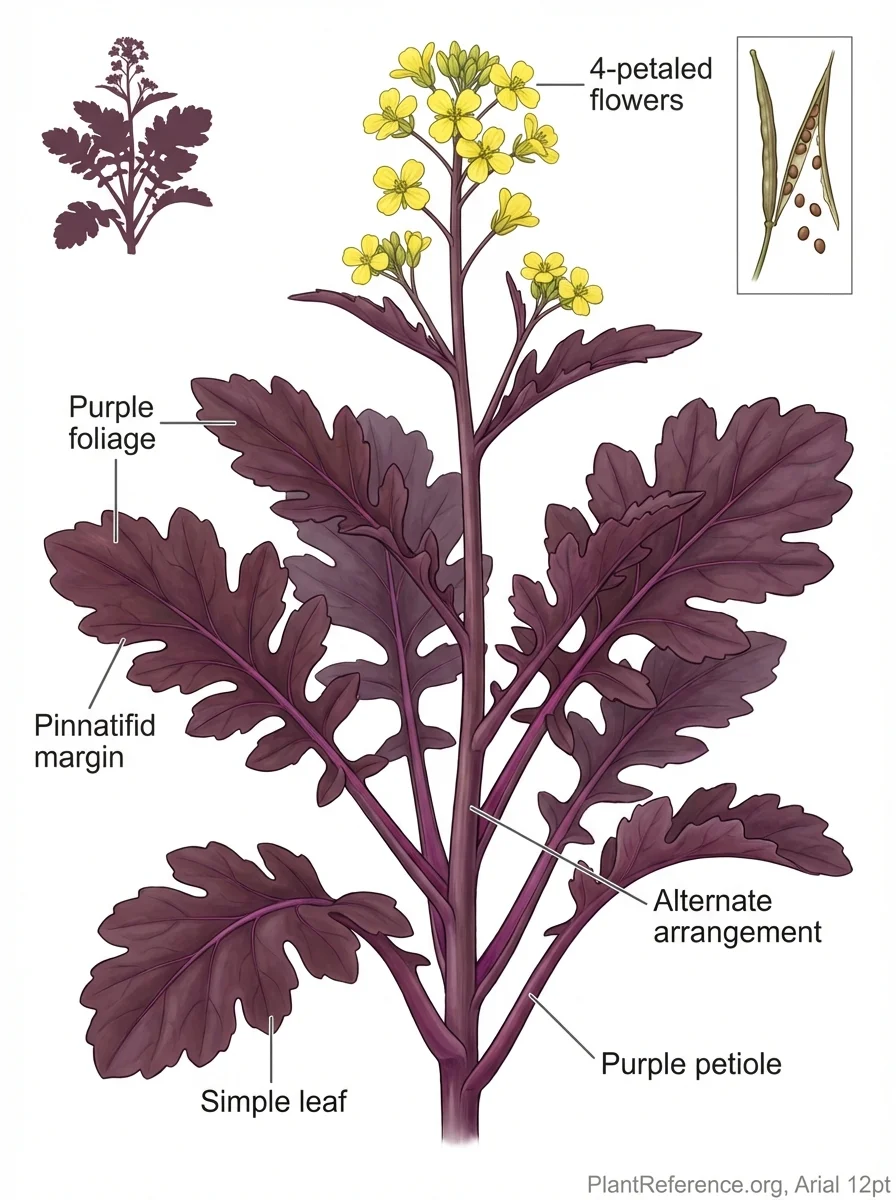
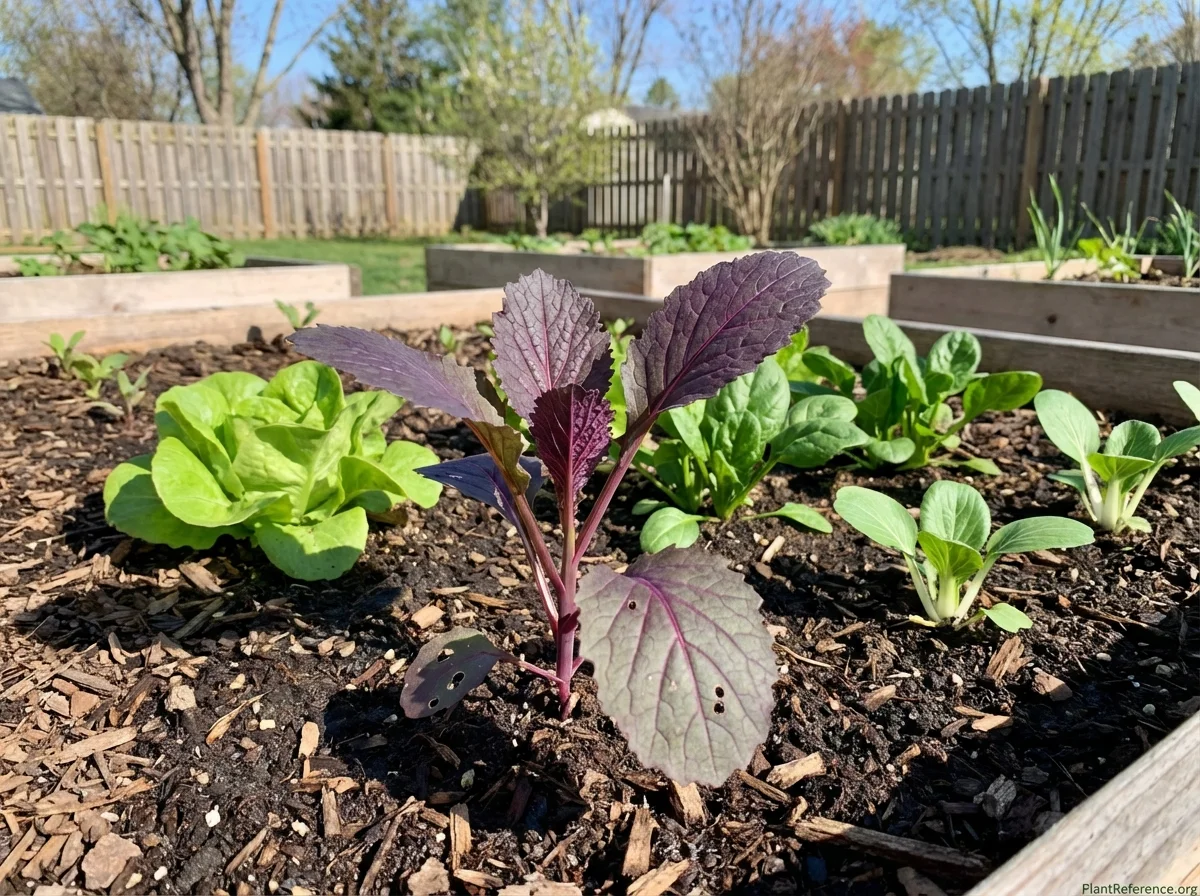
Brassica juncea 'Osaka Purple' is an annual leafy green reaching 12-18 inches (30-45 cm) tall with a spread of 12-15 inches (30-38 cm) and an upright, rosette-forming habit. A Japanese mustard green cultivar from the Osaka region, it produces large, round to spoon-shaped leaves 6-10 inches (15-25 cm) long with smooth margins (not frilled)—green with deep purple-red coloring that intensifies in cool weather. The smooth, broad leaves distinguish it from the frilly-leaved 'Red Giant'. Mild mustard flavor when young, becoming more pungent at maturity. Days to maturity 40-50 from direct sow (baby greens in 21 days). Growth rate is fast. Cool-season crop—bolts quickly in heat above 75°F (24°C).
Native Range
Brassica juncea is native to Central Asia and the Himalayan region. 'Osaka Purple' is a Japanese cultivar from the Osaka region.Suggested Uses
Grown in vegetable gardens for culinary use—salads (baby), stir-fry, braising, pickling. Smooth round purple leaves. Mild when young. Japanese Osaka. Baby greens at 21 days. Cool-season—spring and fall. Purple color intensifies in cold. Bolts in heat. Not suitable for summer growing or where sustained heat exceeds 75°F.How to Identify
Appearance
Size & Dimensions
Height1' - 1'6"
Width/Spread1' - 1'3"
Bloom Information
Four-petaled yellow flowers on stalks 2-3 feet (60-90 cm) when bolting in heat. Bolting makes leaves bitter and tough. Harvest before any flower stalk. Cool-season only.
Detailed Descriptions
Flower Description
Yellow; four-petaled; bolting onlyFoliage Description
Deep purple-red over green; smooth round spoon-shaped 6-10 inches; intensifies in cool weatherGrowing Conditions
Sun Requirements
Requires 4-8 hours of direct sunlight daily
• Full Sun: 6+ hours of direct sunlight
• Partial Shade: 3-6 hours of direct sunlight
• Full Shade: Less than 3 hours of direct sunlight
Care & Maintenance
Care Guide
Direct sow in early spring 4-6 weeks before last frost, or in late summer for fall harvest. Moist, fertile soil (pH 6.0-7.0). Cool weather intensifies purple color. Succession sow every 2-3 weeks. Days to maturity 40-50 from direct sow; baby greens at 21 days. Bolts quickly above 75°F (24°C). Row cover extends season.Pruning
Harvest outer leaves for cut-and-come-again, or cut entire rosette at base. No pruning needed.Container Growing
Suitable for container growing
Minimum container size: 3 gallons
Toxicity
Non-toxicBotanical Flashcard