Boronia, Genus, megastigma, Species,
- Genus & species
Brown boronia
Overview
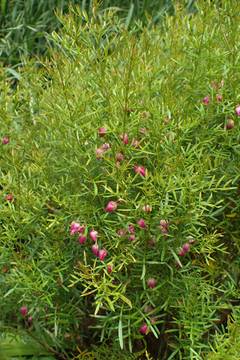
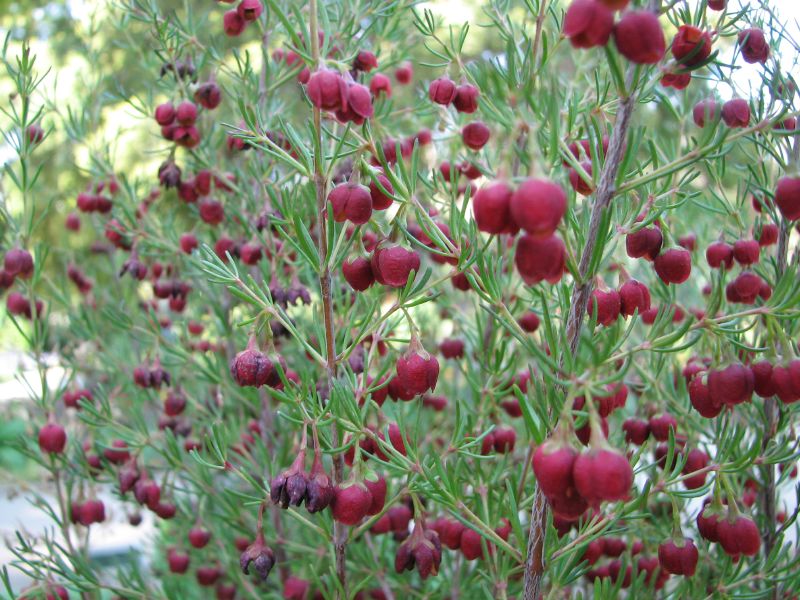
Boronia megastigma is an evergreen shrub 2-5 feet (60-150 cm) tall and 1.5-3 feet (45-90 cm) wide, built from slender wiry upright stems that branch sparingly. Leaves are opposite and pinnate, 0.4-1 inch (10-25 mm) long, divided into three to five narrow linear leaflets, bright green and dotted with oil glands that scent the foliage when brushed. Flowers hang singly from the leaf axils along the upper stems, cup-shaped and 0.3-0.5 inch (8-12 mm) across, with four petals that are chocolate-brown to purple-brown outside and yellow-green within. The scent carries 15-30 feet (4.5-9 m) on still warm air, and the flowers are harvested commercially for boronia absolute used in perfumery. Flowering runs six to eight weeks in late winter and spring. The species is short-lived in gardens at 3-5 years, and dies suddenly from either a single episode of root drying or from waterlogging, leaving a narrow band of conditions it will hold in. Roots sit shallow and heat quickly in exposed soil. Hardy in USDA zones 9-10.
Native Range
Boronia megastigma is endemic to southwestern Western Australia, from near Perth south to Albany and east along the south coast. It grows on winter-wet flats, along stream margins, and in swampy depressions within jarrah and karri forest, in peaty sand that stays damp through winter and dries only slightly in summer. Wild plants stand in the light shade of taller shrubs and trees rather than in open sun.Suggested Uses
Grown in containers beside paths, doorways, and in courtyards where the scent is met at close range, and planted in the light shade of taller shrubs in acidic garden soil in zones 9-10. Cut stems 12-18 inches (30-45 cm) long scent a room for four to six days in water. The species is also farmed in Tasmania and Western Australia for extraction of its flower oil.How to Identify
Appearance
Size & Dimensions
Height2' - 5'
Width/Spread1'6" - 3'
Bloom Information
Flowering runs six to eight weeks, between July and October in the southern hemisphere and between January and April in northern hemisphere plantings. Buds form on the previous season growth from midsummer, so cutting the plant back in autumn or winter removes the coming bloom. Scent output peaks in the middle of warm still days and falls away sharply in cold or windy weather. Native bees and hoverflies enter the pendent cups from below.
Detailed Descriptions
Flower Description
Chocolate-brown to purple-brown outside, yellow-green insideFoliage Description
Bright green, narrow pinnate leaflets dotted with oil glandsGrowing Conditions
Sun Requirements
Requires 3-6 hours of direct sunlight daily
• Full Sun: 6+ hours of direct sunlight
• Partial Shade: 3-6 hours of direct sunlight
• Full Shade: Less than 3 hours of direct sunlight
Care & Maintenance
Care Guide
Light shade or morning sun of three to six hours matches the understorey conditions of wild plants, while full afternoon sun in a hot climate overheats the shallow roots. The species grows in acidic, peaty, sandy soil at pH 5.0-6.5 that holds moisture without turning waterlogged, and that narrow condition governs whether the plant survives. Soil moisture is held even year-round, since a single drying out kills the plant outright and standing water brings root rot within weeks. A 2-3 inch (5-8 cm) mulch of coarse bark or leaf litter holds the root zone cool and damp through summer. Phosphorus above about 3 percent damages the roots, so a low-phosphorus native fertiliser at quarter strength once in spring is what the species takes. Container culture in a pot of 3 gallons (11 L) or larger with a peat-and-sand mix gives closer control of moisture than open ground in most gardens.Pruning
The plant is cut back by one-third immediately after flowering, the single operation that extends its life, as uncut plants go woody and die within two or three years. Cuts stay within growth that still carries leaves, since the species does not reshoot from bare stems. Light tip cutting in late summer shapes new growth without taking off the flower buds already forming. Dead stems are removed at the base at any time of year.Pruning Schedule
Prune: April–May
late spring
Container Growing
Suitable for container growing
Minimum container size: 3 gallons